Opulence has become one of the most frequently overused terms in contemporary style.
Today, almost every brand claims exclusivity. Collections are described as “limited,” craftsmanship is promised in every campaign, and premium pricing is often mistaken for genuine luxury. Yet many of these same products are quietly reproduced, manufactured on enormous scales, or designed to be replaced by the next season’s trend before they have even begun their story.
Somewhere along the way, luxury stopped meaning permanence.
It became convenience.
JEEYODEE was founded to challenge that.
Not by following the luxury industry.
By returning to the principles that made luxury meaningful in the first place.
Every garment we create is built upon a simple belief:
Luxury should be earned through craftsmanship, conviction, and permanence—not marketing.
If a piece deserves to carry the JEEYODEE name, it must justify its existence through every decision that created it.
Discover the philosophy behind the house in Story:
https://jeeyodee.store/story JEEYODEE was created as a response to that shift**.**
Every garment is designed once, produced in strictly limited quantities, individually numbered, and never reproduced. This is not a marketing strategy—it is a promise. Each piece exists as part of a moment in the brand’s history that can never be recreated.
Did You Know?
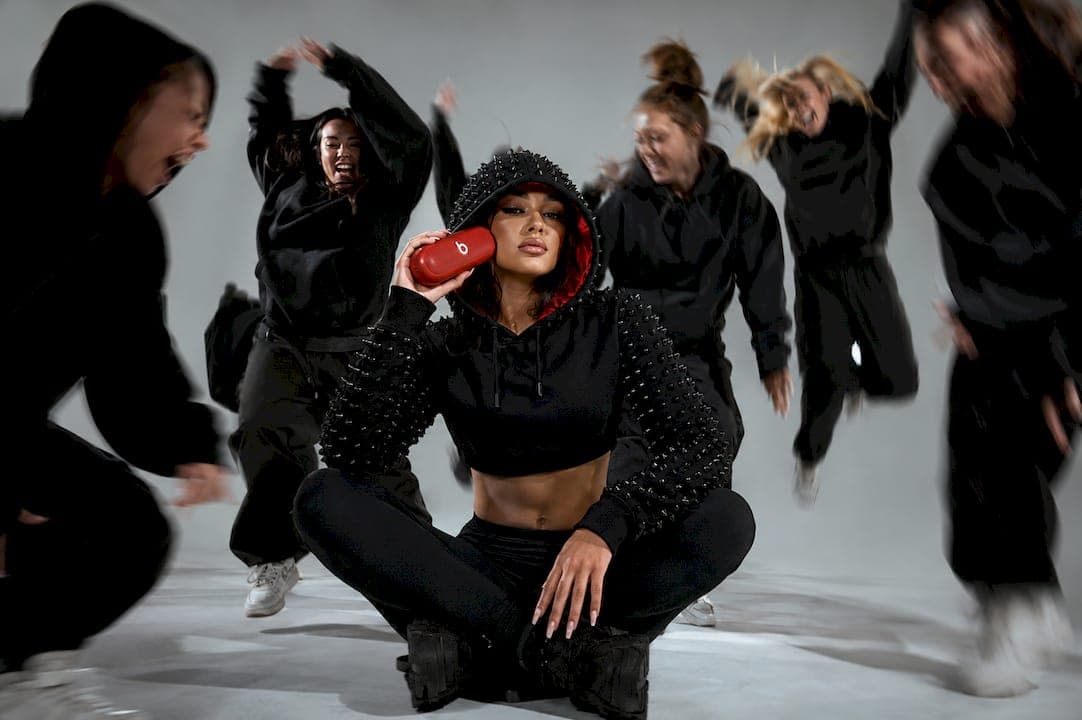
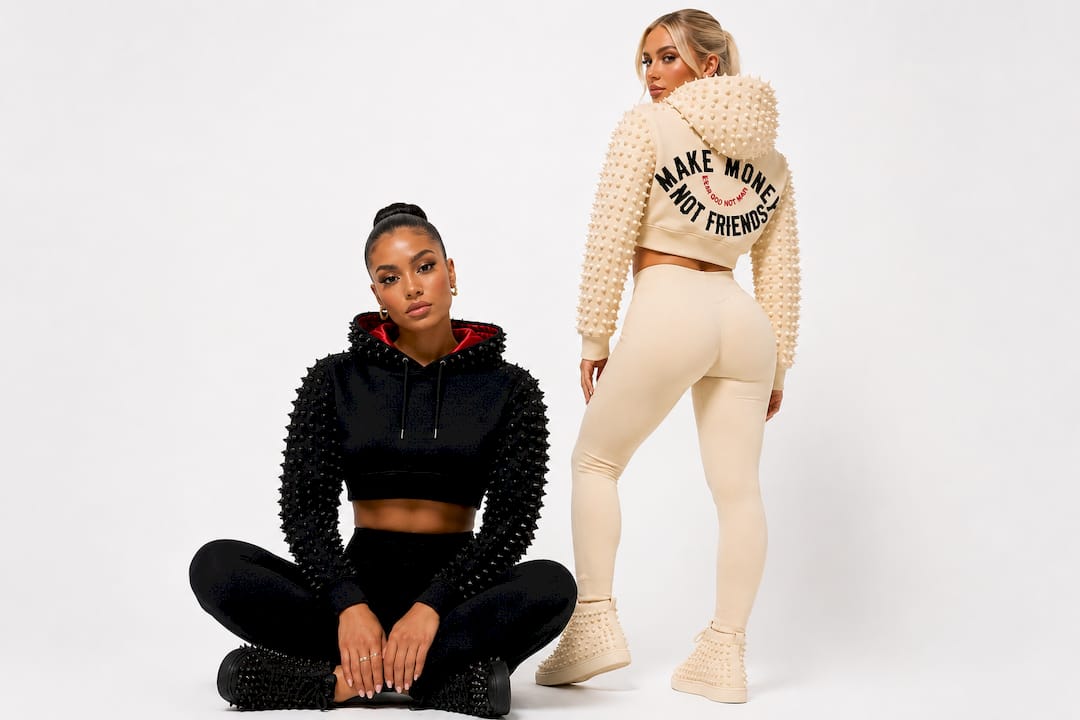
The THORNS are intentionally placed only on the hood, shoulders, and sleeves—the areas others instinctively reach when they embrace, guide, restrain, or influence you. The torso is deliberately left untouched, symbolising that your identity should never be hidden, only protected. Every THORNS garment is a reminder to guard your peace, your purpose, and your self-worth.
Luxury Is Not A Price Tag
Price has never defined luxury.
Anyone can increase a retail price.
Very few are willing to increase the standards required before a product is allowed to exist.
Luxury begins long before a garment reaches a customer.
It begins with the courage to reject shortcuts.
Choosing fewer suppliers.
Rejecting faster production.
Refusing compromises that nobody else would notice.
Accepting that perfection often costs more time than profit.
JEEYODEE was never designed to become another fast-moving fashion label.
It was built to become a private luxury house where every collection represents a permanent chapter in its history.
That philosophy extends beyond aesthetics.
It influences every stitch, every material, every silhouette, and every decision made throughout production.
Why Italy Was Never Negotiable
There are exceptional craftspeople throughout the world.
But when creating JEEYODEE’s first collection, one principle remained non-negotiable:
The garments had to be made in Italy.
Not because “Made in Italy” has become a luxury cliché.
Because generations of Italian artisans continue to preserve techniques that reward patience over speed and mastery over volume.
Finding the right manufacturing partner was never about finding the quickest solution.
It was about finding craftspeople who understood why every millimetre matters.
An atelier willing to slow production rather than compromise quality.
A workshop where garments are treated as objects worthy of careful construction rather than production quotas.
Choosing Italy was a deliberate decision to prioritise craftsmanship above convenience.
Explore our commitment to craftsmanship:
https://jeeyodee.store/craft
Every Material Must Deserve Its Place
Luxury is often found in the details that most people never notice.
The weight of heavyweight cotton.
The precision of a perfectly balanced hood.
The way premium ribbing returns to shape after years of wear.
The feeling of silk against the back of your neck.
Inside every THORNS hoodie sits one of JEEYODEE’s defining signatures:
An Egyptian-inspired deep red silk hood lining.
Hidden from the outside.
Impossible to ignore once worn.
It is not there for attention.
It exists because luxury should reward its owner before it impresses anybody else.
Many brands reserve premium materials for visible surfaces.
We believe genuine luxury extends even to the parts only the wearer experiences.
Because true craftsmanship does not stop where visibility ends.
Details Cannot Be Faked
Every THORNS garment carries carefully positioned Italian cone studs sourced from specialist Italian suppliers.
Each cone is selected not simply for appearance but for consistency.
Every row is measured.
Every spacing is considered.
Every shoulder follows the same architectural rhythm.
Symmetry is not decoration.
It is discipline.
Luxury should never appear accidental.
It should look inevitable.
The result is a garment that feels deliberate from every angle.
Nothing exists without purpose.
Nothing exists because it was fashionable.
Nothing exists because another brand was doing it.
Craft Before Convenience
Modern fashion rewards speed.
Luxury rewards patience.
Many companies optimise production by selecting factories capable of manufacturing enormous volumes at the lowest possible cost.
JEEYODEE took a different path.
Rather than asking how quickly a garment could be produced, we asked who possessed the craftsmanship required to produce it properly.
That question shaped every decision.
Every supplier.
Every finish.
Every revision.
Because craftsmanship cannot be rushed into existence.
It is accumulated through experience.
The garments reflect that philosophy long before a customer ever puts one on.
Learn more about our approach to construction:
https://jeeyodee.store/craft
Designed Once. Never Repeated.
Perhaps the greatest luxury today is certainty.
Certainty that something will never return.
Every JEEYODEE drop is produced in strictly limited quantities.
Every garment receives its own edition identity.
When production concludes, the collection is permanently retired.
No seasonal re-release.
No surprise restock.
No archive reproduction years later.
Every collection becomes exactly what it was intended to become:
A moment in the history of the house.
That permanence changes ownership itself.
Customers are no longer simply purchasing clothing.
They become custodians of a chapter that cannot be recreated.
As time passes, discontinued collections may become increasingly sought after by collectors and enthusiasts because no additional pieces will ever be produced. Their long-term value is determined by the community and the market, but their rarity is permanent by design.
Explore the current collection:
https://jeeyodee.store/collection
A Wardrobe Should Not Expire Every Season
Fashion encourages replacement.
Luxury encourages permanence.
The finest garments should become more personal with time, not less relevant.
Creases become memories.
Wear becomes character.
Ownership becomes attachment.
JEEYODEE rejects disposable consumption.
Instead of asking customers to buy more garments every season, we would rather create fewer garments that remain meaningful for years.
Owning less is not a compromise.
Owning better is a luxury.
The House Of JEEYODEE
JEEYODEE exists at the intersection of Egyptian heritage, Italian craftsmanship, and London’s contemporary luxury culture.
Each influence contributes something essential.
Egypt reminds us that civilisation leaves its greatest legacy through permanence.
Italy demonstrates that true craftsmanship survives generations.
London represents ambition, individuality, and the confidence to create something different.
Together they form the foundation of the house.
Not trends.
Not algorithms.
Not seasonal popularity.
Only conviction.
Learn more about the house:
https://jeeyodee.store/about
The Future Of Luxury Belongs To Conviction
Luxury cannot survive without standards.
When everything becomes exclusive, nothing truly is.
When every product is limited, limitation loses meaning.
When every collection returns, permanence disappears.
JEEYODEE was never created to produce clothing for everyone.
It was created for individuals who appreciate discipline over excess.
Craftsmanship over convenience.
Meaning over consumption.
A garment should never exist simply because it can.
It should exist because somebody believed it deserved to.
That belief is woven into every stitch, every material, every carefully placed Italian cone, every deep red silk hood lining, and every decision to produce less instead of more.
Because luxury is not measured by how many people can own something.
It is measured by how few people ever will.
Welcome To The House
Every luxury house begins with a philosophy.
Ours is simple.
Create fewer garments.
Make them exceptionally well.
Stand behind every decision.
Never compromise craftsmanship.
Never reproduce history.
The collection you see today will one day become part of the archive.
Those who own it will own more than a garment.
They will own a permanent chapter in the story of JEEYODEE.
Designed once.
Made in Italy.
Never repeated.
Continue Exploring
Our Story
https://jeeyodee.store/story
Craft
https://jeeyodee.store/craft
Collection
https://jeeyodee.store/collection
About JEEYODEE
https://jeeyodee.store/about