TL;DR:
- Authentic exclusive fashion is distinguished by high-quality craftsmanship, rare materials, and flawless construction details. Proven indicators include superior fabric feel, precise stitching, and consistent hardware and finishing, not logos or price tags. Verification relies on detailed physical inspection, provenance, and advanced AI tools, making surface branding the least reliable authenticity marker.
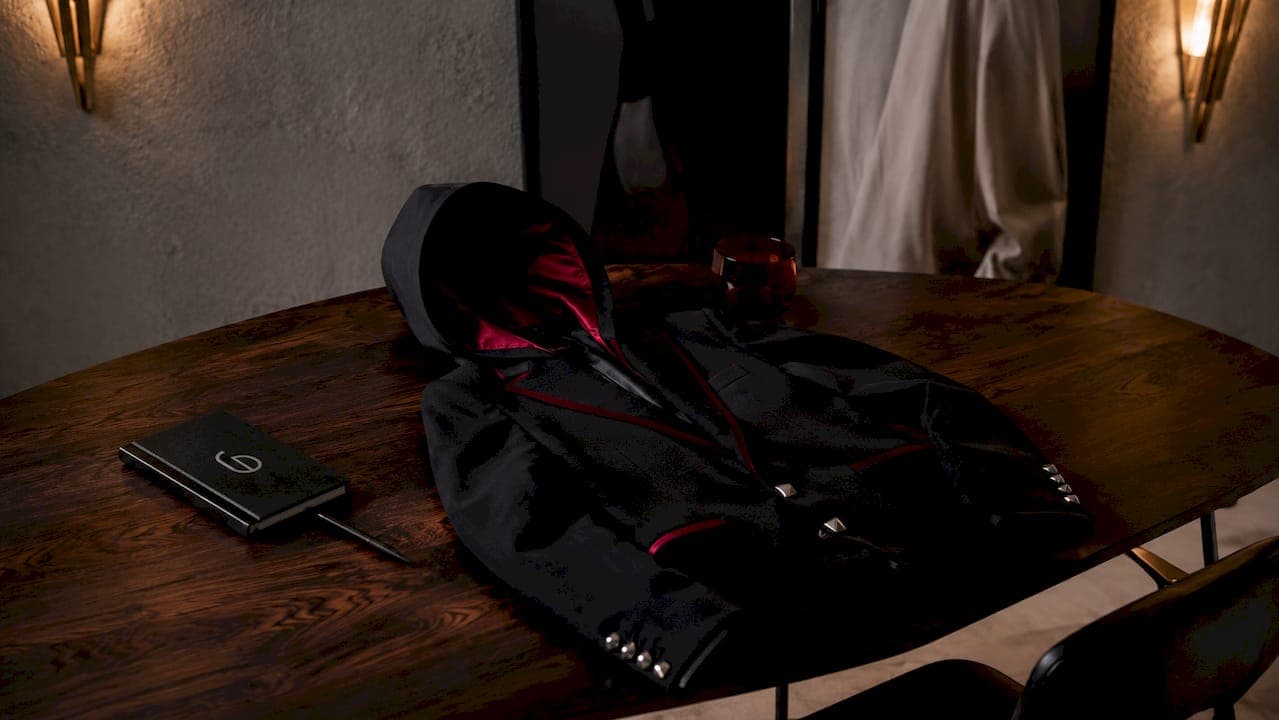
Authentic exclusive fashion is defined by meticulous craftsmanship, rare materials, and coherent construction details that collectively distinguish genuine luxury from imitation. The signs of authentic exclusive fashion extend far beyond a visible logo or a prestigious price tag. True authentication requires a holistic evaluation of proportions, material weight, hardware finish, and construction consistency. Maisons such as Jeeyodee, which handcraft each piece in Italy using Egyptian silk linings and individually numbered production, demonstrate that genuine exclusivity is built into every layer of a garment, not merely printed on its surface.
1. Signs of authentic exclusive fashion begin with fabric quality
Fabric is the first and most telling indicator of genuine luxury. Natural fibres feel cool, smooth, and comfortable against the skin. Synthetics trap heat and often feel stiff or papery. That distinction is immediate and unmistakable when you handle both side by side.
Authentic exclusive garments use materials such as high-count linen, full-grain natural leather, and Egyptian silk. These fibres carry weight and drape with a fluidity that synthetic alternatives cannot replicate. Egyptian silk, for instance, has a cool, almost liquid quality that becomes more pronounced with wear, not less.
The hand-feel test is the most reliable indicator of material quality. No photograph can convey the temperature regulation properties of a genuine natural fibre. This is why experienced collectors always request detailed handling videos when purchasing remotely.
Pro Tip: When evaluating fabric online, ask the seller to film the garment being gently shaken and released. Genuine natural fibres fall and settle with a controlled weight. Synthetics spring back or crinkle unnaturally.
Watch for these warning signs in fabric quality:
- Stiff, papery texture that does not soften with warmth
- Synthetic creasing that leaves permanent fold lines
- A shiny, plastic-like surface sheen under direct light
- Fabric that clings to itself rather than draping cleanly
- Absence of any fibre composition label, or a label listing only generic "polyester blend"
2. How expert stitching reveals genuine craftsmanship
Construction quality is the most difficult element for counterfeiters to replicate consistently. Genuine luxury garments carry 8–12 stitches per centimetre. Fewer than 6 stitches per centimetre signals budget mass production. That single measurement separates a garment built to last decades from one that will unravel within months.
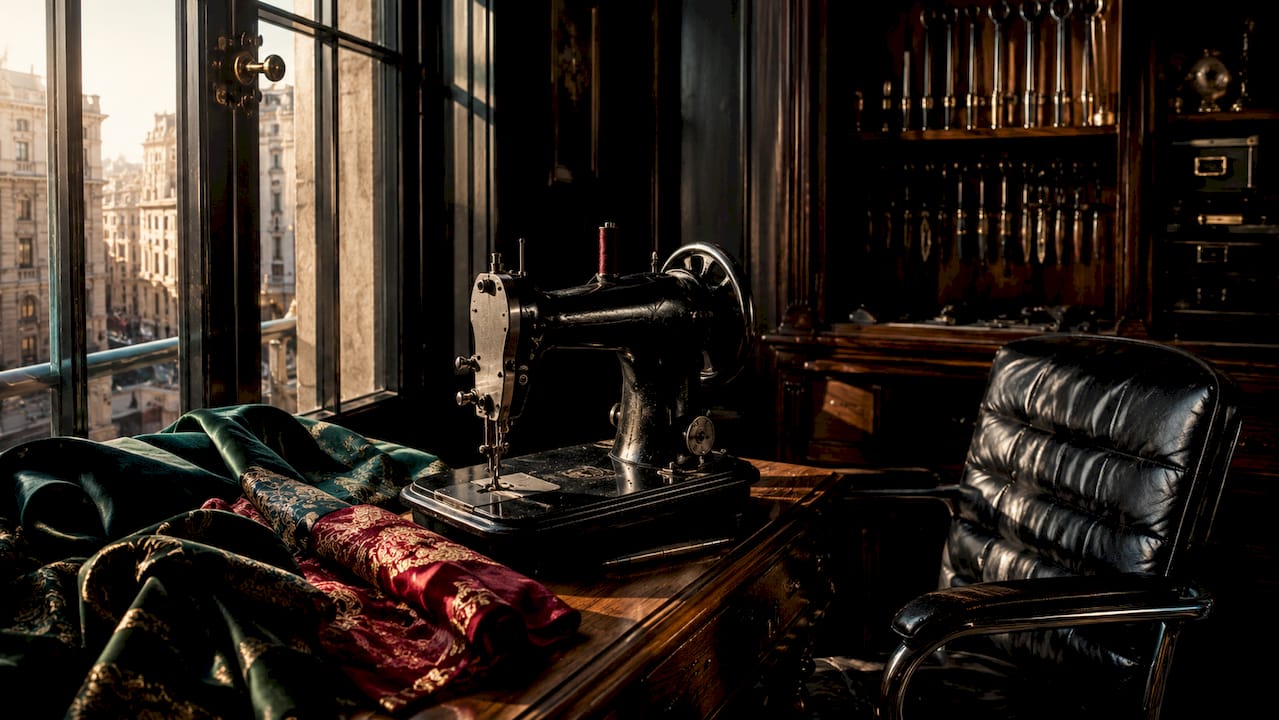
Authentic stitching is even in tension, consistent in spacing, and perfectly aligned at seams and pattern junctions. Stripes, checks, and motifs must meet precisely at every seam. Misalignment is not a minor flaw. It is evidence that the garment was cut and assembled without the discipline that defines genuine atelier work.
The interior construction is where authenticity is most honestly expressed. Authentic garments have clean seam allowances, finished edges, and quality lining materials such as silk or cupro. Counterfeiters rarely invest in interior finishing because most buyers never look. That is precisely why you should.
Pro Tip: Turn the garment inside out before any other inspection. The interior seam quality tells you more about a maker's conviction than any external label ever could.
Key stitching indicators to examine:
- Even stitch tension with no puckering or loose threads
- Seam allowances that are clean, pressed, and consistently wide
- Pattern matching at all visible seams, including side seams and pockets
- Interior lining attached with the same care as the outer shell
- Bartack reinforcements at stress points such as pocket corners and belt loops
The contrast between authentic and imitation construction is stark when examined closely.
| Feature | Authentic luxury garment | Mass-produced imitation |
|---|---|---|
| Stitch count | 8–12 per centimetre | Fewer than 6 per centimetre |
| Seam alignment | Pattern-matched at every junction | Misaligned or inconsistent |
| Interior finishing | Clean allowances, quality lining | Raw edges, synthetic lining |
| Thread tension | Even and consistent throughout | Puckered or loose in places |
3. What hardware and finishing details signal about a garment's origins
Hardware is a physical record of a maker's standards. Genuine luxury garments use zippers with engraved pulls, solid metal clasps, and buttons with perceptible weight. Cheap hardware feels hollow, rattles slightly, and tarnishes within weeks. The difference is tactile and immediate.
Examine the zipper pull first. On an authentic piece, the pull moves smoothly and silently. The engraving is sharp and deep, not stamped shallowly into soft metal. On an imitation, the pull often catches, squeaks, or shows uneven plating that chips at the edges.
Interior lining attachment is equally revealing. Authentic garments attach their linings with precision, leaving no raw edges visible and no excess fabric bunching at corners. Hem regularity matters too. A genuine hem is pressed flat, stitched evenly, and carries no variation in depth around the garment's circumference.
Signs of poor hardware and finishing to reject immediately:
- Zippers that catch, squeak, or show uneven plating
- Buttons that feel lightweight or hollow when tapped
- Lining that is glued rather than sewn at its edges
- Hems that vary in depth or show uneven stitching
- Clasps or press studs that do not close with a clean, firm click
4. How to verify authenticity through provenance and seller credibility
Provenance is the documented history of a garment's origin. Without it, authentication is incomplete. A legitimate seller's digital footprint includes a verifiable physical address, an active telephone number, and a stable record of customer reviews. Counterfeit operations rarely maintain all three. That absence is itself a warning.
Follow these steps when assessing seller credibility:
- Search the seller's physical address independently and confirm it corresponds to a real business location.
- Call the listed telephone number during business hours and assess the response.
- Read reviews across multiple platforms, not only those hosted on the seller's own website.
- Request the garment's serial number or hologram reference and verify it against the maison's official records.
- Treat any listing priced 50–80% below retail as a primary counterfeit risk indicator.
That final point deserves emphasis. A price that appears too good to be true is not an opportunity. It is a signal. Genuine exclusive fashion holds its value because its production costs are real and its quantities are deliberately limited.
Authentication technology has advanced considerably. AI-powered image analysis can now verify authenticity within 10 minutes by comparing submitted photographs against millions of reference data points. These tools do not replace physical inspection, but they add a credible layer of verification when purchasing remotely.
5. Why the logo is the least reliable authenticity indicator
Logo alone is insufficient proof of authenticity. Counterfeiters have reproduced surface branding with increasing accuracy for decades. Experts focus instead on the "silent signature" features that are far harder to replicate at scale. These include construction consistency, material behaviour, and the quality of elements that most buyers never examine.
Typography and logo spacing do matter, but only as one element within a broader assessment. Genuine maisons apply their branding with absolute consistency across every garment in a collection. Spacing, font weight, and placement are governed by precise internal standards. Any variation, however slight, is a deviation from those standards.
The more meaningful test is whether the garment's identity holds together when the branding is ignored entirely. A genuine piece communicates quality through its weight, its drape, its interior, and its hardware. Remove the logo, and the garment still speaks with authority.
6. Practical tests any fashion enthusiast can perform
Physical tests provide immediate, reliable information that photographs cannot. The thumbnail test on leather is one of the most useful. Press your thumbnail firmly into the surface and release. Genuine full-grain leather shows a fading impression that recovers slowly. Synthetic materials either show no impression or retain a permanent mark.
Pro Tip: Examine care labels under a strong light source. Authentic garments carry care instructions in multiple languages, with consistent typography and no spelling errors. A single-language label or inconsistent font is a credible warning sign.
Additional practical checks to apply before purchase:
- Hold the garment to natural light and examine the weave density. Genuine high-count fabrics show a tight, even structure.
- Check that all logos and motifs are symmetrical and centred with no variation between left and right sides.
- Examine the care label stitching. On authentic pieces, the label lies flat and is attached with the same care as the garment's primary seams.
- Request multiple photographs from different angles, including close-ups of interior seams, hardware, and labels.
Key takeaways
Authentic exclusive fashion is identified through construction quality, material integrity, and provenance, not through logos or price alone.
| Point | Details |
|---|---|
| Fabric hand-feel is primary | Natural fibres feel cool and weighted; synthetics feel stiff and trap heat. |
| Stitch count is measurable | Genuine luxury garments carry 8–12 stitches per centimetre; fewer than 6 signals mass production. |
| Interior construction reveals conviction | Clean seam allowances and quality linings are the silent signature of authentic craftsmanship. |
| Provenance must be verifiable | Legitimate sellers provide a physical address, telephone number, and traceable serial numbers. |
| Logo is the last test, not the first | Experts authenticate through material, construction, and hardware before examining surface branding. |
What we have learned from making things that cannot be faked
The most common mistake fashion enthusiasts make is beginning their authentication process at the surface. They examine the logo, check the label, and form a conclusion. That approach is precisely what counterfeiters rely upon.
At Jeeyodee, we build from the inside outward. The Egyptian silk lining is not a finishing touch. It is a commitment made before the outer shell is even cut. The Italian cone studs are not decorative. They are individually aligned by hand, and that alignment is consistent because the person doing it cares whether it is consistent. That care cannot be faked at volume.
What I have observed, working within this discipline, is that genuine exclusivity is always quiet. It does not announce itself. A garment that is truly rare does not need to shout its rarity. Its weight tells you. Its interior tells you. The way it moves when you hold it tells you. The logo is the last thing you notice, because by then, everything else has already made the argument.
The enthusiast who learns to read these quieter signals will never be deceived by surface imitation again. Slow down. Turn the garment over. Look inside. That is where the truth lives.
— Jeeyodee
Jeeyodee and the standard of authentic exclusive fashion
Every piece in the Jeeyodee collection is produced once, numbered individually, and never reproduced. That is not a marketing position. It is a structural commitment to the principles that define identifying genuine luxury fashion.
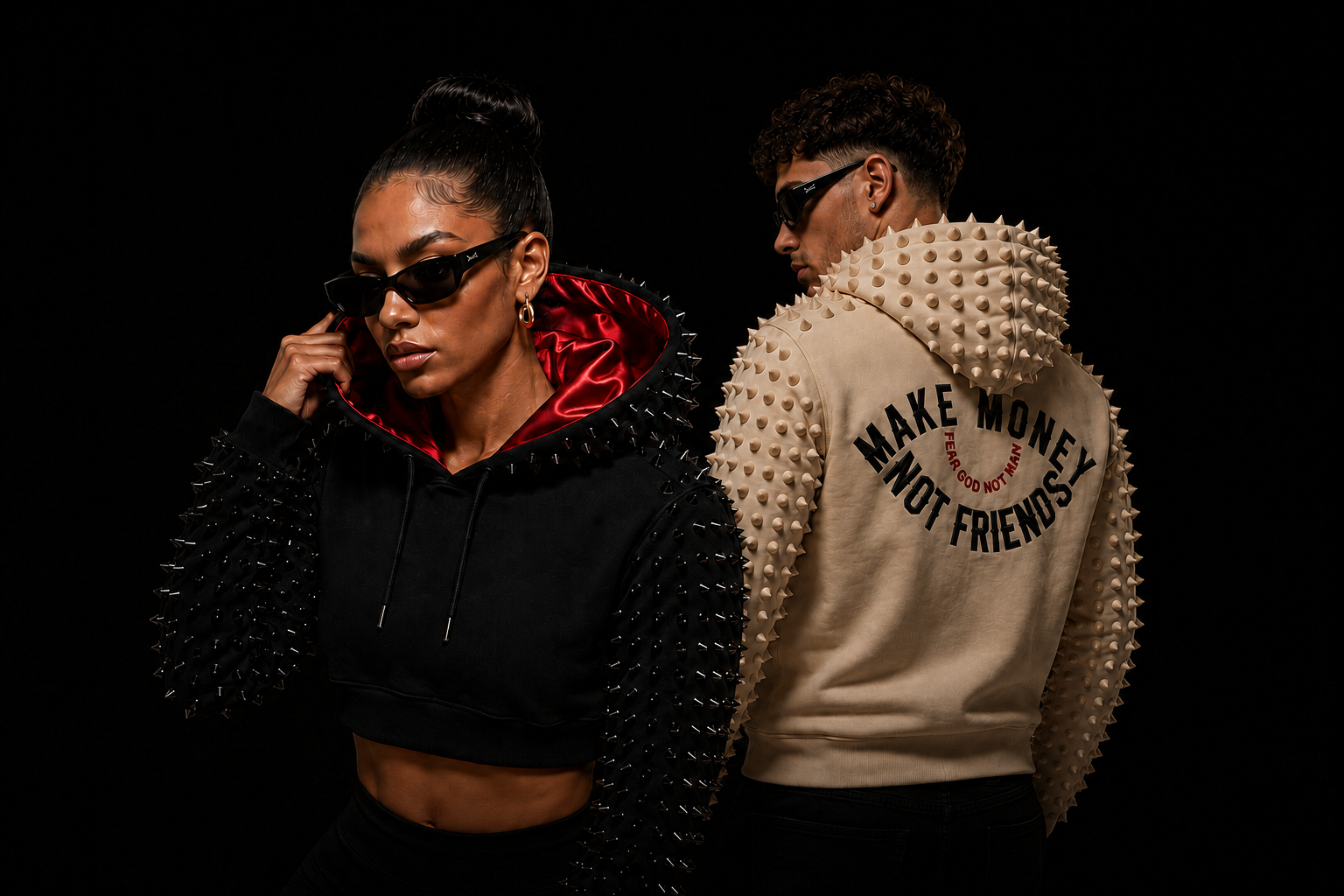
Each garment is handcrafted in Italy, lined with Egyptian silk, and finished with meticulously aligned Italian cone studs. The Jeeyodee collection documents every piece in the Vault Ledger, providing the kind of provenance that serious collectors require. For those who understand that a garment is a permanent chapter rather than a seasonal purchase, Jeeyodee's philosophy offers a rare and considered alternative to the disposable.
FAQ
What is the most reliable sign of authentic exclusive fashion?
The hand-feel of the fabric is the most reliable single indicator. Natural fibres carry weight and regulate temperature in ways that synthetic alternatives cannot replicate, making physical handling the definitive test.
How many stitches per centimetre should a genuine luxury garment have?
Genuine luxury garments carry 8–12 stitches per centimetre. Fewer than 6 stitches per centimetre is a clear indicator of budget mass production rather than atelier craftsmanship.
Is a low price a reliable sign of a counterfeit?
Pricing 50–80% below retail is a primary indicator of counterfeit or unauthorised merchandise. Genuine exclusive fashion holds its value because its production costs and limited quantities are real.
Can AI tools verify fashion authenticity?
AI-powered image analysis can verify authenticity within 10 minutes by comparing submitted photographs against large reference databases. These tools supplement but do not replace physical inspection.
Why is the logo an unreliable authentication test?
Counterfeiters have reproduced surface branding with increasing accuracy for decades. Experts focus on interior construction, material quality, and hardware finish, all of which are far harder to replicate consistently at scale.