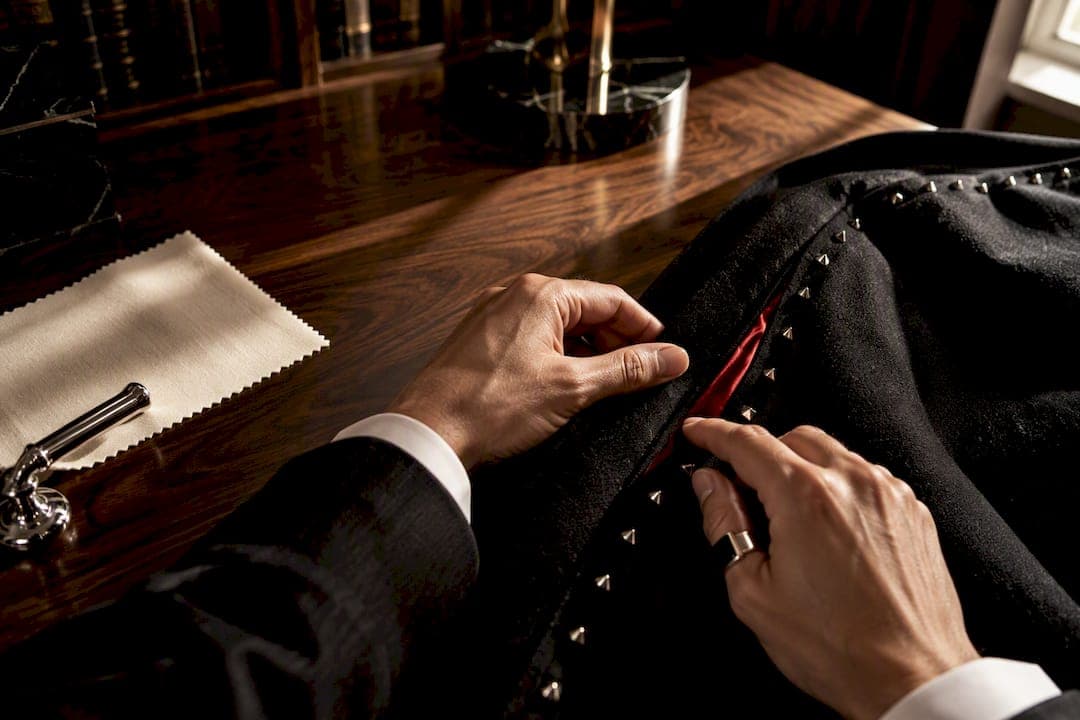
Slow luxury is a philosophy of ownership built on how a thing is made, how long it endures, and the relationship its owner forms with it over years rather than seasons. It stands apart from conspicuous display and even from quiet luxury's hushed aesthetics, because it demands evidence, not merely restraint. What follows unpacks its pillars, its history and the practical steps that turn appreciation into a way of living.
TL;DR:
- Most slow luxury brands focus on transparent sourcing and the ability to repair or adapt items over time, not just minimal aesthetics.
- Craftsmanship, provenance, longevity, and sustainability serve as a checklist to verify if a product truly embodies slow luxury principles.
- Adopting slow luxury involves deliberate purchasing, caring for items with intention, and valuing meaningful experiences over acquisition.
- High price and limited availability are inherent to slow luxury, which can create accessibility issues and pose risks of superficial claims.
- Smaller ateliers, like Jeeyodee, exemplify slow luxury by producing handcrafted, one-time pieces in Italy with a focus on permanence and traceable origin.
Table of Contents
- What slow luxury is and how it differs from quiet or soft luxury
- Core pillars: craftsmanship, provenance, longevity and sustainability
- How to adopt a slow luxury mindset
- Historical evolution of slow luxury and its cultural origins
- How slow luxury compares with fast fashion and mainstream luxury
- Profiles of key brands and designers pioneering slow luxury
- The benefits of slow luxury beyond how things look
- The challenges and criticisms of slow luxury
- Jeeyodee's maison perspective: living the principles in craft and limited drops
- An invitation to explore the maison
- Sources
- FAQ
What slow luxury is and how it differs from quiet or soft luxury
Quiet luxury is often described as a look featuring minimal branding, muted palettes and silhouettes that whisper rather than announce. Slow luxury asks a different question entirely. It cares less about how something appears and more about how it came to exist, what it is made from, and whether it will still matter in a decade.
Contemporary coverage often points to names such as Loro Piana, Brunello Cucinelli and The Row as reference points for quiet luxury, but reputation alone says nothing about traceability or whether a garment can be repaired when it wears. That gap is precisely where slow luxury begins its enquiry.
Three examples illustrate the distinction:
- A cashmere coat with no visible logo may satisfy the quiet luxury brief while its wool's origin remains undisclosed.
- A hand-stitched leather bag rebuilt by its original maker after a decade of use demonstrates the procedural depth slow luxury demands.
- A ceramic vessel thrown by a single potter, numbered and never repeated, embodies both restraint and traceable craft at once.
Soft luxury, a term sometimes used interchangeably with quiet luxury, tends to describe fabric and comfort rather than provenance. Slow luxury absorbs both aesthetic and material considerations but insists on a third pillar: permanence. An object earns its place in this category only when it can answer where it came from, how it was made, and how it will age.
Core pillars: craftsmanship, provenance, longevity and sustainability
Genuine slow luxury rests on four pillars, and each one can be tested rather than taken on faith.

Craftsmanship shows itself in maker technique: hand finishing, small-batch production, atelier practices that resist automation where automation would compromise quality. A single artisan overseeing a garment from cut to final stitch produces something automation cannot replicate, and that difference is visible on close inspection.
Provenance and traceability concern origin. Where did the raw material come from? Is there a named supplier, a regional link, a relationship between maker and source that can be described rather than assumed? Localism, in this sense, is not sentiment; it is accountability.
Longevity and functionality ask whether a piece was designed to be repaired, adapted or worn across seasons rather than discarded after one. A timeless silhouette that resists trend cycles serves this pillar directly, as does modular construction that allows a specialist to replace a worn element without remaking the whole.
Sustainability and social practice cover material choice, circular design and fair labour. Academic research into slow fashion identifies five dimensions that frame this pillar precisely: equity, authenticity, functionality, localism and exclusivity, together describing consumption built on buying fewer, better things rather than more, cheaper ones.
Some major luxury groups are beginning to translate these values into operational targets. LVMH's LIFE 360 programme reports increased use of recycled materials alongside measurable reductions in certain emissions, evidence that sustainable design is becoming a measured commitment rather than a marketing gesture among the houses with the scale to prove it.
Together these four pillars form a checklist. A brand or object that satisfies all four is not simply well made. It is built to be lived with.
How to adopt a slow luxury mindset
Living this philosophy begins before purchase and continues long after.
- Ask before you buy. What is this made from, who made it, can it be repaired, and how long is it reasonably expected to last?
- Buy fewer, choose deliberately. Favour limited editions, bespoke commissions or atelier pieces over anything produced to satisfy a trend calendar.
- Care with intention. Repair rather than replace, rotate use to reduce wear, and seek specialist cleaning and storage suited to the material rather than generic solutions.
- Consider experience over acquisition. Craft workshops, slow hospitality and mentorship from established collectors often deliver the depth of engagement that a new object cannot.
Reading a garment before buying it matters as much as reading its description. Fabric weight, stitch density and the alignment of hardware reveal more about intent than any label.
Pro Tip: Run your fingers along a seam before you check the tag: even stitching under tension, with no puckering, tells you more about craftsmanship than any care label ever will.
For those learning to judge textiles specifically, a practical guide to assessing fabric quality offers useful grounding, particularly for readers new to distinguishing genuine weight and weave from convincing imitation. Those who prefer guided sourcing rather than self-directed research might also consider a consultation with a curation specialist, a route suited to collectors building a considered wardrobe rather than an impulsive one.
Historical evolution of slow luxury and its cultural origins
Slow luxury did not emerge as a marketing response to fast fashion, though it is often framed that way. Its origins lie further back, in the pre-industrial workshop, where a garment or object was made by a single hand or a small guild, priced according to labour and material scarcity, and expected to serve its owner for a lifetime.
Industrialisation broke that relationship. Mass production introduced speed and volume as virtues, and luxury itself began to borrow those values, chasing seasonal collections and constant novelty. The slow food movement of the late twentieth century, born as a reaction against fast consumption in another domain entirely, offered the vocabulary that slow luxury would later adopt: patience, provenance, and resistance to acceleration for its own sake.
What distinguishes the current moment is not the philosophy itself, which has ancient roots in artisan traditions across cultures, but its rearticulation as a conscious counterpoint to a saturated luxury market. Academic framing of slow fashion's five dimensions, including authenticity and exclusivity, gives this older instinct a modern analytical structure, turning what was once simply how things were made into a deliberate stance against how things are now made.
How slow luxury compares with fast fashion and mainstream luxury
Fast fashion optimises for speed and price, producing garments intended for a handful of wears before replacement. Its business model depends on volume and disposability, values that sit in direct opposition to every pillar of slow luxury.
Mainstream luxury occupies more complicated territory. Many established houses retain genuine ateliers and skilled hands, yet the pressure to release multiple collections annually has pushed even respected names towards practices that echo fast fashion's rhythm, if not its price point. Logo-driven design, in particular, prioritises recognition over the procedural depth slow luxury demands.
Hospitality offers a useful parallel. Where a conventional luxury hotel might sell speed and convenience, brands such as Belmond have repositioned around unhurried experience, expanding curated train journeys and cultural itineraries that foreground craft, local culture and time itself as the luxury on offer. The comparison illustrates a broader truth: slow luxury is not defined by category, whether garment, journey or object, but by whether time and care were genuinely spent in its making.
Profiles of key brands and designers pioneering slow luxury
No single brand owns slow luxury, and that is by design: the philosophy resists concentration into one name or one aesthetic. What unites its clearest examples is consistency between claim and practice.
Certain names recur in discussions of restrained, materials-first design, among them Loro Piana and Brunello Cucinelli, frequently cited in coverage of understated luxury positioning for their emphasis on fabric quality over branding. Their prominence in that conversation reflects aesthetic alignment with slow luxury values rather than a formal certification, since no independent body currently verifies traceability or repairability across the category.
Smaller ateliers and independent maisons often demonstrate the philosophy more completely than scale allows the largest houses to manage, precisely because limited output makes hand finishing and individual numbering feasible rather than aspirational. Maison Jeeyodee, discussed in detail below, positions itself within this smaller, atelier-led tradition, where craft proof replaces marketing claim.
The absence of a definitive list is itself instructive. Slow luxury is better understood as a standard a brand either meets or does not, verified through material, process and longevity, than as a badge conferred by reputation alone.

The benefits of slow luxury beyond how things look
The rewards of this mindset extend well past aesthetics. Psychologically, ownership built on attachment rather than acquisition tends to produce deeper satisfaction, because a piece chosen deliberately and cared for over years carries meaning that impulse purchases rarely accumulate. Research into narrative and maker storytelling suggests that authentic product stories strengthen attachment, increasing perceived value and reducing the likelihood that an object is discarded.
There is also a countercultural dimension worth naming plainly. Constant digital exposure trains attention towards novelty and away from patience, and choosing to slow down around material possessions can feel like a small act of resistance against that current.
Environmentally, the calculus is straightforward. A garment or object built to last a decade, repaired rather than replaced, generates less waste than five disposable equivalents purchased across the same period. Circular practices, including repair, refurbishment and material substitution, are increasingly documented in major houses' sustainability reporting, evidence that the environmental case for slow consumption is being taken seriously at an industry scale, not only by individual collectors.
The challenges and criticisms of slow luxury
The philosophy is not without legitimate tension. Price sits at the centre of most criticism: genuine craftsmanship, ethical sourcing and small-batch production cost more than industrial alternatives, and that cost is rarely absorbed by the maker. Accessibility becomes a real question when the pillars that define slow luxury are, almost by definition, expensive to satisfy.
There is also a risk of the term being borrowed rather than earned. A brand can adopt slow luxury's vocabulary, restraint, heritage, craft, without submitting to its discipline, producing muted branding that signals the aesthetic while the underlying process remains identical to fast fashion. Readers evaluating a claim should look past the language to the evidence: named suppliers, repair policies, production scale.
Finally, slow luxury carries an inherent contradiction worth acknowledging. A philosophy built on patience and restraint sits awkwardly within an industry still driven by seasonal calendars and growth targets. The brands that navigate this tension most honestly tend to be smaller, less beholden to quarterly performance, and willing to release less rather than more.
Jeeyodee's maison perspective: living the principles in craft and limited drops
We did not adopt slow luxury as a positioning exercise. It is simply how a garment must be made if it is to earn the word maison rather than merely borrow it.
Every piece to leave our atelier is finished by hand and individually numbered, produced in Italy under conditions that make hand finishing possible rather than aspirational. The materials carry the same discipline: heavyweight cotton chosen for structure and longevity, Egyptian silk lining the hood as a detail few will see but every owner will feel, Italian cone studs aligned with a precision that a machine set to speed would never permit.
Our drop philosophy follows the same logic. Nothing is reproduced. Once a design has been made and worn, it exists only in the hands of those who hold it, a permanent chapter rather than a repeatable product. This is not scarcity manufactured for urgency. It is simply what happens when a garment is treated as a piece of provenance rather than inventory, something we explore further across jeeyodee.store.
Luxury, in our conviction, is not bought. It is earned through the discipline of making something once and meaning it.
— Jeeyodee
An invitation to explore the maison
If the principles above resonate, you will recognise them immediately in our work. Maison Jeeyodee exists at the intersection of every pillar discussed here: craftsmanship measured in hours rather than units, provenance you can trace to a single atelier, and a permanence that comes from never repeating a design once it has found its owner.
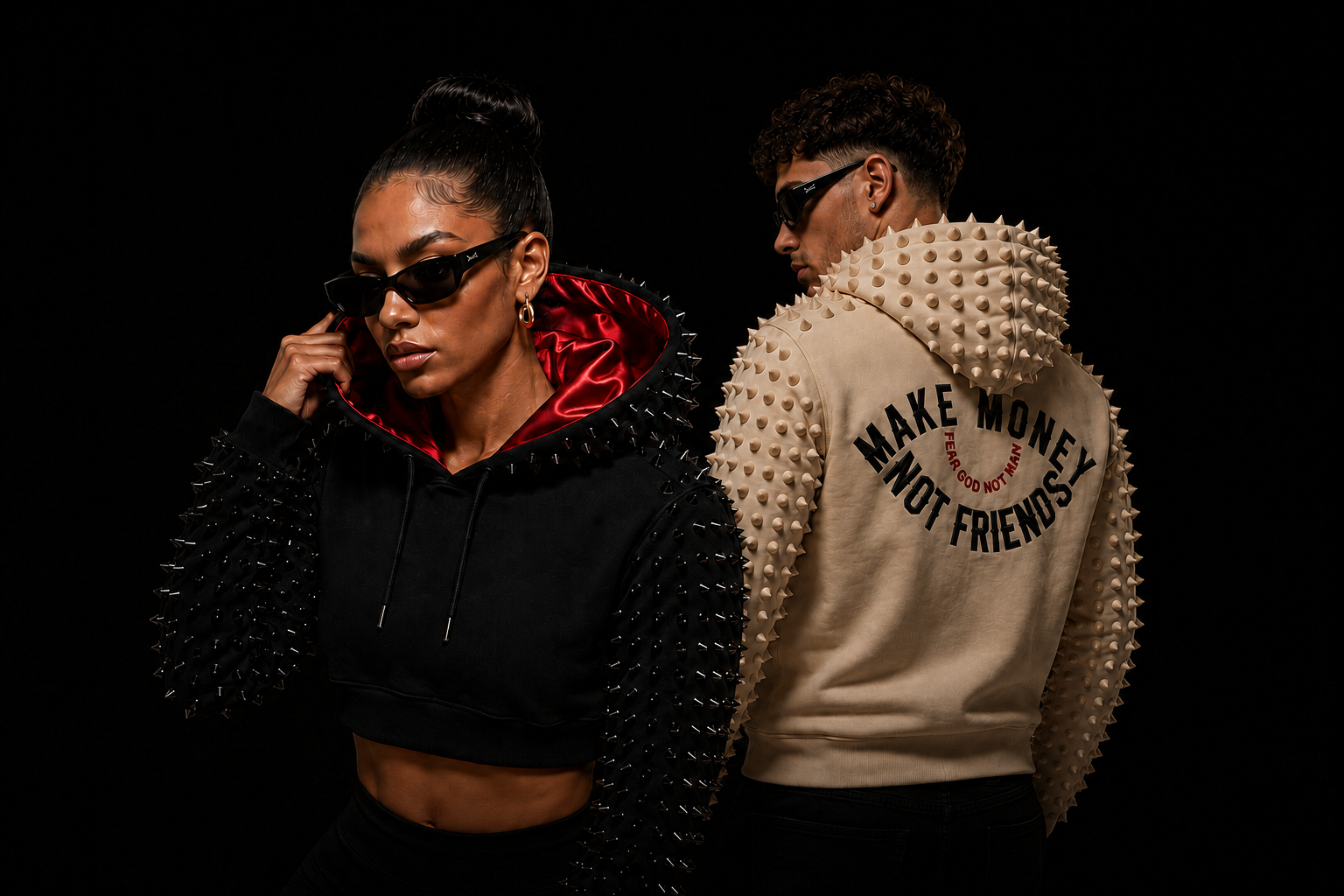
We invite you to see this philosophy expressed in the current collection at Jeeyodee, where each piece is offered once and never made again.
Sources
- Luxe Digital — best quiet luxury brands
- A theoretical investigation of slow fashion — International Journal of Consumer Studies (Wiley)
- LVMH 2025 interactive annual report
FAQ
What is the most quiet luxury brand?
There is no single brand universally recognised as the definitive quiet luxury name. Contemporary coverage frequently cites Loro Piana, Brunello Cucinelli and The Row as reference points, though reputation alone does not confirm traceability or repairability.
What does soft luxury mean?
Soft luxury generally describes comfort-focused materials and understated design, closely related to quiet luxury's restrained aesthetic. It overlaps with slow luxury but does not, on its own, address provenance or longevity, the deeper standards slow luxury requires.
What is meant by quiet luxury?
Quiet luxury refers to minimalist, timeless design with restrained or absent branding, prioritising subtlety over overt status signalling. It is best understood as an aesthetic subset of slow luxury, concerned with appearance rather than the fuller questions of how something was made or how long it will last.
What is a silent luxury brand?
The term is generally used interchangeably with quiet luxury, describing brands that favour understated design over visible logos. As with quiet luxury more broadly, no formal certification distinguishes a silent luxury brand from any other; the label reflects aesthetic positioning rather than a verified standard.
How is Jeeyodee an example of slow luxury?
Jeeyodee produces hand-finished, individually numbered garments in Italy, using materials such as heavyweight cotton and Egyptian silk hood linings, with each design offered once and never repeated. This approach reflects the craftsmanship, provenance and permanence that define slow luxury as a practice rather than a marketing term.