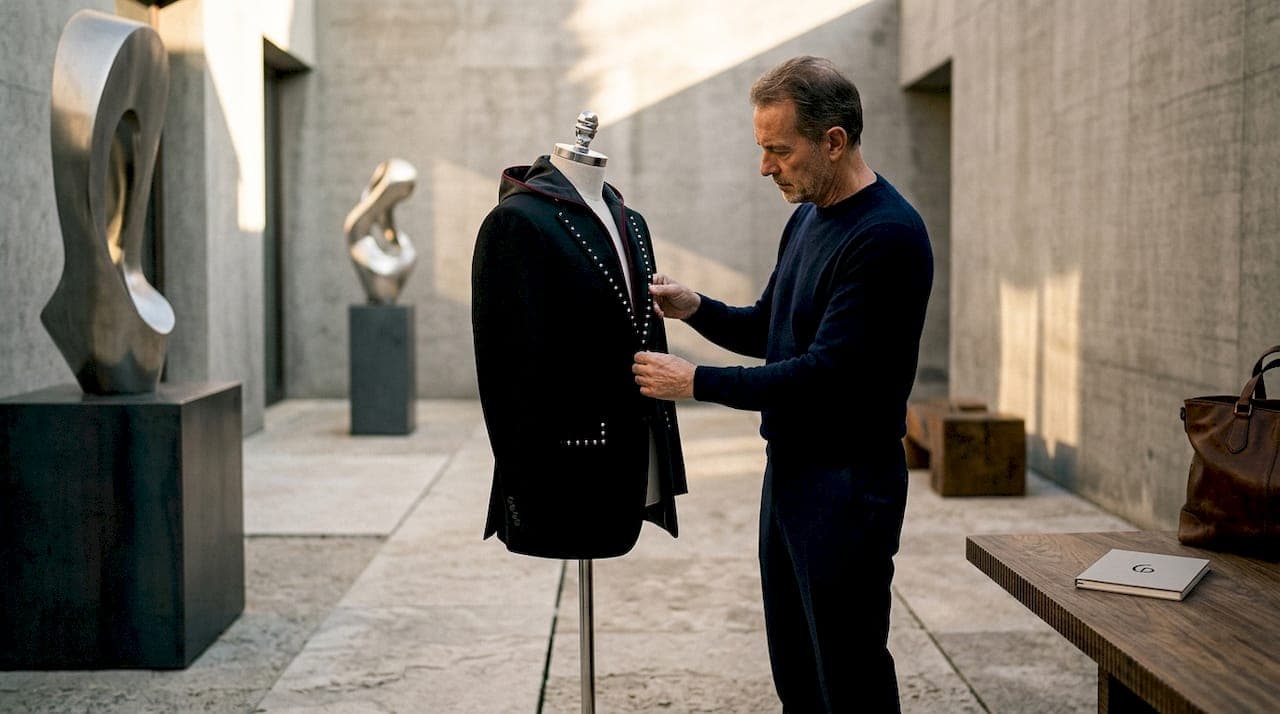
TL;DR:
- Responsible luxury fashion combines environmental accountability, social ethics, and supply chain transparency. It emphasizes artisanal craftsmanship, scarcity, and permanence to create meaningful, lasting pieces. True responsibility requires verified practices beyond marketing, and genuine scarcity fosters long-term value.
Responsible luxury fashion is defined as the union of environmental accountability, social ethics, and artisanal permanence. It is not a marketing position. It is a discipline. The industry's own record makes this clear: less than 1% of clothing material is recycled into new clothing, a figure that exposes how far most production sits from genuine circularity. True responsibility demands more than organic cotton or a recycled label. It demands conviction at every stage, from the sourcing of raw materials to the hands that shape the final piece. Jeeyodee was built on precisely that conviction, producing each garment in Italy, in strictly limited numbers, with materials chosen for permanence rather than convenience.
What defines responsible luxury fashion: the three pillars
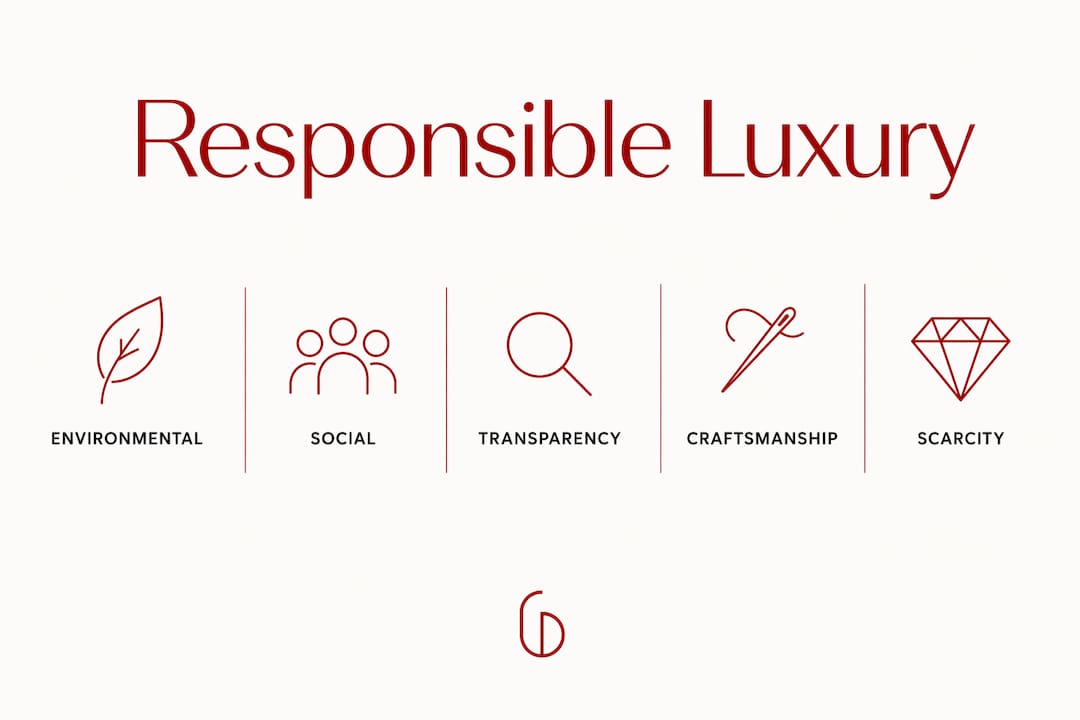
Responsible luxury fashion rests on three inseparable pillars: environmental stewardship, social ethics, and supply chain transparency. Remove one and the structure collapses. A brand using organic linen but paying poverty wages does not meet the standard. Sustainable and ethical fashion are distinct disciplines, and brands must demonstrate concrete proof of both to be truly responsible.
Environmental stewardship addresses the physical impact of production. It covers material selection, water and energy use, chemical management, and end-of-life planning for each garment. A responsible luxury house chooses materials with documented provenance and measurable environmental credentials.
Social ethics addresses the human cost of production. Fair wages, safe working conditions, and protected labour rights are not optional additions. They are the foundation. A garment crafted under exploitative conditions carries that history regardless of the fabric it is made from.
Supply chain transparency is the mechanism that verifies the other two. Third-party certifications such as B Corp, the Leather Working Group, and the Responsible Wool Standard represent the gold standard for this verification. Each involves documented audits across governance, workers, community, and environment. Certification is not a badge. It is evidence.
Pro Tip: When assessing a brand's environmental claims, look for measurable targets with audited progress rather than aspirational language. Vague commitments to "doing better" indicate marketing, not accountability.
The industry term for this integrated approach is sustainable fashion, though the phrase is now used so loosely that it requires qualification. Responsible luxury fashion is sustainable fashion held to its strictest definition: verified, permanent, and human-centred.
How does craftsmanship define responsible luxury over mass production?
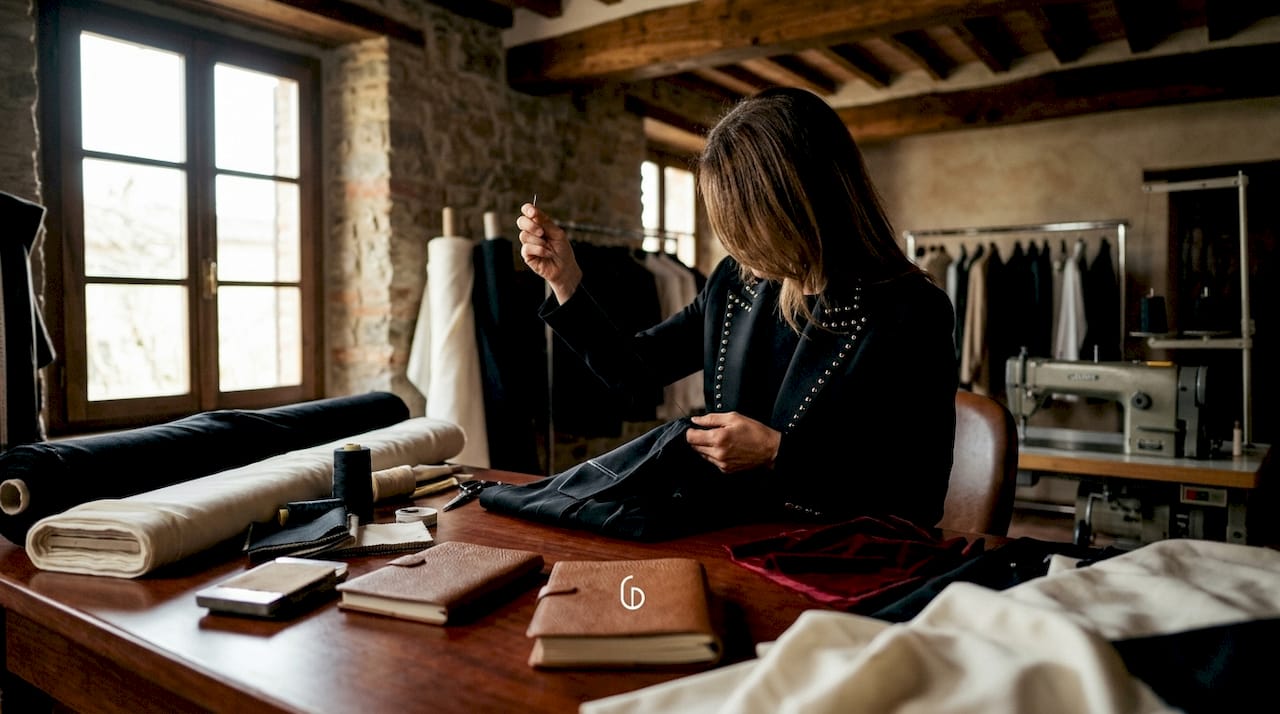
Artisanal craftsmanship is the defining counterpoint to volume-driven production. Where mass production optimises for speed and output, craftsmanship optimises for permanence and meaning. Modern consumers increasingly seek mindful fashion characterised by durability, timelessness, and human-centric processes. The rise of automated production has, paradoxically, made the human hand more valuable, not less.
"The brilliance of humanity" is what artisanal craftsmanship preserves. Each hand-finished seam, each individually placed stud, each numbered piece carries the irreplaceable mark of a person who chose to make it well. That is a form of social responsibility in itself.
Jeeyodee's production in Italy reflects this philosophy directly. Each piece is handcrafted by carefully selected Italian artisans, finished by hand, and individually numbered. The Egyptian silk hood linings and meticulously aligned Italian cone studs are not decorative choices. They are declarations of intent. Every material is chosen because it will last, and every detail is placed because it matters.
The characteristics of responsible craftsmanship in luxury production include:
- Documented provenance of all primary materials, traceable to origin
- Artisanal production methods that prioritise skill over speed
- Individually finished pieces that carry the maker's attention in every detail
- Investment-quality materials selected for longevity, not trend alignment
- Limited production runs that prevent overstock and waste
Ethical practice and high product quality are complementary, not contradictory. A luxury house that demands excellence from its artisans must also protect them. The two are inseparable.
Pro Tip: When evaluating craftsmanship in a luxury purchase, ask whether the piece is individually numbered or marked. Numbering signals intentional scarcity and accountability. It means the maker knew exactly how many pieces existed and chose that number deliberately.
Why is scarcity essential to responsible luxury fashion's value?
Intentional scarcity is not a sales tactic. It is an ethical position. Limited quantity production avoids overproduction and waste, two of the most damaging forces in modern fashion. When a house commits to producing a design once and never reproducing it, every material decision carries greater weight. There is no margin for carelessness.
Permanence is the natural companion to scarcity. A garment designed to be worn once and discarded is not a luxury piece. A garment designed to survive decades, to be passed between owners, to accrue meaning over time, is a permanent chapter in someone's history. This is what separates collectible luxury from disposable fashion.
Jeeyodee's drops operate on this principle without exception. Each design is produced in a strictly limited quantity, crafted once, and never repeated. The Jeeyodee collection exists as a vault ledger, a record of pieces that will not return. That permanence is the point. Ownership becomes attachment, and attachment becomes legacy.
The relationship between scarcity and responsibility can be understood through four principles:
- Finite production prevents overstock. When a house knows its exact quantity before production begins, it sources only what it needs.
- Collectibility encourages long-term ownership. Pieces intended to hold value are cared for, repaired, and passed on rather than discarded.
- Scarcity demands material integrity. A piece produced once must be made correctly. There is no second run to correct a compromise.
- Permanence counters disposable culture. A garment with a number, a name, and a story resists the cycle of trend and disposal.
| Principle | Responsible luxury approach | Volume-driven approach |
|---|---|---|
| Production quantity | Strictly limited, decided before production | Determined by demand forecasts and surplus |
| Material sourcing | Chosen for longevity and provenance | Chosen for cost efficiency |
| Design lifespan | Timeless, intended to outlast trends | Seasonal, replaced each cycle |
| End-of-life intent | Collectible, passed between owners | Discarded or donated |
How can you identify a truly responsible luxury brand?
The most reliable indicator of a responsible luxury brand is supply chain transparency beyond the first tier. Most brands trace only their direct suppliers. True responsibility demands detailed visibility to tier 2 and tier 3 supply chain levels, where hidden social and environmental risks most often reside. A brand that cannot or will not share this information has not earned the designation.
Certifications matter, but they require scrutiny. Certification-washing is common: brands highlight a narrow environmental certification while neglecting broader social or governance responsibilities. A single certification covering one material or one process does not constitute holistic responsibility. Look for certifications that audit across multiple dimensions simultaneously.
A credible sustainability report includes three things: specific measurable targets, audited progress against those targets, and honest acknowledgement of gaps. Aspirational language without measurement indicates marketing rather than accountability. If a brand cannot tell you where it fell short and what it did about it, the report is not a sustainability document. It is a brochure.
Pro Tip: Ask a brand directly which tier 2 and tier 3 suppliers it can name. The answer tells you more about its commitment to transparency than any published report.
Transparency in luxury is now a strategic imperative, not mere storytelling. It mitigates the risk of labour exploitation, protects against counterfeit goods entering the supply chain, and builds the kind of trust that survives scrutiny. Jeeyodee's commitment to Italian production, named artisans, and individually numbered pieces is a form of transparency that requires no report. The garment itself is the evidence.
Key takeaways
Responsible luxury fashion is defined by the integration of environmental accountability, social ethics, and artisanal permanence, verified through transparent supply chains and intentional scarcity rather than volume or marketing claims.
| Point | Details |
|---|---|
| Three inseparable pillars | Environmental stewardship, social ethics, and supply chain transparency must all be present and verified. |
| Craftsmanship as responsibility | Artisanal, human-centric production methods create lasting value and protect the makers behind each piece. |
| Scarcity prevents waste | Strictly limited production runs eliminate overstock, demand material integrity, and encourage long-term ownership. |
| Transparency beyond tier 1 | Responsible brands disclose tier 2 and tier 3 supplier information, not just their direct manufacturer. |
| Certifications require scrutiny | Holistic certifications auditing governance, workers, and environment carry more weight than single-scope claims. |
Responsible luxury as a permanent creative legacy
We believe the future of luxury is not faster. It is more deliberate. The industry's volume model has produced abundance without meaning, choice without conviction. What we see now, in the growing rejection of disposable fashion and the return to mindful consumption, is not a trend. It is a correction.
Craftsmanship is the most honest form of responsibility a luxury house can practise. When a garment is made by hand, in a named place, by a named person, using materials with a documented origin, it carries accountability that no certification can fully replicate. The piece itself is the proof. That is why Jeeyodee produces in Italy, works with carefully selected artisans, and numbers every piece. Not to signal exclusivity, but to honour it.
The challenge for luxury maisons today is to resist the pressure of volume without losing relevance. Scarcity must be genuine, not manufactured. Transparency must be structural, not seasonal. And craftsmanship must be protected as a cultural inheritance, not reduced to a marketing footnote.
Luxury that survives generations does so because it was made with the intention of surviving. Every garment Jeeyodee produces is a permanent chapter. We do not reprint chapters.
— Jeeyodee
Jeeyodee: numbered luxury, made with conviction
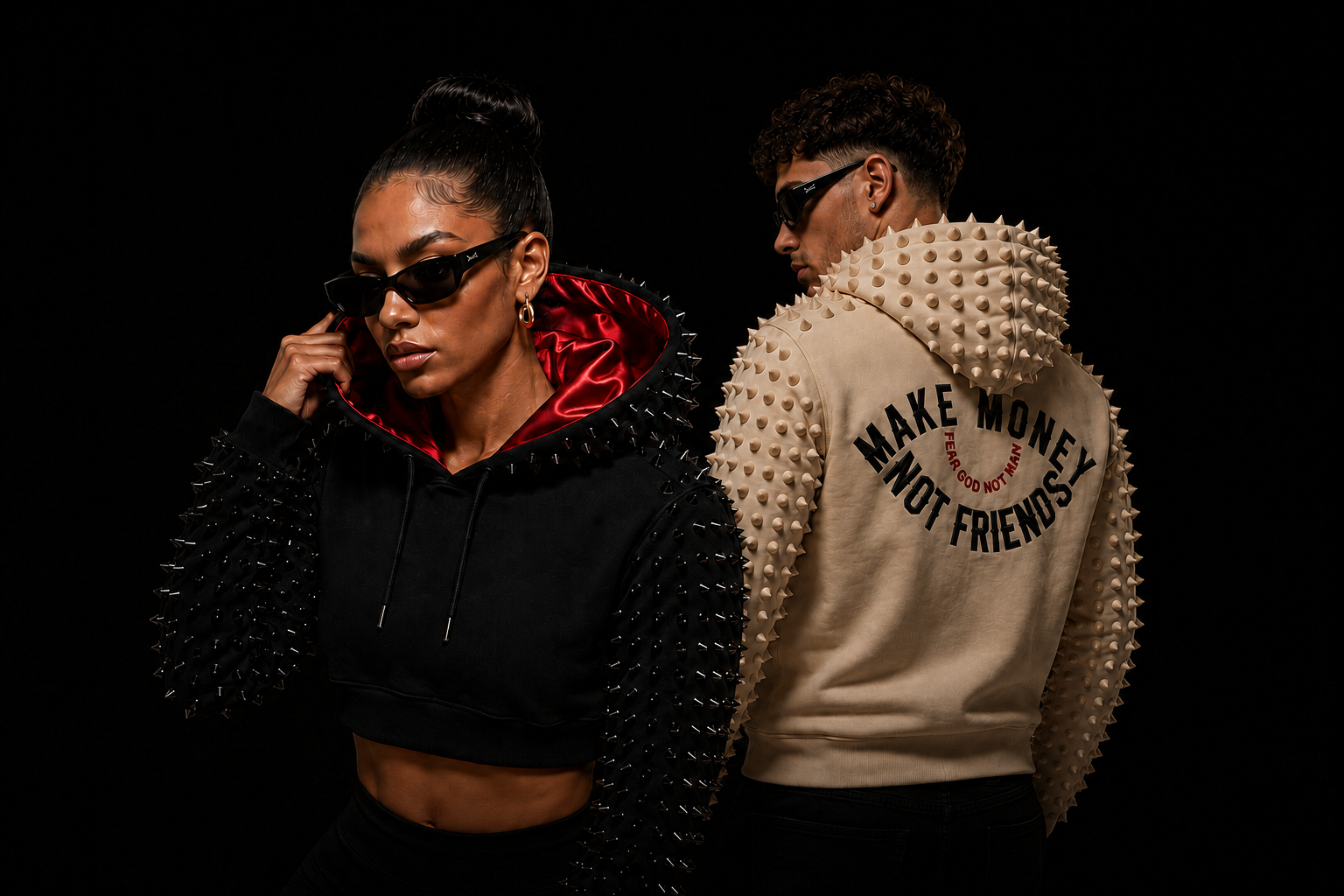
Jeeyodee is an independent luxury maison producing strictly limited garments in Italy, by hand, using exceptional materials including Egyptian silk hood linings and meticulously aligned Italian cone studs. Every piece in the Jeeyodee collection is individually numbered, produced once, and never reproduced. That is not a promise. It is the structure of how we work.
For those who understand that a garment's value lies in its permanence rather than its price tag, the Jeeyodee store presents each drop as a collectible record. Each design carries a manifesto that honours the origin of its materials and the hands that shaped it. If the principles explored in this article resonate with how you think about what you wear, the collection is the natural next step.
FAQ
What defines a responsible luxury fashion brand?
A responsible luxury fashion brand integrates environmental stewardship, social ethics, and supply chain transparency, verified through independent third-party audits rather than self-reported claims. All three pillars must be present for the designation to hold.
What certifications should I look for in ethical luxury fashion?
Certifications such as B Corp, the Leather Working Group, and the Responsible Wool Standard are among the most credible because they audit across governance, workers, community, and environment simultaneously. A single-scope certification covering only one material or process is insufficient on its own.
How does limited production support sustainable luxury?
Strictly limited production prevents overproduction and waste, demands material integrity because there is no second run, and encourages long-term ownership by creating collectible pieces with lasting value.
What is the difference between sustainable and ethical fashion?
Sustainable fashion addresses environmental impact, whilst ethical fashion addresses social conditions including fair wages and safe working environments. Both are required for a brand to be genuinely responsible. A brand using organic materials but exploiting workers does not meet the full standard.
How do I verify a luxury brand's transparency claims?
Ask whether the brand discloses tier 2 and tier 3 supplier information, not just its direct manufacturers. A credible sustainability report includes specific measurable targets, audited progress, and honest acknowledgement of shortfalls rather than aspirational language alone.