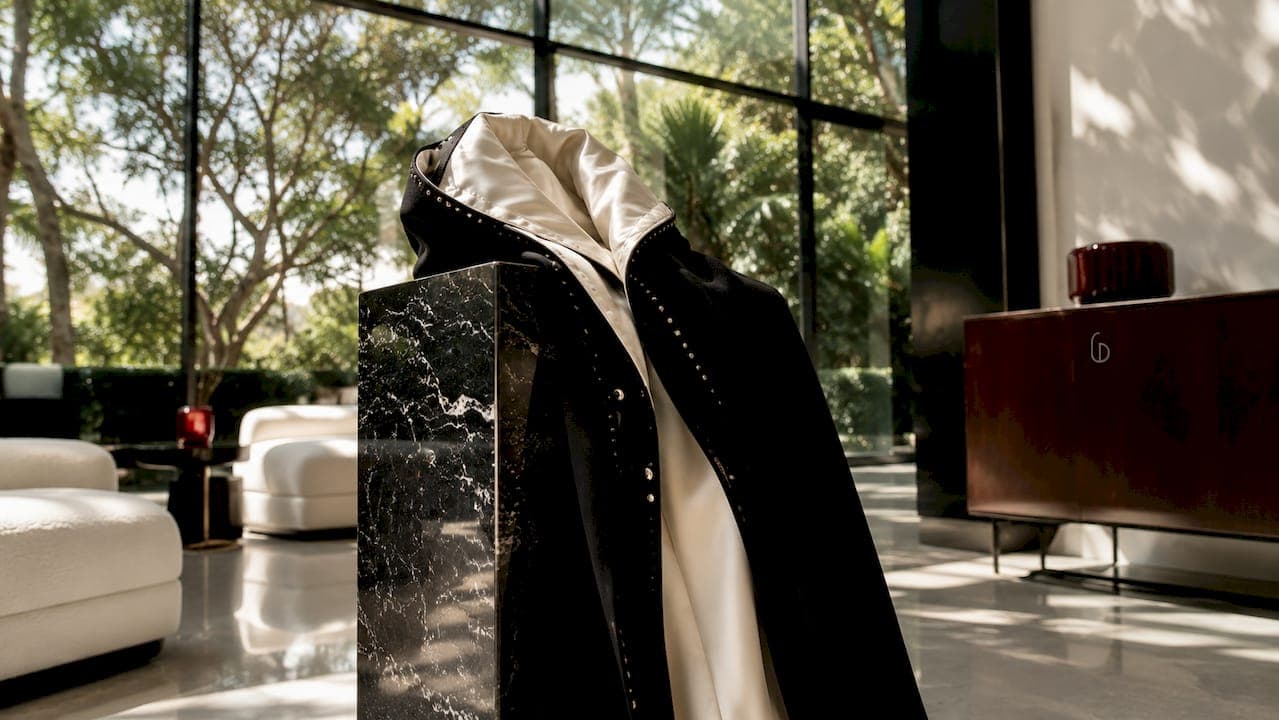
TL;DR:
- Choosing quality over quantity means owning fewer well-made garments that last longer and provide better value. Most consumers now prioritize durability and craftsmanship, reflecting a shift toward sustainable and mindful fashion choices. Well-constructed, timeless pieces reduce environmental impact and offer more cost-effective wardrobe options over time.
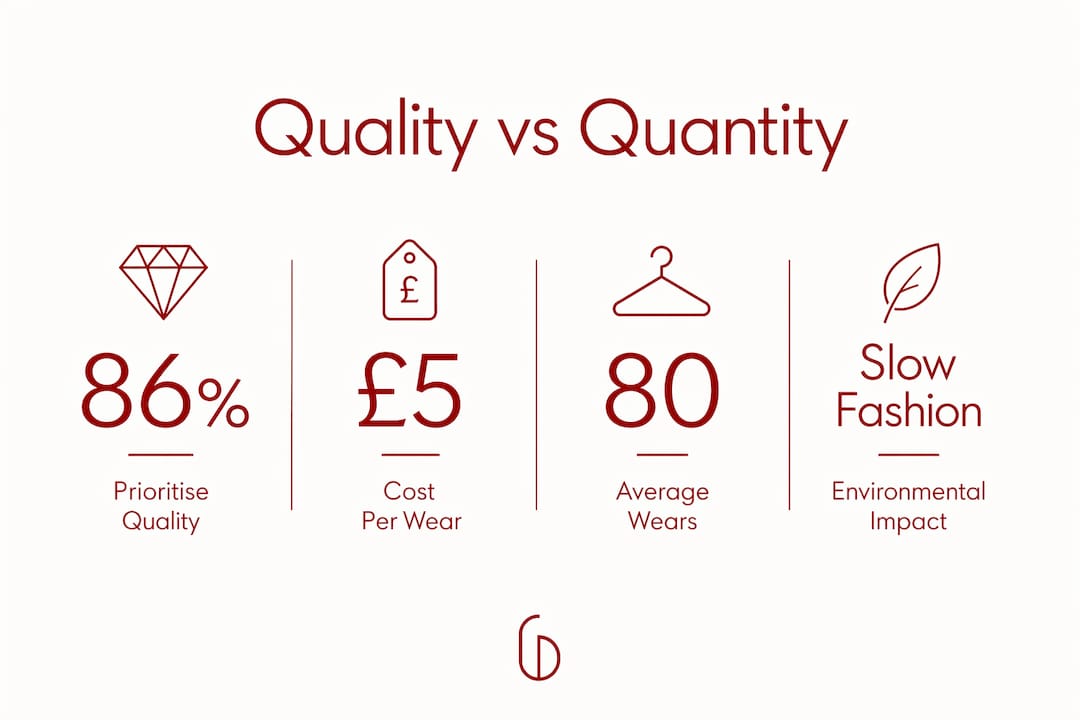
Choosing quality over quantity in fashion is the discipline of owning fewer, expertly crafted garments that last longer, fit better, and deliver greater value than a wardrobe crowded with disposable pieces. This principle, long practised by those who understand that a coat worn for a decade costs less than ten coats worn for a season each, has moved from niche conviction to mainstream priority. 86% of fashion consumers now prioritise quality and durability in their purchases, up from 78% in 2022. That shift reflects something deeper than economic pressure. It reflects a growing refusal to accept clothing that fails, fades, and fills landfill within months of purchase.
Why quality over quantity fashion starts with what garments are made of
Quality in fashion is defined by three things: materials, construction, and design integrity. Each one is measurable. None of them require a luxury price tag to identify, though they are far more common in garments made with genuine craft.
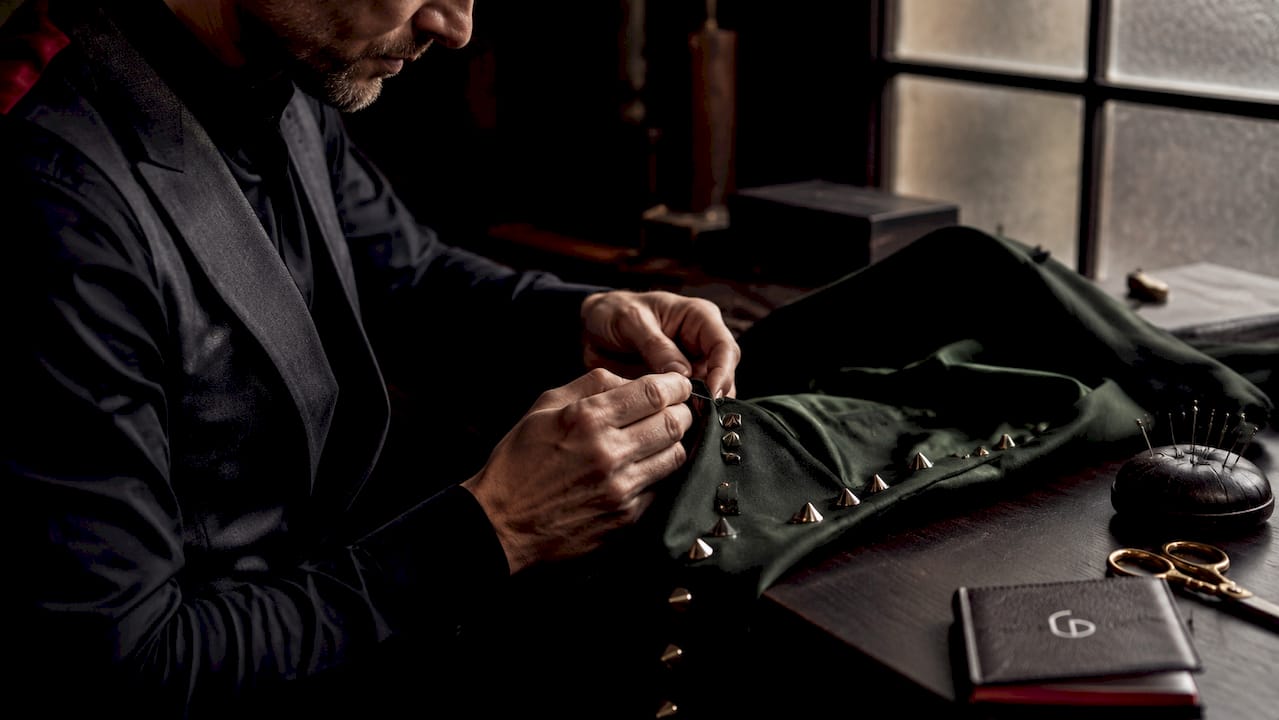
Fabric weight and density are the first indicators. Luxury garments typically feature higher GSM fabrics, reinforced seams, and superior colour fastness, all of which extend a garment's lifespan significantly. A higher GSM (grams per square metre) means the cloth holds its structure through repeated wear and washing. A lower GSM fabric pills, distorts, and loses its drape within months.
Construction technique separates a garment built to last from one built to sell. French seams, where the raw edge is enclosed within a second fold of fabric, prevent fraying and add structural strength. Reinforced stitching at stress points, such as armholes and pocket openings, prevents the tearing that renders cheap garments unwearable. These details are invisible when a garment is new. They become decisive after a year of use.
Design integrity means a garment was conceived to remain relevant beyond a single season. Timeless cuts, considered proportions, and restrained detailing age well. Trend-driven pieces, by contrast, carry an expiry date built into their silhouette.
- Fabric weight (GSM): Higher GSM fabrics hold structure and resist pilling across repeated washes.
- Seam construction: French seams and reinforced stitching at stress points prevent premature failure.
- Colour fastness: Quality dyes resist fading, maintaining the garment's original depth of colour.
- Fit retention: Well-cut garments in quality cloth hold their shape after washing; cheap alternatives distort.
- Timeless design: Pieces conceived beyond seasonal trend cycles remain wearable for years, not months.
Pro Tip: When assessing a garment in a shop, turn it inside out. The quality of the interior finishing, the seam allowances, and the lining reveal far more than the exterior ever will.
Manufacturing transparency and material sourcing are equally reliable markers of true construction excellence. A label willing to publish its cost breakdown and supply chain has little to hide. One that does not, often does.
Does investing in quality clothing actually save money?
The cost per wear calculation is the clearest argument for quality over quantity in fashion. It works as follows: divide the purchase price of a garment by the number of times you wear it. The result is the true cost of ownership.
A £400 coat worn 80 times costs £5 per wear. A £40 coat worn 5 times costs £8 per wear. The cost per wear metric consistently favours the more expensive, durable garment when it is worn with regularity. The critical variable is usage. A quality piece worn rarely delivers poor value. A quality piece worn constantly delivers exceptional value.
| Garment | Purchase price | Estimated wears | Cost per wear |
|---|---|---|---|
| Quality coat | £400 | 80 | £5.00 |
| Fast fashion coat | £40 | 5 | £8.00 |
| Quality denim | £180 | 120 | £1.50 |
| Fast fashion denim | £25 | 8 | £3.13 |
Resale value adds another dimension. Well-made garments from reputable makers retain value in secondhand markets. Fast fashion items do not. A quality piece that you eventually sell recovers a portion of its original cost, reducing the effective cost per wear further still.
Consumers increasingly practise conscious purchasing to stretch their wardrobes amid inflation and economic uncertainty. This is not austerity. It is precision. Buying one garment that performs for five years is a more considered financial decision than buying five garments that each last a year.
Pro Tip: Before purchasing any garment, estimate honestly how many times you will wear it in the next twelve months. If the number is fewer than ten, reconsider the purchase regardless of price.
What are the environmental benefits of choosing quality over quantity?
The environmental case for quality fashion is direct. Buying fewer, longer-lasting garments reduces environmental impact more than choosing sustainable materials alone. This finding from fashion experts reframes the sustainability conversation entirely. The focus shifts from what a garment is made of to how long it is kept.
Every garment produced requires raw material extraction, water, energy, and labour. When that garment is discarded after five wears, all of those resources are effectively wasted. When it is worn for a decade, those same resources are amortised across years of use. The maths of environmental impact favour permanence.
"The most impactful action a consumer can take is to buy fewer garments and extend their use. Sustainable fabrics matter, but longevity matters more." — Fashion sustainability experts, as reported by National Geographic
Sustainability influences 25% of consumers in their purchasing decisions, but it works best when paired with quality and style. Consumers reject eco-claims when quality is sacrificed. This tells us something important: sustainability cannot be a substitute for excellence. It must accompany it.
- Extended garment life reduces the frequency of raw material extraction and manufacturing emissions.
- Reduced textile waste keeps garments out of landfill, where synthetic fibres can persist for centuries.
- Transparent supply chains support ethical labour practices and responsible material sourcing.
- Slow fashion principles align with circular economy models, where garments are repaired, resold, or repurposed rather than discarded.
The slow fashion movement, which prioritises deliberate production and conscious consumption, is not a trend. It is a correction. Quality garments are its foundation.
How to build a wardrobe around quality pieces
Building a quality wardrobe requires a deliberate strategy, not a single large purchase. The approach that works best combines investment in durable staples with selective use of secondhand and vintage markets for style experimentation.
- Identify your true staples. A well-cut coat, a structured trouser, a considered knitwear piece. These are the garments you reach for constantly. They deserve the highest quality you can afford.
- Calculate cost per wear before buying. Estimate realistic usage. A garment worn twice a week for three years delivers far better value than one worn occasionally regardless of price.
- Use secondhand markets for quality access. A deliberate mix of investment staples and secondhand luxury optimises both quality and versatility. Vintage and resale markets offer well-made garments at reduced prices, making quality accessible without full retail cost.
- Examine construction before committing. Check seam finishing, fabric weight, and stitching density. These details reveal the garment's true lifespan more reliably than brand name or price alone.
- Prioritise versatility and timelessness. A garment that works across multiple seasons and occasions delivers more value than one tied to a single trend or context.
True garment quality is revealed through transparent manufacturing and sourcing, not simply price or brand prestige. Labels that publish their production costs and material origins tend to be more reliable than those that rely on marketing alone. Seek out makers who are willing to be examined.
Key takeaways
Choosing quality over quantity in fashion is the most financially sound, environmentally responsible, and aesthetically rewarding approach to building a wardrobe that endures.
| Point | Details |
|---|---|
| Quality indicators are measurable | Assess fabric GSM, seam construction, and colour fastness rather than relying on brand name or price. |
| Cost per wear favours quality | A £400 garment worn 80 times costs less per wear than a £40 garment worn 5 times. |
| Longevity beats sustainable materials | Buying fewer garments and wearing them longer reduces environmental impact more than fabric choice alone. |
| Transparency signals integrity | Makers who publish supply chain and cost data are more reliably excellent than those who do not. |
| Deliberate strategy builds quality wardrobes | Combine investment staples with secondhand luxury to balance durability, rarity, and versatility. |
The conviction behind the cloth
We have built Jeeyodee on a single, unwavering belief: that a garment worthy of being owned is one worthy of being kept. Not for a season. Not until the next drop. Permanently.
What we observe, again and again, is that the wardrobes people return to with genuine affection are small. They contain pieces that were chosen with conviction, made with discipline, and worn until they carry the memory of the person who owns them. Ownership becomes attachment. Attachment becomes permanence.
The fashion industry produces excess by design. Volume is its business model. We reject that entirely. Every piece Jeeyodee releases is produced once, numbered individually, and never repeated. That is not a marketing position. It is a philosophical one. We believe that scarcity, when it is the result of genuine craft rather than artificial restriction, is the most honest form of luxury.
The discerning reader already understands this. You are not looking for more. You are looking for better.
— Jeeyodee
Jeeyodee: numbered luxury, made slowly
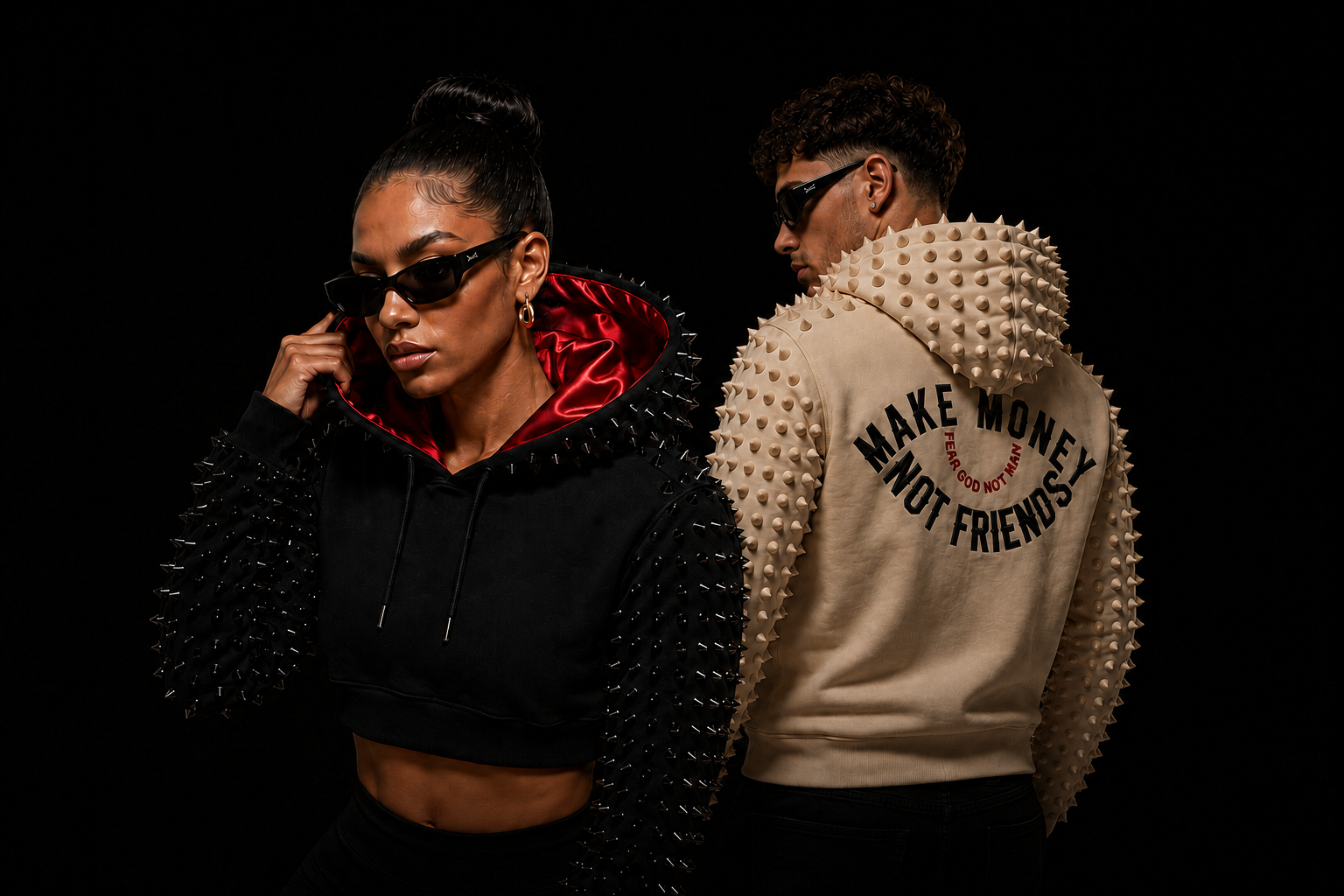
Jeeyodee was founded on the principles this article describes, taken to their furthest expression. Every garment produced at the maison is handcrafted in Italy, individually numbered, and released in a single, unrepeated drop. The materials are exceptional: heavyweight cotton, Egyptian silk linings, and meticulously aligned Italian cone studs. Nothing is mass-produced. Nothing is repeated.
The Jeeyodee collection represents a permanent record of craft, not a seasonal catalogue. Each numbered piece is a chapter, not a trend. For those who have decided that quality is the only standard worth holding, the Jeeyodee vault is where that conviction becomes something you can wear.
FAQ
What does quality over quantity mean in fashion?
Quality over quantity in fashion means owning fewer, well-constructed garments that last longer and deliver greater value than a large wardrobe of inexpensive, short-lived pieces. The principle prioritises durability, fit, and timeless design over volume.
How do I identify quality in a garment?
Examine fabric weight (GSM), seam construction, and stitching density. Higher GSM fabrics and French seams are reliable indicators of superior construction that will hold up across years of wear.
Is quality fashion better for the environment?
Buying fewer garments and wearing them longer reduces environmental impact more effectively than choosing sustainable fabrics alone. Longevity is the most powerful environmental action a fashion consumer can take.
Why are 86% of consumers prioritising quality in 2026?
86% of shoppers now prioritise quality and durability, driven by inflation, economic pressure, and a growing awareness that cheap garments cost more over time. Conscious purchasing has become the dominant consumer strategy.
Does a higher price always mean better quality?
Not necessarily. Luxury labels do not always guarantee quality; careful examination of stitching, fabric weight, and manufacturing transparency reveals true construction excellence more reliably than price or brand prestige alone.