
Exclusivity is not a marketing device. It is the structural foundation upon which luxury fashion identity is built, and it has been so for centuries. Research from Chicago Booth confirms that consumers will pay a premium of 50% or more for goods they know others desire but cannot obtain. That figure is not about vanity. It reflects something far older: the human drive to possess what is genuinely rare, to wear conviction as much as cloth. How exclusivity shapes fashion identity operates through scarcity, psychological desire, and social signalling working in concert, each reinforcing the others.
The mechanisms are worth naming clearly:
- Mimetic dominance-seeking: we assign greater value to objects precisely because others are denied them, a principle documented across luxury markets and rooted in centuries of philosophical thought.
- Social distinction: exclusive garments function as class signifiers, communicating taste, access, and belonging to those who understand the signal.
- Scarcity-driven desire: limited editions trigger primal psychological responses, including fear of missing out and social proof, that override rational purchasing decisions.
- Insider recognition: the most coveted pieces today are recognised not by the crowd, but by those who already know.
Maisons such as Hermès, with its invitation-only client events, and Jeeyodee, with its individually numbered, never-repeated garments, do not restrict access arbitrarily. They protect the integrity of what they make.
Table of Contents
- How exclusivity shapes fashion identity through inclusion and exclusion
- What marketing strategies do luxury houses use to sustain exclusivity in 2026?
- Jeeyodee's philosophy: conviction, craft, and permanence
- Key takeaways
- Jeeyodee: numbered luxury, made slowly
- FAQ
How exclusivity shapes fashion identity through inclusion and exclusion
Fashion's ingroup and outgroup dynamics are not incidental to the industry. They are its operating logic. Since the earliest couture houses of nineteenth-century Europe, the power to define what is fashionable has rested with a small, self-selecting elite. Those within the ingroup set the terms; those outside aspire toward them. This cycle is what drives fashion forward.
The tension with inclusivity is real, and it is not easily resolved. Luxury brand identity remains inherently linked to exclusion; modern maisons reconcile this not by abandoning exclusivity, but by reframing it. The goal is not mass accessibility. It is insider belonging: the sense that you have earned your place in a community defined by discernment rather than mere spending power.
Ethical criticisms of this model are legitimate. Exclusion in fashion has historically mapped onto race, class, and Eurocentrism, and the industry's record on genuine inclusion remains uneven. Yet the answer is not to dissolve exclusivity entirely. A luxury house that becomes universally accessible ceases, by definition, to be exclusive. The more honest path is to ground exclusion in craft and conviction rather than in arbitrary social hierarchies. When a garment is rare because it took three weeks to make by hand in an Italian atelier, that rarity carries moral weight. When it is rare because a brand printed fewer units to inflate resale prices, it does not.
Cultural shifts in the UK market reflect this nuance. British luxury consumers increasingly reward maisons whose exclusivity is rooted in authentic materials and craftsmanship over those relying on manufactured scarcity alone. The question discerning buyers now ask is not "how rare is this?" but "why is it rare?"
What marketing strategies do luxury houses use to sustain exclusivity in 2026?
The most effective approaches in 2026 combine controlled scarcity with narrative depth. Luxury clients increasingly seek exclusivity through insider recognition, personalised service, and limited access rather than mass visibility. In the US, 45% of luxury clients cite early product access and limited-edition drops as primary drivers of that feeling. The tactics that deliver this consistently include:
- Strictly limited drops: releasing a defined, finite quantity and never restocking creates genuine urgency without manufactured theatre.
- Geographic exclusives: allocating pieces to specific cities or flagship locations reinforces cultural alignment and makes ownership a form of cultural participation.
- Storytelling as substance: craftsmanship narratives, material provenance, and symbolic design meaning give consumers something to believe in beyond the object itself.
- Controlled digital presence: digital strategies aligned with a brand's positioning can strengthen exclusivity rather than dilute it. Hermès benefits from invitation-only digital experiences; Louis Vuitton from open communities; Chanel from selective engagement. Each approach reflects the brand's positioning rather than a generic template.
- Brand-led communities: private, curated spaces where members feel recognised, not merely marketed to.
The risk of overreliance on hype is well documented. Constant scarcity-driven releases can erode the very identity they were meant to protect, shifting consumer perception from timeless to trend-driven. Successful houses treat limited editions as one instrument within a broader composition, not the entire score.
Pro Tip: When evaluating a brand's exclusivity strategy, ask whether the scarcity is a consequence of how something is made, or a decision made after production. The former builds lasting equity; the latter tends to breed scepticism among exactly the clients a luxury house most needs to retain.
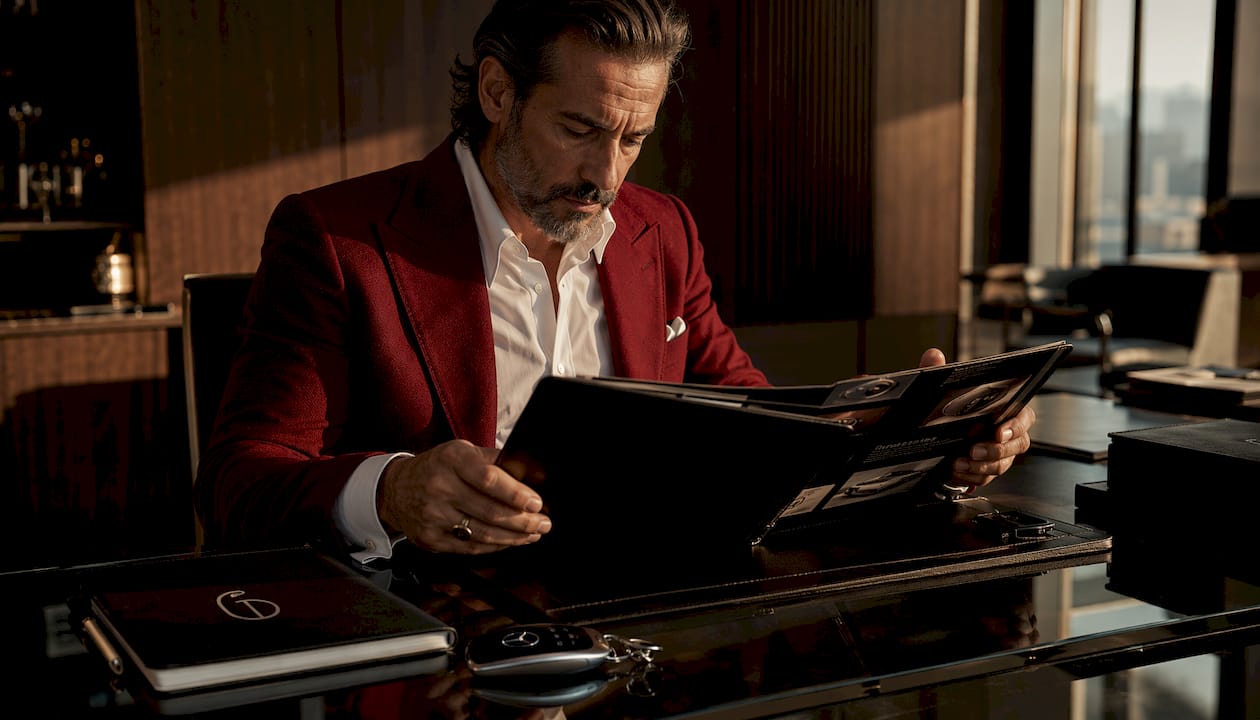
Emerging European luxury labels are navigating this balance with particular care. Insight into exclusivity-driven brand equity across the continent shows that the most durable positions belong to houses whose rarity is structural, not staged.
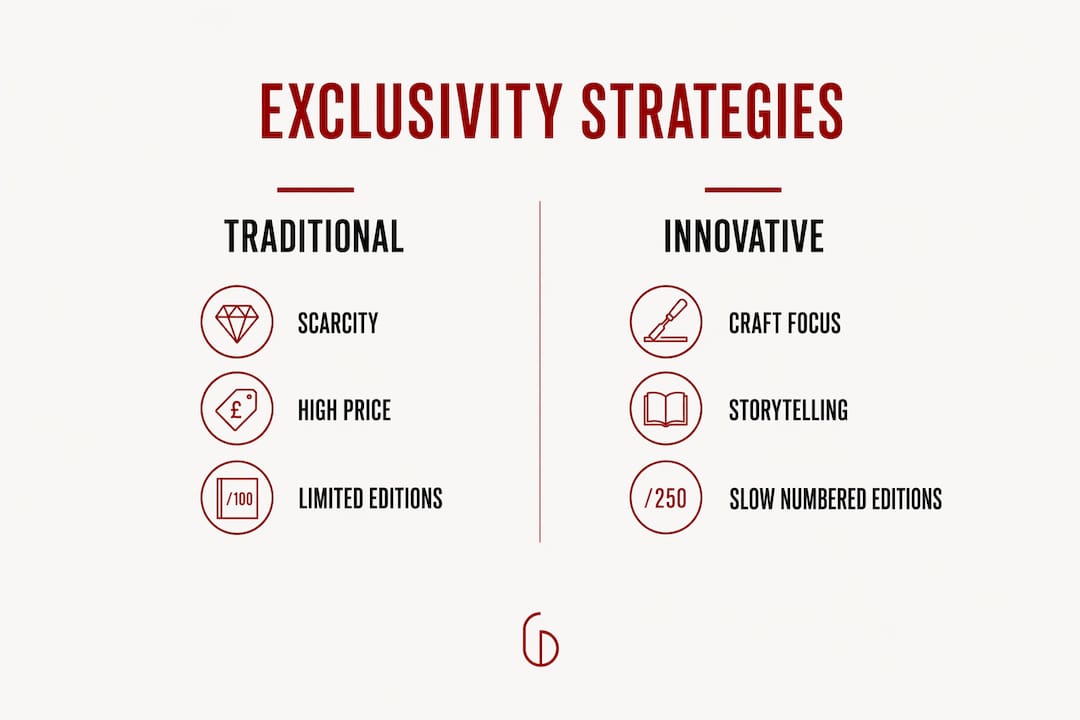
Jeeyodee's philosophy: conviction, craft, and permanence
Jeeyodee was founded on a single, uncompromising conviction: that a garment worthy of being owned must be worthy of being kept. Every piece produced by the maison is handcrafted in Italy, individually numbered, and released in a strictly limited edition that is never reproduced. The Thorns variants, hand-finished with meticulous Italian cone studs and lined in Egyptian silk, are not products in the conventional sense. They are objects with a fixed place in the world, each one a singular expression of the atelier's discipline.
The materials carry meaning. Egyptian silk hood linings are not chosen for their luxury associations alone, but for what they represent: a refusal to compromise at the point where no one would notice. The numbered production policy is similarly deliberate. When you own a Jeeyodee piece, you own one of a defined, finite number of identical objects. That number is printed. It does not change. Ownership, in this context, becomes something closer to stewardship.
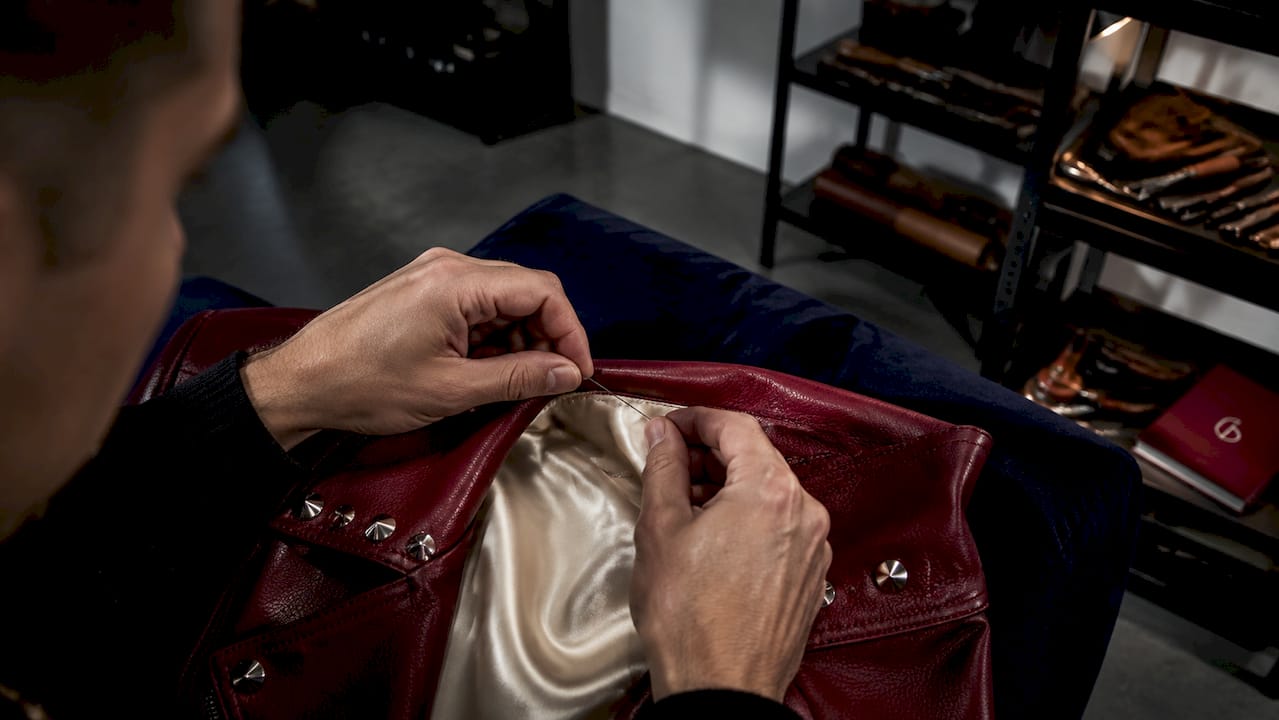
This philosophy aligns with what consumers increasingly value: qualitative storytelling and craftsmanship narratives as the true foundation of luxury exclusivity. The maison's approach to limited fashion value is not about withholding. It is about making something so considered that repetition would diminish it. Jeeyodee occupies a position within the broader luxury market that honours both tradition and a distinctly modern understanding of what it means to make something rare.
Key takeaways
Exclusivity shapes fashion identity by fusing psychological desire, social signalling, and authentic rarity into a single, coherent proposition that no mass-produced garment can replicate.
| Point | Details |
|---|---|
| Premium willingness | Consumers pay a premium of 50% or more for exclusive goods driven by mimetic dominance-seeking. |
| Insider belonging | Modern luxury houses build exclusivity through insider recognition and personalised access, not mass restriction. |
| Craft over artifice | Natural rarity rooted in materials and craftsmanship sustains brand equity; virtual scarcity risks consumer scepticism. |
| Digital alignment | Brands like Hermès use invitation-only digital experiences to strengthen, not dilute, their exclusivity online. |
| Jeeyodee's model | Jeeyodee produces each garment once, numbered and never reproduced, grounding exclusivity in permanence and Italian craft. |
Jeeyodee: numbered luxury, made slowly

Jeeyodee is not an alternative to mass luxury. It is a different proposition entirely. Where other houses manage exclusivity as a positioning exercise, Jeeyodee builds it into the structure of every garment: the numbered edition, the Egyptian silk lining, the hand-finished Italian studs, the manifesto that travels with each piece. Nothing is restocked. Nothing is repeated. The edition exists, and then it is closed.
For those who understand that authentic exclusive fashion is defined by what a house refuses to do as much as by what it creates, Jeeyodee offers something genuinely rare: a garment that will never be diluted by a second run, a third colourway, or a sale. Each drop is an act of conviction.
Visit jeeyodee.store to see the current edition before it closes.
FAQ
How do luxury brands create exclusivity?
Luxury brands create exclusivity through restricted distribution, high price points, limited-edition releases, and invitation-only experiences. Digital strategies aligned with brand positioning, such as Hermès' invite-only online access, can reinforce rather than undermine this exclusivity.
How does fashion influence identity?
Fashion functions as a system of social signalling, allowing individuals to communicate status, taste, and group belonging through what they wear. Luxury fashion, in particular, enables consumers to express uniqueness while affirming membership in an aspirational community.
How do rarity and exclusivity influence perceived value in luxury?
Natural rarity rooted in craftsmanship positively influences functional, emotional, and social perceived value, while virtual or artificial rarity tends to show negative effects on emotional and social value. Consumers distinguish between the two, rewarding genuine scarcity and penalising manufactured restriction.
Is exclusivity a marketing strategy?
Exclusivity is both a structural property of luxury goods and a deliberate marketing approach. The most enduring maisons treat it as the former: scarcity that arises from how something is made, not from how many units were printed. Jeeyodee's policy of producing each garment once and never reproducing it is an example of exclusivity as conviction rather than tactic.