
TL;DR:
- Truly unique clothing is crafted with careful handwork, limited editions, and special materials. These features create garments that last longer, tell a story, and reflect deliberate decisions. Personal style and sustainable practices further enhance the distinctive value of such clothing.
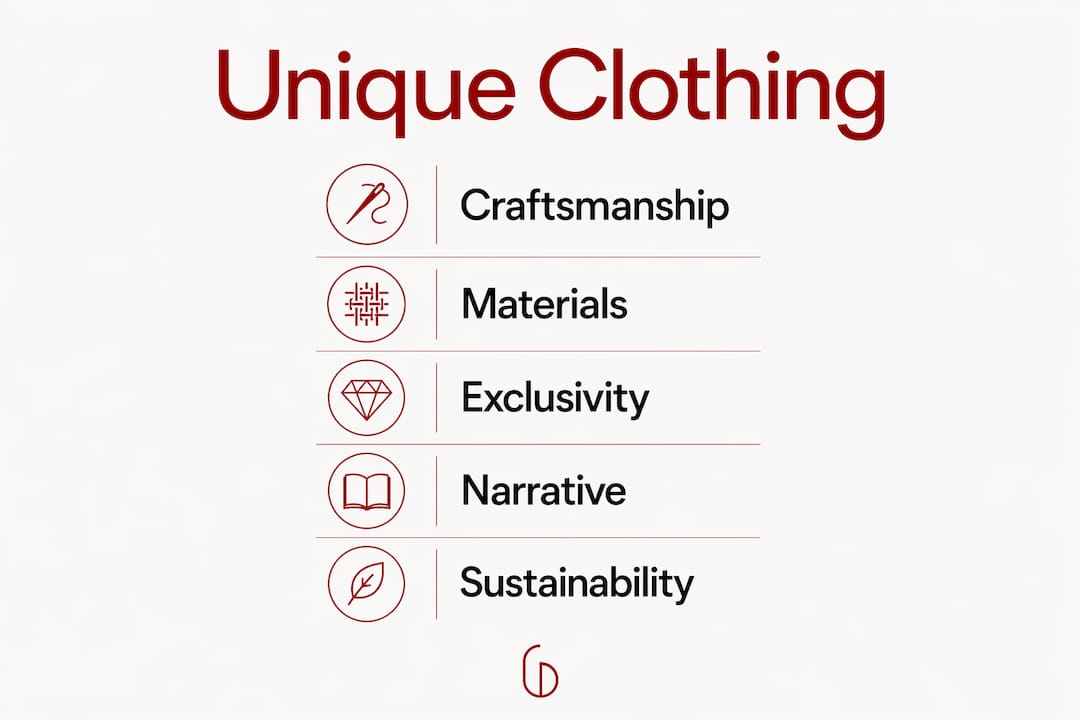
Truly unique clothing is defined by the convergence of exceptional craftsmanship, deliberate scarcity, and a narrative that cannot be replicated by any machine or mass production line. These are not aesthetic preferences. They are the structural conditions that separate a garment worth keeping for a generation from one discarded after a season. The characteristics of unique clothing include hand-finished construction, material integrity, and a design philosophy that places conviction above trend. Understanding what makes clothing stand out requires looking beyond the label and into the decisions made at every stage of creation. This guide examines those decisions with the precision they deserve.
What are the key characteristics of truly unique clothing?
Unique clothing is distinguished first by its construction. Visible irregularities such as hand-stitching and natural fabric dye variations are markers of authenticity, separating artisanal garments from the uniform output of industrial production. These are not flaws. They are evidence of human skill applied with intention, and practitioners in the craft world accept them as deliberate marks of origin.
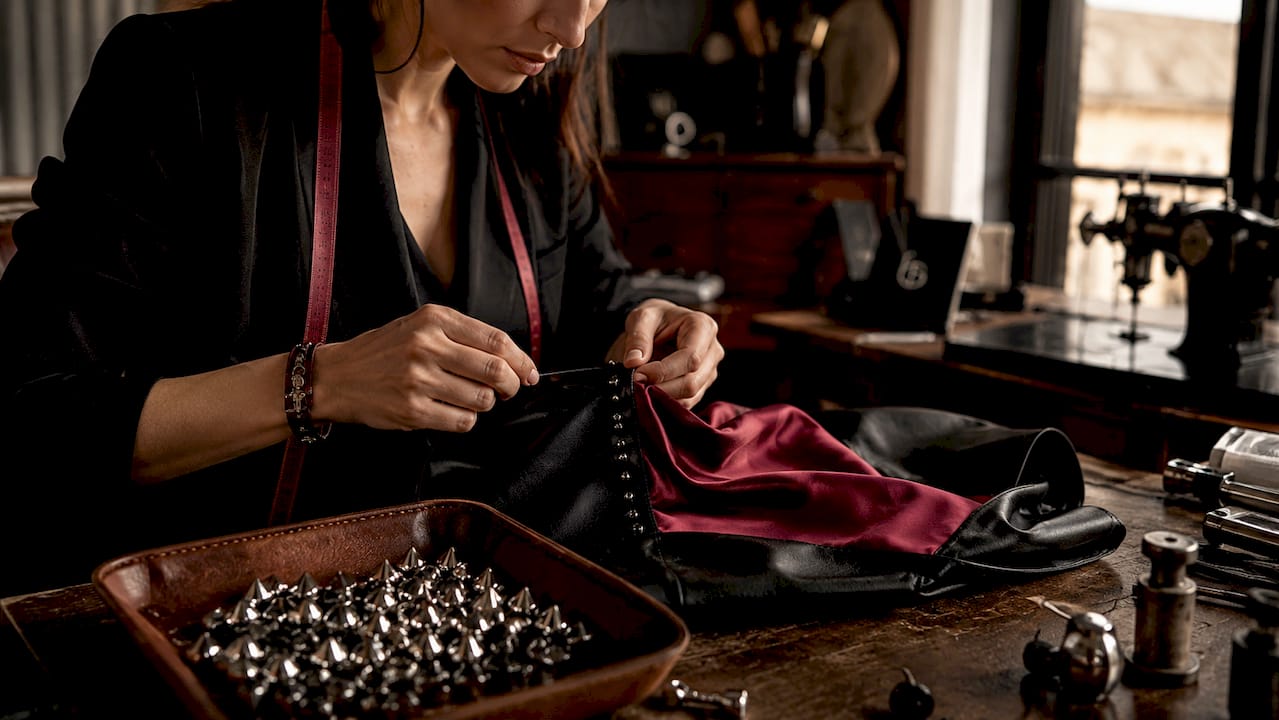
Material selection is the second defining factor. Exceptional fabrics carry their own history. Egyptian silk, for instance, possesses a lustre and weight that synthetic alternatives cannot approximate. Italian cone studs, when meticulously aligned by hand, create a surface quality that reads differently under every light. These material choices are not decorative. They are structural commitments to permanence.
Design exclusivity operates as the third pillar. Limited production is not simply a marketing position. It is an ethical and creative discipline. When a garment is produced in a numbered edition and never repeated, it acquires a permanence that mass-produced apparel cannot claim. High product uniqueness enhances sustainability by encouraging longer ownership cycles and increasing secondary market value through distinctive attributes and artisanal narratives. That finding carries a practical implication: the more irreproducible a garment, the more its owner tends to care for it.
The fourth characteristic is narrative. True luxury is defined more by the story and handmade skill invested than by price, fostering a deeper, evolving bond between owner and garment. A piece that carries the story of its maker, its materials, and its moment of creation becomes something more than clothing. It becomes a permanent chapter in the wearer's personal history.
Pro Tip: When evaluating a garment's authenticity, turn it inside out. The quality of interior finishing, lining, and seam work reveals far more about craftsmanship than the exterior ever will.
The defining features of original clothing, taken together, form a coherent argument: uniqueness is not accidental. It is the result of deliberate choices made at every stage of production, from fibre selection to final numbering.
How does personal style shape the uniqueness of what you wear?
Personal style is not a wardrobe category. It is a consistent set of decisions that, over time, creates a recognisable identity. The elements of distinctive apparel only become fully realised when worn by someone who understands their own aesthetic with clarity.
The process of discovering that aesthetic begins with rigorous self-examination. Auditing your most-worn wardrobe items and curating a mood board of 30–40 images helps distil your unique style into three defining adjectives, guiding future clothing choices. That exercise is more demanding than it sounds. Most people discover that their actual preferences diverge significantly from what they believed they liked.
Once those adjectives are identified, the next step is building what stylists call a personal uniform. Developing a personal uniform with a few signature details and discarding incongruous items reduces decision fatigue and reinforces unique style identity. The uniform is not monotony. It is discipline applied to self-expression.
The subtler dimension of personal style lies in micro-techniques. Stylists note that the 'how' of wearing clothes using micro-techniques is more impactful than the 'what,' showing that subtle styling habits form recognisable signatures. The way you fold a cuff, the angle at which you wear a collar, the deliberate choice to leave one button undone: these details are processed by observers within seconds and register as identity markers long before any label is noticed.
Signature styling habits such as specific cuff-turning or layering choices form subtle, consistent markers of style, helping create a memorable personal fashion identity. The implication is significant. Uniqueness in fashion is not solely a property of the garment. It is co-created by the person who wears it with conviction.
In what ways do sustainable practices contribute to truly unique clothing?
Sustainability and uniqueness are not separate conversations. They are expressions of the same underlying value: that a garment should be worth making, worth owning, and worth keeping.
Sustainability in unique clothing overlaps with ethical production, small-batch making, lower waste processes, and transparency about materials and makers. Each of these factors contributes to responsible luxury and to the distinctive value of the garment itself. A piece produced in a small batch, with full transparency about its origins, carries a different weight than one manufactured anonymously at scale.
Scarcity, when it arises from ethical constraint rather than artificial inflation, becomes a form of integrity. The decision to produce less, to use materials responsibly, and to pay artisans fairly is reflected in the finished object. You can sense it in the density of the fabric and the precision of the finish. These qualities are not incidental. They are the direct consequence of principled production.
Garment longevity is the third dimension of this relationship. A piece made with exceptional materials and honest construction resists the wear that disposable fashion cannot. It can be repaired, altered, and passed on. That repairability is itself a form of uniqueness. It means the garment accumulates a personal history rather than being replaced by the next trend cycle. Exploring responsible luxury fashion reveals how transparency and traceability have become the new markers of genuine value in the contemporary luxury space.
What practical steps help you identify and embrace truly unique clothing?
Identifying unique garments requires a trained eye and a willingness to slow down. The fashion industry rewards speed. Genuine uniqueness rewards patience.
Begin with construction. Examine seams, interior finishing, and the behaviour of the fabric when held to the light. Artisan clothing reveals its uniqueness through considered embroidery, texture, fit, and design perspective rather than volume production. A garment that has been constructed with care behaves differently in the hand. It has weight, memory, and a quality of surface that machine-made equivalents cannot replicate.
Prioritise fit and texture over branding. A garment that fits your body with precision, regardless of its label, will always read as more distinctive than an oversized logo piece worn without intention. Texture, similarly, communicates quality before any other detail. The difference between heavyweight cotton and a standard jersey is immediately legible to anyone paying attention.
Seek out limited editions and numbered pieces. When a garment carries a production number, it carries a commitment. The maker has declared that this specific object will not be repeated. That declaration changes the relationship between wearer and garment. Understanding why luxury garments last longer through fabric, craft, and conviction provides a useful framework for evaluating any piece you consider adding to your wardrobe.
Pro Tip: Before purchasing any garment presented as unique or limited, ask the maker or retailer for specific details about production numbers, materials, and country of manufacture. Genuine makers answer these questions without hesitation.
Finally, maintain what you own. Unique clothing requires care proportional to its quality. Cedar storage, professional cleaning, and timely repair are not indulgences. They are the minimum commitment owed to a garment made with exceptional skill.
Key takeaways
Truly unique clothing requires craftsmanship, deliberate scarcity, personal conviction, and sustainable production to achieve lasting value beyond seasonal fashion.
| Point | Details |
|---|---|
| Craftsmanship is the foundation | Hand-stitching, natural fabric variations, and interior finishing distinguish artisanal garments from mass-produced alternatives. |
| Scarcity creates permanence | Numbered, limited editions encourage longer ownership and build secondary market value through irreproducibility. |
| Personal style completes uniqueness | Micro-techniques and signature habits co-create distinctiveness alongside the garment itself. |
| Sustainability and uniqueness align | Small-batch, transparent production produces garments with greater longevity, repairability, and emotional resonance. |
| Construction reveals character | Evaluating seams, texture, and interior quality is the most reliable method for identifying genuinely distinctive apparel. |
The philosophy behind numbered luxury
We have spent years thinking about what separates a garment that endures from one that disappears. The answer is never the price. Price is a number. What endures is the decision behind the object: the choice to use a specific silk because it behaves in a way no synthetic can, to align each stud by hand because the machine cannot feel the difference, to number each piece because the maker believes it deserves to be counted.
The fashion industry has a persistent habit of confusing volume with value. It produces more, faster, and louder, and calls the result desirable. We find that unconvincing. The garments that stay with people, that accumulate meaning and resist disposal, are always the ones made slowly, with materials chosen for their character rather than their cost efficiency.
What we have come to understand is that uniqueness is not a feature you add to a garment. It is the residue of every honest decision made during its creation. The role of craftsmanship in fashion is not nostalgic. It is the only reliable path to producing something that genuinely stands apart. Luxury and uniqueness are shifting away from ostentation toward authentic craftsmanship and nuanced personal storytelling in garments. We believe that shift is permanent, and we have built everything around it.
— Jeeyodee
Jeeyodee: numbered luxury, made slowly
Every piece produced by Jeeyodee is handcrafted in Italy, individually numbered, and made once. The Thorns collection, with its hand-finished variants, heavyweight cotton construction, and deep red Egyptian silk interior, represents what we mean when we speak of a garment that cannot be repeated.
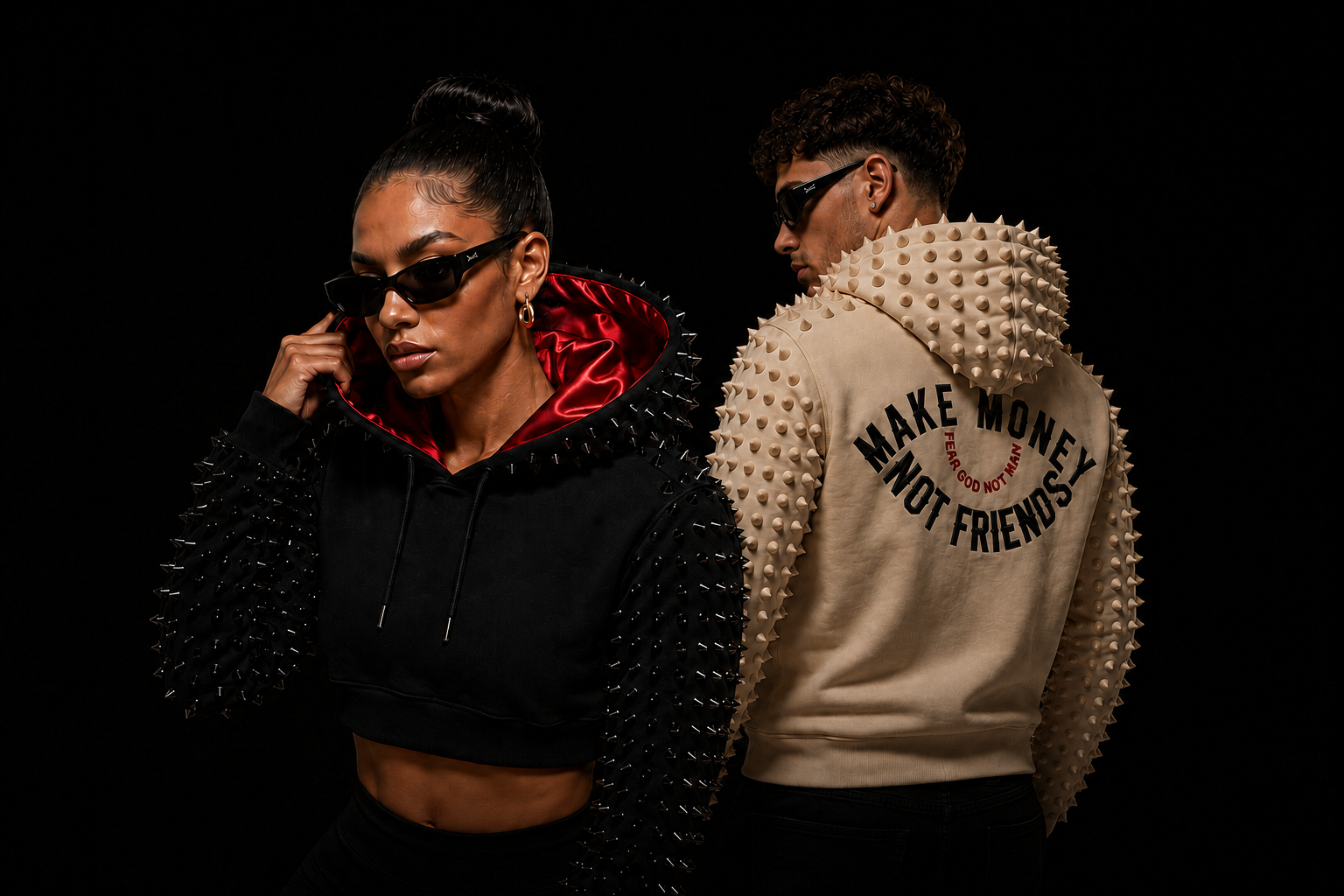
Jeeyodee does not produce seasons. It produces permanent objects. Each drop is accompanied by a manifesto that traces the origin of every material used, because we believe the story of a garment is inseparable from its value. If you are looking for clothing that holds its meaning beyond the moment of purchase, explore the collection at Jeeyodee. These are not garments made to be replaced. They are made to be kept.
FAQ
What defines truly unique clothing?
Truly unique clothing is defined by hand-finished craftsmanship, limited or numbered production, exceptional materials, and a design narrative that cannot be replicated by industrial methods.
How can I identify genuine craftsmanship in a garment?
Examine interior seams, lining quality, and surface texture. Visible hand-stitching and natural fabric irregularities are reliable indicators of artisanal construction rather than machine production.
Does personal style affect how unique a garment appears?
Personal style significantly amplifies garment uniqueness. Micro-styling techniques such as specific layering habits and cuff-turning create a recognisable identity that observers register within seconds.
Why does sustainable production contribute to uniqueness?
Small-batch, ethically produced garments are inherently scarcer and more traceable. That transparency, combined with superior construction, creates pieces with greater longevity and stronger emotional connection for the wearer.
What is a numbered edition garment?
A numbered edition garment carries a specific production number confirming it is one of a finite quantity, produced once and never repeated. This commitment to scarcity is a defining feature of collectible luxury fashion.