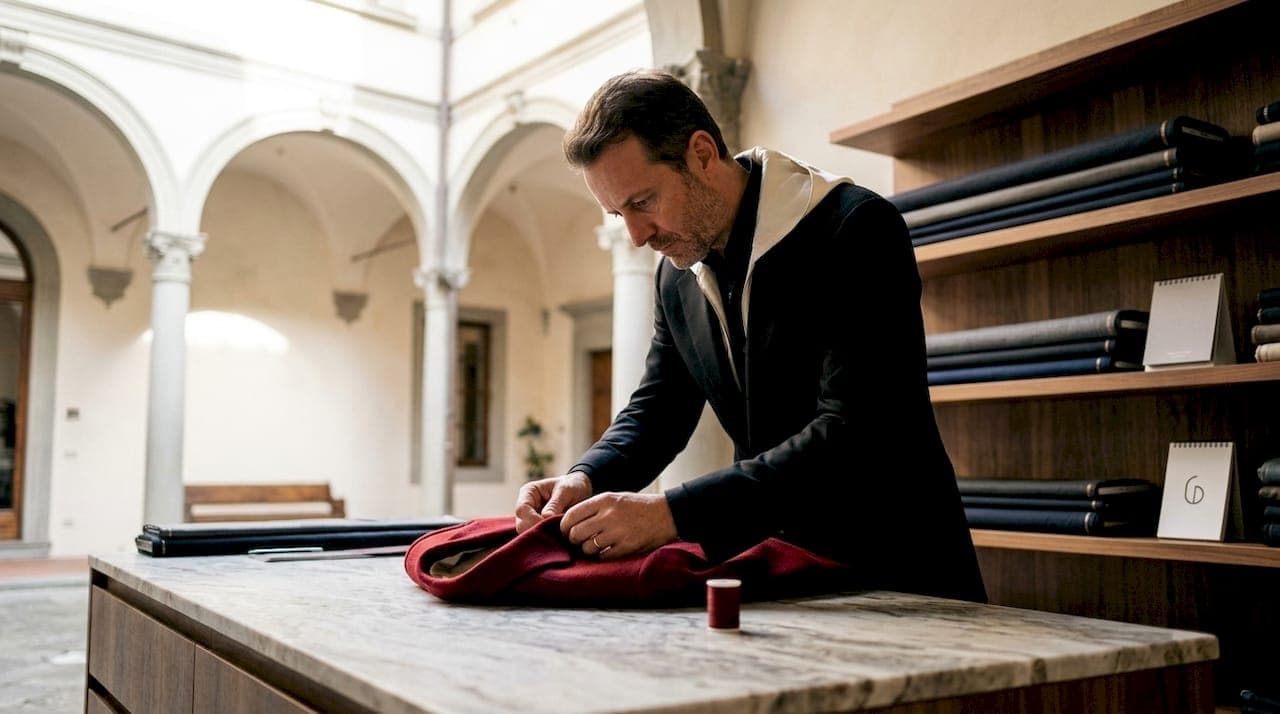
TL;DR:
- Luxury garments last longer due to the superior raw materials and disciplined craftsmanship involved in their production. High-quality fibers and precise sourcing ensure durability, while construction techniques like French seams enhance repairability and longevity. Proper care, including gentle storage and minimal washing, further extends the life of these well-made pieces.
Luxury garments are defined by their capacity to endure. Where mass-produced clothing degrades within seasons, a well-made luxury piece holds its form, colour, and character across years, even decades. 71% of luxury consumers prioritise high product quality, and 62% rank fabric quality as a primary purchase driver. Those figures are not merely about preference. They reflect a fundamental truth: the reason why luxury garments last longer begins with the materials chosen and the discipline applied at every stage of production. Craftsmanship, sourcing, and construction are not finishing touches. They are the architecture of permanence.
Why luxury garments last longer: the role of superior raw materials
The foundation of any enduring garment is the fibre from which it is made. Luxury apparel relies on extra-long staple cotton, such as Egyptian or Pima varieties, which produce stronger, smoother threads that resist pilling and disintegration over time. These fibres are longer than those used in mass-market production, which means fewer joins in the yarn, less friction between threads, and a fabric that holds together under repeated wear and washing.
Mass-market garments typically use short-staple cotton or synthetic blends chosen for cost efficiency rather than performance. Short fibres pill quickly, lose their shape after washing, and develop a worn appearance within months. The contrast is not subtle. A shirt made from Egyptian cotton feels different on the first wearing and looks different after the fiftieth.
Beyond cotton, luxury fashion draws on premium wools and exclusive silks that age with character rather than degrading rapidly. Merino wool, for instance, retains its structure and softness through years of wear. Fine silk develops a deeper lustre with time. These materials do not simply resist deterioration. They improve with it. That quality of graceful ageing is entirely absent from synthetic alternatives.
Colour retention is another marker of material quality. Advanced dyeing methods used in luxury production hold pigment significantly better over time, preventing the fading that makes fast-fashion pieces look exhausted after a handful of washes. The dye penetrates the fibre more deeply and bonds more permanently, which is a direct consequence of using higher-grade raw materials that accept dye more consistently.
- Extra-long staple cotton resists pilling and maintains thread integrity across repeated washes.
- Premium wools and silks develop character with age rather than losing structural integrity.
- Advanced dyeing techniques produce colour that holds across years of wear.
- Natural fibres offer superior breathability, reducing the stress placed on fabric during daily use.
Pro Tip: When assessing what defines luxury quality fabric, examine the hand of the cloth before anything else. A fabric that feels dense, smooth, and weighted without stiffness is almost always constructed from longer, finer fibres.
How does craftsmanship and construction extend garment lifespan?
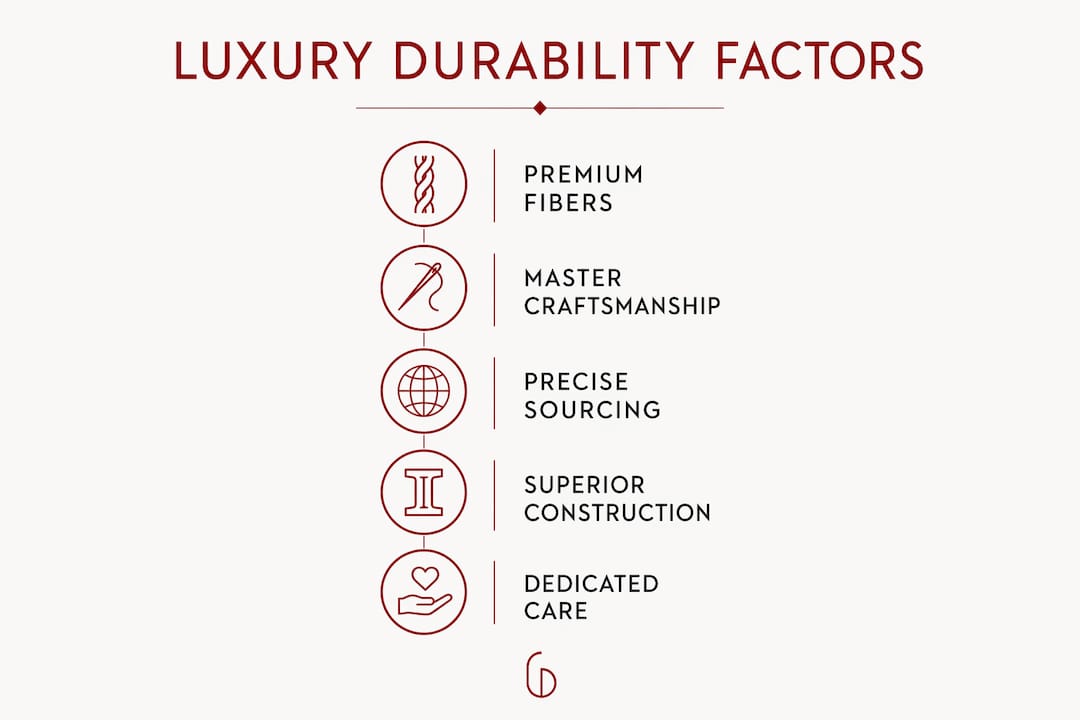
Material quality alone does not determine longevity. The manner in which a garment is constructed determines whether those materials reach their potential or fail prematurely. Luxury construction relies on techniques that distribute stress across the garment rather than concentrating it at weak points.
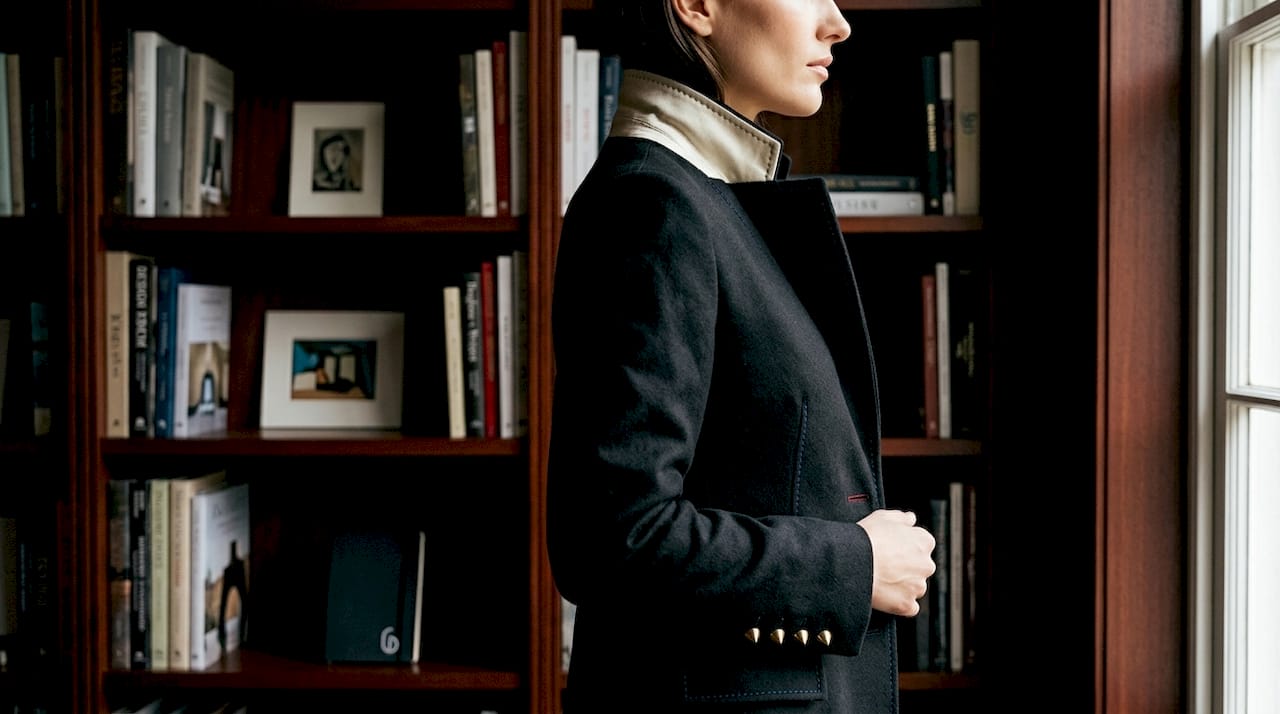
French seams enclose raw fabric edges entirely within a second fold of cloth, eliminating the fraying that causes mass-produced seams to unravel. Double-stitched seam allowances reinforce stress points at armholes, cuffs, and waistbands. These are not decorative choices. They are structural decisions that extend the functional life of a garment by years.
Invisible construction details such as high seam allowances and floating canvases serve a further purpose: they allow skilled tailors to alter a garment as the wearer's body or preferences change. A jacket with generous seam allowances can be let out or taken in without compromising the silhouette. That capacity for alteration is itself a form of longevity, because it means the garment remains wearable across life's changes.
Hardware matters as much as stitching. Premium buttons, cast from horn, shell, or solid metal, resist cracking and discolouration. High-grade zippers, sourced from specialist manufacturers, operate smoothly for years without snagging or splitting. Mass-produced alternatives use plastic components that degrade quickly under friction and temperature change.
- Inspect seam construction first. French seams and double-stitched allowances signal genuine structural investment.
- Check seam allowances. Generous allowances indicate the garment was built to be altered and maintained.
- Assess hardware quality. Horn, shell, and solid metal components outlast plastic by a considerable margin.
- Look for fabric stabilisation treatments such as pre-shrinking and precise finishing, which preserve fit and textile consistency across multiple washes.
- Examine hand-finishing at collar points, cuffs, and hems. Irregular, deliberate stitching indicates human attention rather than machine uniformity.
Pro Tip: Turn a luxury garment inside out before purchasing. The interior finish reveals the true standard of construction. Exposed raw edges and uneven stitching are immediate disqualifiers, regardless of how the exterior presents.
Why does precise fabric sourcing matter for luxury quality?
Fabric sourcing is not a logistical concern. It is a core brand control mechanism in luxury fashion, one that determines quality, consistency, and the commercial viability of each collection. The role of material sourcing in luxury fashion extends far beyond selecting a cloth. It governs the entire production chain.
Luxury brands face sourcing constraints that mass-market producers never encounter. Dye-lot variations, limited mill availability, and exclusive fabric runs create production risks unique to small-batch luxury apparel. A single dye-lot inconsistency can render an entire fabric order unusable. A mill that produces a signature cloth exclusively for one house cannot scale production on demand.
| Sourcing challenge | Impact on luxury production | Mitigation strategy |
|---|---|---|
| Dye-lot variation | Colour inconsistency across a single run | Early commitment to full fabric orders |
| Mill capacity limits | Fabric shortages mid-production | Holding inventory from exclusive mills |
| Exclusive fabric runs | No reorder possible once stock is exhausted | Single-drop production model |
| Fibre quality variance | Inconsistent hand and performance | Direct mill relationships and quality audits |
Luxury brands address these constraints by committing to early fabric orders and holding inventory to secure exclusive mills and maintain stringent material standards. That commitment has a direct consequence for the consumer: every piece within a collection is made from the same cloth, cut from the same dye lot, and finished to the same standard. Consistency of this kind is structurally impossible in mass production.
Sourcing handmade luxury garments online requires understanding this upstream discipline. A maison that controls its fabric sourcing controls its quality. One that does not is subject to the same compromises as any volume producer, regardless of its price point.
How does garment care extend the life of luxury pieces?
Proper care is the final act of respect a wearer owes to a well-made garment. Expert guidance confirms that storage, washing frequency, and timely repair substantially prolong luxury garment lifespan. The construction and materials that make a piece exceptional also make it responsive to care, for better or worse.
Washing frequency is the most common source of unnecessary degradation. Luxury fabrics, particularly wools and silks, do not require washing after every wear. Airing a garment between wears removes surface odours and allows fibres to recover their natural shape. Over-washing accelerates fibre breakdown and colour loss, even with high-quality dyes.
- Store knitwear folded, never hung. Hanging stretches the shoulder and distorts the silhouette permanently.
- Use cedar blocks or breathable garment bags for long-term storage. Mothballs damage fine fibres over time.
- Address minor repairs immediately. A loose button or a small pulled thread costs minutes to fix and hours to regret if ignored.
- Dry-clean tailored pieces only when necessary, and always use a specialist who understands luxury construction.
Pro Tip: Steam rather than iron fine fabrics wherever possible. Direct heat from an iron can flatten the natural loft of wool and silk, reducing the very texture that signals quality.
What is the real cost-per-wear argument for luxury clothing?
Cost per wear is the total price of a garment divided by the number of times it is worn. The calculation reframes the apparent expense of luxury clothing entirely. A luxury jacket worn 100 times achieves a cost per wear as low as £5, which compares favourably with a fast-fashion equivalent purchased repeatedly across the same period.
The environmental argument follows the same logic. A garment worn for a decade occupies landfill once. A fast-fashion replacement cycle occupies landfill many times over, with each discarded piece carrying the full environmental cost of its production. Durability is not only a financial advantage. It is the most direct form of responsible luxury fashion available to a conscious consumer.
Resale value reinforces the investment case. Luxury pieces from recognised houses retain a meaningful proportion of their original value, particularly limited editions and hand-finished pieces. Fast-fashion garments carry no resale value whatsoever. The secondary market for quality clothing is a direct reflection of the conviction built into the original construction.
The principle of quality over quantity is not a lifestyle preference. It is a financial and environmental position supported by the arithmetic of cost per wear and the reality of garment lifespan.
Key takeaways
Luxury garments last longer because superior raw materials, disciplined construction, and precise fabric sourcing combine to produce clothing that resists degradation, retains its character, and rewards careful ownership.
| Point | Details |
|---|---|
| Material quality determines longevity | Extra-long staple cotton, premium wool, and fine silk resist pilling, fading, and structural failure. |
| Construction technique extends lifespan | French seams, high seam allowances, and quality hardware allow repair, alteration, and decades of wear. |
| Fabric sourcing governs consistency | Early mill commitments and exclusive fabric runs ensure every piece meets the same exacting standard. |
| Care preserves what craft creates | Correct storage, minimal washing, and timely repair protect the investment built into each garment. |
| Cost per wear justifies the price | A luxury piece worn consistently over years costs less per wearing than repeated fast-fashion replacements. |
Permanence is not accidental
We have spent considerable time inside the question of why luxury garments last longer, and the answer is always the same: permanence is a decision made before a single thread is cut. It lives in the choice of mill, the selection of fibre, the patience of the hand that finishes a seam.
What the industry rarely acknowledges is that most garments described as luxury are not built to last. They carry the price of luxury without the conviction. The difference becomes apparent not at the point of purchase but at the point of wear, after the first wash, after the first season, after the first year. A garment built with genuine discipline reveals itself slowly. One built for appearance alone reveals itself just as quickly.
We believe that ownership should become attachment. A piece you reach for because it fits better than anything else you own, because the weight of the cloth feels considered, because the interior finish tells you something about the person who made it. That is not sentiment. That is the result of decisions made upstream, at the mill, at the cutting table, at the atelier bench.
The garments that survive generations are not the ones that looked impressive on a hanger. They are the ones built with the quiet conviction that the person wearing them deserved something that would last.
— Jeeyodee
Garments built to outlast the moment
Every piece in the Jeeyodee collection is produced once and never repeated. Each garment is handcrafted in Italy, individually numbered, and made from materials chosen for permanence rather than convenience. The heavyweight cotton carries the density of considered production. The Egyptian silk hood lining is not decoration. It is a statement about what the interior of a garment deserves.
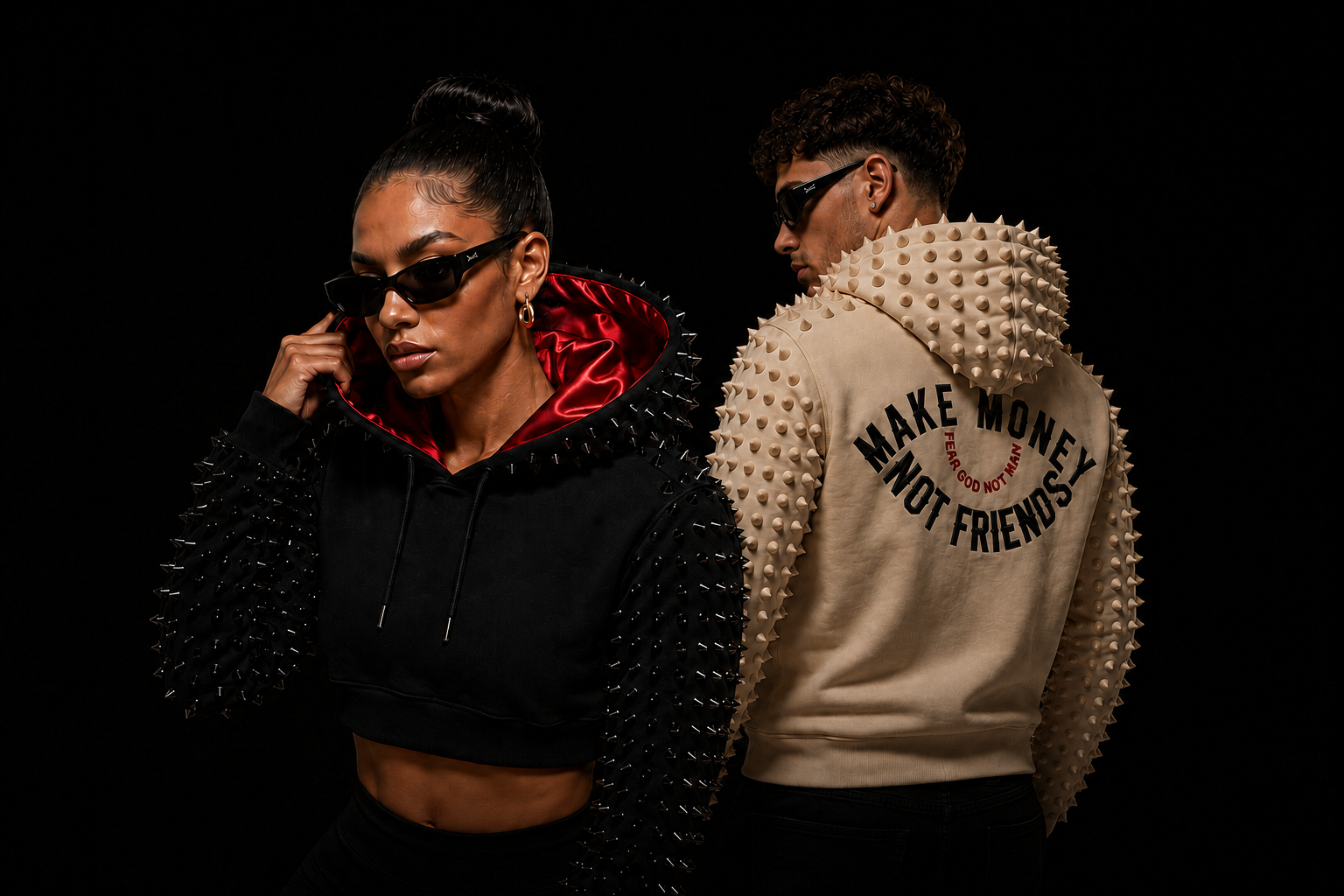
Jeeyodee does not produce volume. Each drop is a finite chapter, closed the moment it sells. The Italian cone studs are aligned by hand. The seams are finished to a standard that holds. If you are looking for clothing built with the discipline this article describes, the maison is the place to begin.
FAQ
Why do luxury garments last longer than fast fashion?
Luxury garments use higher-grade raw materials, reinforced construction techniques, and precise finishing processes that mass-produced clothing does not. These factors combine to produce pieces that resist pilling, fading, and structural failure across years of wear.
What defines luxury quality fabric?
Luxury quality fabric is defined by fibre length, weave density, and dyeing method. Extra-long staple cotton, fine merino wool, and pure silk are the benchmark materials, each chosen for strength, breathability, and the capacity to age with character rather than degrading rapidly.
How does fabric sourcing affect luxury garment quality?
Fabric sourcing determines consistency across an entire collection. Luxury brands commit to exclusive mill relationships and early fabric orders to eliminate dye-lot variation and secure materials that meet a fixed standard, which is structurally impossible in high-volume production.
Are luxury garments worth the investment?
A luxury jacket worn 100 times achieves a cost per wear as low as £5, which compares favourably with repeated fast-fashion purchases across the same period. Resale value and environmental impact further strengthen the case for considered investment in durable clothing.
How should I care for luxury garments to extend their lifespan?
Air luxury pieces between wears rather than washing after every use, store knitwear folded rather than hung, and address minor repairs immediately. These practices preserve the fabric integrity and construction quality built into each piece from the outset.