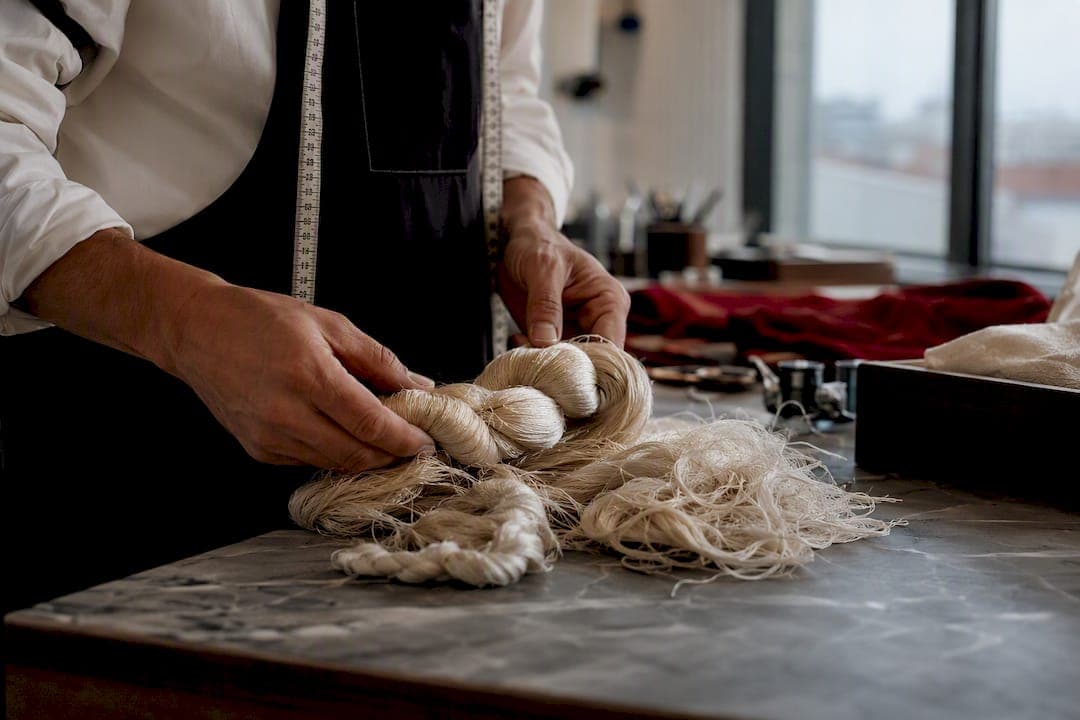
Natural fibres dominate luxury fashion for three reasons: they perform better against the skin, their scarcity and craftsmanship justify collectible pricing, and they behave fundamentally differently in the environment than synthetics ever will. Consider vicuña, whose yield is so restricted by law and biology that a single coat can represent years of accumulated fibre. Or consider merino wool, where only 0.05% of annual world production falls within the ultra-fine 13.0 to 13.8 micron range prized by tailors. These are not marketing flourishes. They are supply-chain realities that make natural fibres the foundation of genuine luxury.
What follows explains the mechanics behind that preference:
- How natural fibres behave differently against skin and in changing temperatures
- Why scarcity and artisanal process, not branding, drive luxury pricing
- What the environmental trade-offs actually are, and how to buy around them
- How to calculate real value through cost per wear
- What to check on a label before you trust it
Key Takeaways
Natural fibres earn their place in luxury fashion because superior comfort, verifiable scarcity, and genuine biodegradability combine in a way synthetics cannot replicate.
| Point | Details |
|---|---|
| Performance beats synthetics | Hygroscopic fibres like wool and silk manage moisture and odour far better than polyester or nylon. |
| Scarcity drives price | Ultra-fine merino makes up just 0.05% of global production, and vicuña yield per animal is negligible. |
| Sustainability has conditions | Natural fibres biodegrade readily, but water and pesticide use in conventional farming still matter. |
| Cost per wear beats sticker price | A durable natural-fibre garment worn many times often costs less per wear than a cheap synthetic discarded early. |
| Jeeyodee applies these principles directly | Handcrafted Italian production, Egyptian silk linings, and numbered limited drops preserve fibre integrity and build collectibility. |
Table of Contents
- Performance and wearer experience: what natural fibres do differently
- Why natural fibres mean luxury: scarcity, provenance and craft
- Environmental arguments: biodegradability, renewability and lifecycle trade-offs
- Cost, longevity and care: why a higher price can be better value
- How to judge quality and authenticity on the label
- Maison Jeeyodee: craftsmanship, provenance and how we apply these material principles
- Impact of natural fibres on skin health and allergenic properties
- Why natural fibres for eco-conscious luxury shoppers
- A collectible approach to natural-fibre craftsmanship
- Sources
- FAQ
Performance and wearer experience: what natural fibres do differently
Natural fibres absorb and release moisture in a way synthetics cannot replicate. Textile scientists call this hygroscopicity, the capacity of a fibre to take up water vapour from the surrounding air and from skin, then release it again as conditions change. Cotton, linen, wool and silk all do this to varying degrees. Polyester and nylon, by contrast, are largely non-absorbent, which is why synthetic garments trap odour and feel clammy after a few hours of wear. A peer-reviewed review of natural sustainable textile fibres confirms this comfort advantage extends across cotton, linen, hemp, silk and wool, alongside genuine benefits for skin health.
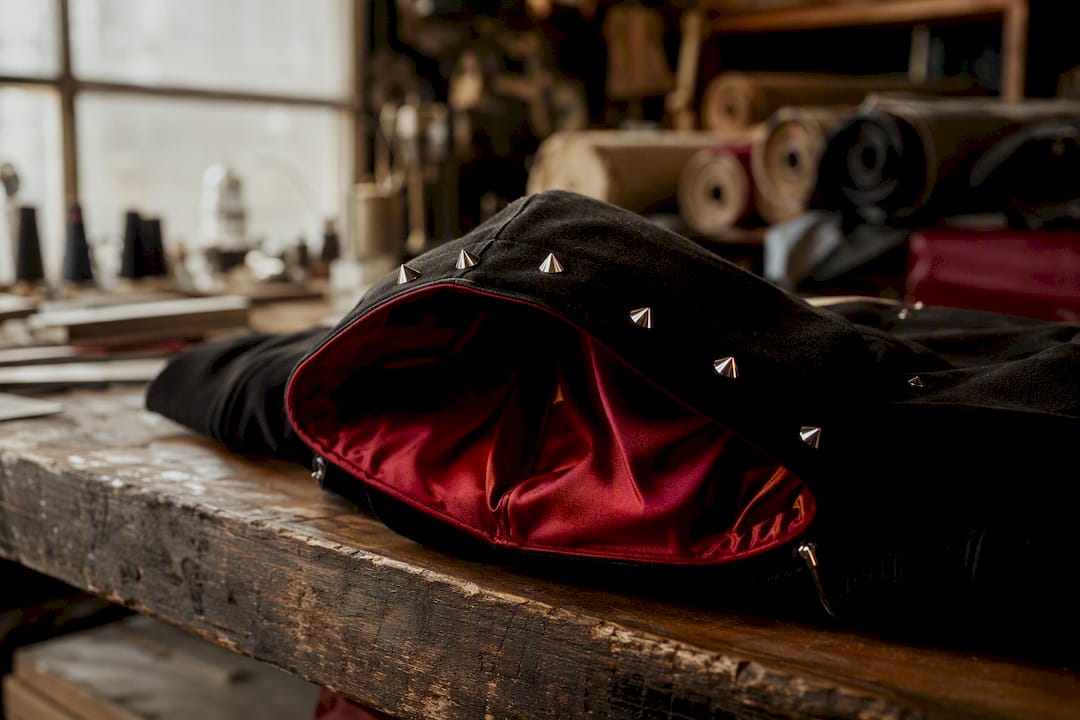
Thermoregulation is where the differences become most obvious to the wearer. Wool fibres crimp and trap air, insulating against cold whilst wicking moisture away from the body. Silk does the opposite job well: it feels cool against skin in warmth yet holds heat effectively when layered, which is precisely why fine ateliers line winter garments with silk rather than synthetic alternatives. Linen, coarser and more open in weave, breathes best of all in heat, explaining its centuries-old association with hot climates and unhurried elegance.
These properties show up in daily wear in ways that matter more than most shoppers realise:
- A silk-lined hood sits against the neck without irritation, even after repeated wear
- Wool garments resist odour build-up, meaning far less frequent washing than cotton blends or synthetics
- Linen's breathability makes it the obvious choice for warm-weather tailoring, whilst wool suits cooler seasons — for more on how breathability affects comfort, see what is breathable bedding and why does it matter
- Natural fibres soften with wear rather than degrading, unlike synthetics that pill and lose structure
Pro Tip: Air a wool or silk garment between wears instead of washing it. The fibre's natural moisture exchange resets most odour on its own, extending the life of the piece and the quality of its handle.
Why natural fibres mean luxury: scarcity, provenance and craft
Luxury pricing on natural fibres is rarely arbitrary. It tracks real scarcity, measurable in microns and kilograms, not marketing language. Vicuña illustrates this starkly: the animal cannot be farmed at scale, harvesting is legally restricted, and the fibre yield per animal is negligible against sheep or goat breeds, which is why vicuña ranks among the rarest fibres in fashion. Merino wool tells a similar story at a different scale.
Statistic: Just 0.05% of annual world merino wool production measures within the ultra-fine 13.0 to 13.8 micron band, the range that produces the softest, most fluid handle in fine tailoring.
Micron count measures fibre diameter, and lower numbers mean finer, softer yarn. Sub-14 micron wool, alongside careful carding and spinning, is what preserves the softness and drape that tailors and collectors recognise instantly by hand. Provenance compounds the value further. A named region, a specific breed, a traditional spinning technique: each signals a supply chain that can be traced rather than merely claimed.
Artisanal finishing adds the final layer of premium:
- Hand-carding and slow spinning preserve fibre length and reduce breakage
- Traditional dyeing techniques penetrate fibre more evenly than industrial processes
- Hand-finished seams and linings require skilled labour hours that machine production cannot replicate
Luxury natural fabrics carry what one industry analysis calls material intelligence: traceable origin combined with artisanal processing, where buyers are paying as much for readable provenance as for the fibre itself.
Environmental arguments: biodegradability, renewability and lifecycle trade-offs
Natural fibres return to the earth. Synthetic ones persist in it for centuries. That single distinction underpins most of the sustainability case for cotton, linen, wool and silk, and peer-reviewed literature backs the claim directly: natural fibres are broadly biodegradable and support genuine circularity in ways petroleum-based fabrics cannot match.
Natural fibre materials support circular production systems and reduce dependence on petroleum-based resources, though the scale of that benefit depends heavily on how the fibre was farmed and processed in the first place.
That caveat matters. Conventional cotton is a thirsty, pesticide-heavy crop in many growing regions. Grazing for wool and cashmere can strain land if herds are mismanaged. Flax and hemp fare better on both counts, and ongoing research into lignocellulosic fibres is actively improving surface treatments that address moisture-related durability concerns whilst retaining their strong mechanical properties and inherent sustainability credentials.
Buyers who want the environmental upside without the trade-offs have real levers to pull:
- Look for organic cotton certification, which restricts pesticide and water-intensive practices
- Seek regenerative or certified grazing claims for wool and cashmere, not vague "eco" language
- Favour small-batch, traceable production, where provenance is documented rather than asserted
- Read our guide on sustainable luxury fashion practices for a fuller breakdown of what genuine sourcing standards require
Small-batch provenance is not a sentimental preference. It is the mechanism through which a buyer can actually verify that a garment's environmental claims hold up.
Cost, longevity and care: why a higher price can be better value
A £400 wool garment worn many times costs less per wear than a lower-priced synthetic equivalent discarded after fewer wears due to pilling and loss of shape. This is the logic behind cost per wear, and it is the only honest metric for comparing natural and synthetic garments on price. Industry commentary on luxury materials consistently frames durability and reduced replacement frequency as the real value proposition behind higher natural-fibre price tags, not the price itself.
Three habits protect that value over time:
- Hand wash or dry clean wool and silk; machine agitation breaks down fibre structure faster than any other factor
- Store knitwear flat, never on a hanger, to prevent stretching at the shoulders
- Have seams and hems professionally repaired rather than discarding a garment at the first sign of wear
Pro Tip: *When comparing two similar garments, check the fibre percentage on the label before the price tag.
How to judge quality and authenticity on the label
Micron count is your first checkpoint for animal fibres: luxury-grade cashmere typically sits below 15 microns, and fine merino below 18.5. Below that, softness increases and prickle disappears.
Labels tell the rest of the story, if you read them properly:
- Trust explicit statements like "100% mulberry silk" or "100% organic cotton" over vague terms like "natural blend"
- Look for recognised certifications such as GOTS for organic cotton or RWS for responsibly sourced wool
- Distrust origin claims with no named region, breed or mill
Then trust your hands. Genuine natural fibre feels warm rather than cold to the touch, drapes with weight rather than stiffness, creases naturally rather than springing back like plastic, and carries no chemical smell.
Maison Jeeyodee: craftsmanship, provenance and how we apply these material principles
Every Jeeyodee piece is handcrafted in Italy, built from heavyweight cotton paired with an Egyptian silk interior, and finished with meticulously aligned Italian cone studs. Each garment is individually numbered. None is ever reproduced.
This is not decoration. It is how fibre integrity survives from raw material to finished garment:
- Small-batch atelier production allows the time that fine finishing demands
- Numbered limited drops mean scarcity is designed in, not manufactured through marketing
- Egyptian silk linings preserve the comfort properties natural fibres are chosen for in the first place
For readers who want the deeper technical picture on sourcing ethics, our piece on ethical silk in fashion goes further into how discerning buyers should evaluate silk specifically.
Impact of natural fibres on skin health and allergenic properties
Skin does not tolerate synthetic fibres the way it tolerates natural ones, and the reasons are structural rather than anecdotal. Cotton, linen, wool and silk allow air and moisture to pass through the weave, which keeps skin drier and reduces the conditions that trigger irritation. Synthetic fabrics, by trapping heat and moisture against the body, create an environment where bacteria multiply faster, often the real cause behind rashes people blame on "sensitive skin."
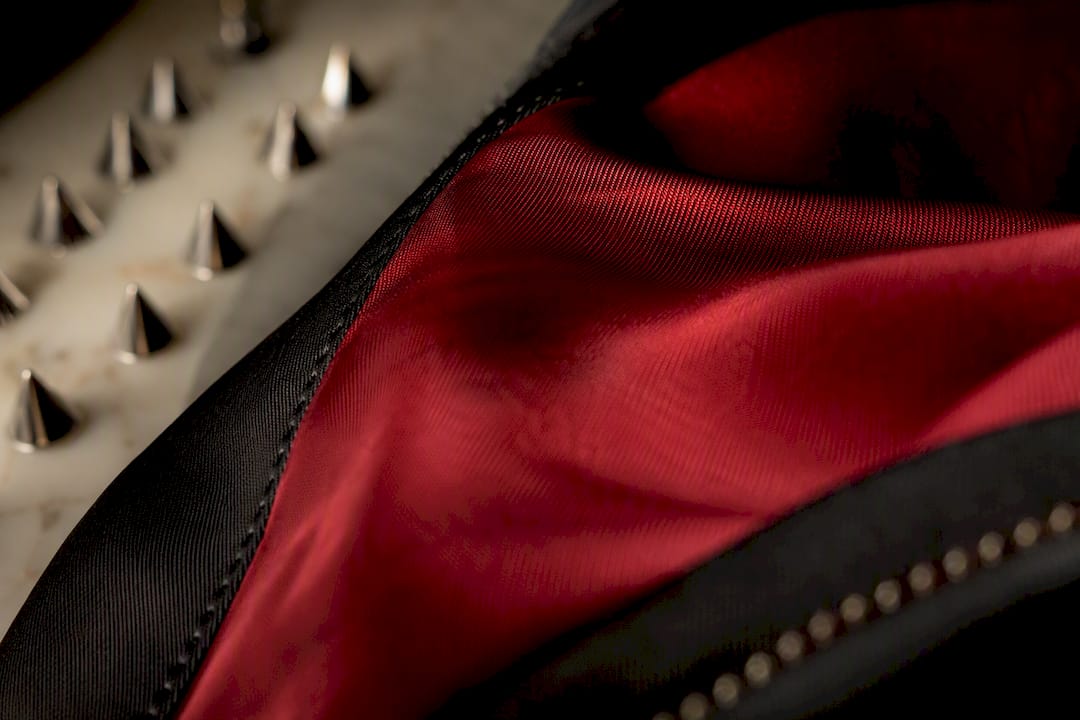
Peer-reviewed research on natural sustainable fibres specifically identifies them as hypoallergenic and beneficial for wearer comfort, a finding consistent across cotton, linen, hemp, silk and wool. Silk carries a particular advantage here: its smooth filament structure, lacking the microscopic barbs found in some wool fibres, causes far less mechanical friction against skin, which is exactly why fine linings favour it for areas of repeated contact like collars and hoods.
Wool deserves a fairer hearing than it usually gets. The prickle sensation some people associate with wool comes from coarser fibres with a higher micron count, not wool itself. Fine merino below 18.5 microns causes markedly less irritation, which is why luxury knitwear specifies micron count on the label rather than simply stating "wool."
None of this makes natural fibres a guaranteed fix for every skin condition.
Why natural fibres for eco-conscious luxury shoppers
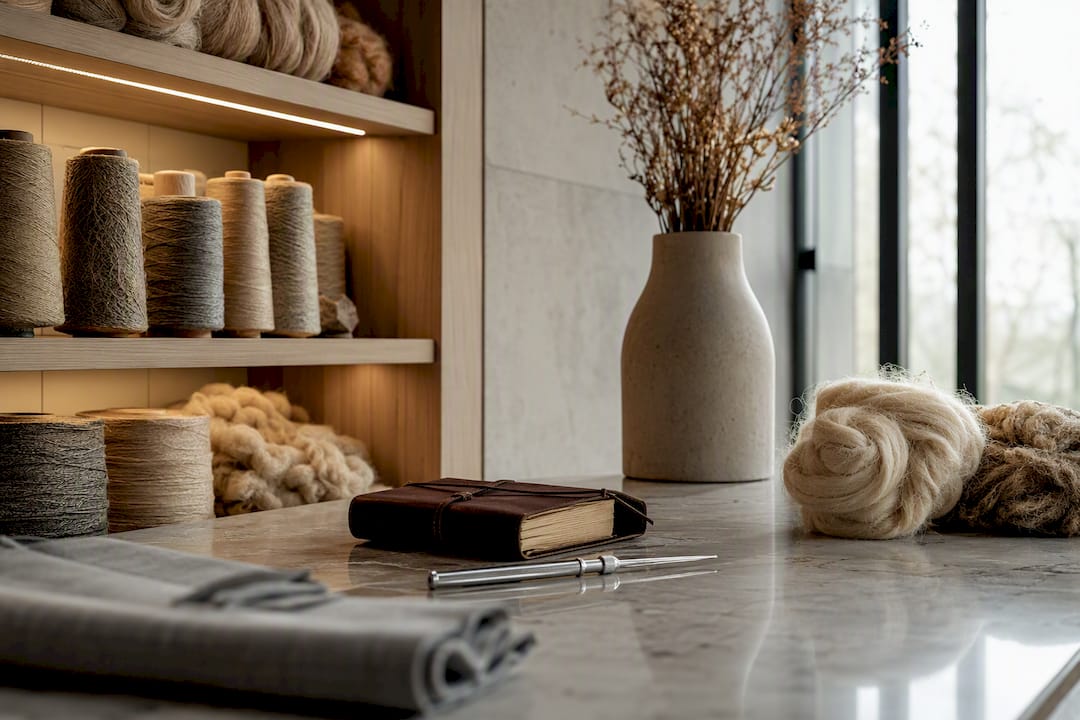
The conventional sustainability pitch treats natural fibres as simply "the lower-impact option," a checkbox against synthetics. That framing undersells what is actually happening in luxury. The real argument is that provenance, craft and longevity are themselves the sustainability case, not a separate virtue bolted onto a material choice.
A garment that lasts fifteen years because its wool was properly sourced and its seams properly finished has done more for the environment than a dozen "eco" synthetic pieces replaced annually. That is the calculation eco-conscious shoppers should prioritise first: not "is this fibre natural," but "will this garment still exist, and still matter, in a decade." Scarcity and craftsmanship are not opposed to sustainability. They are frequently its clearest expression, because scarcity forces care, and care produces longevity.
Where most advice falls short is treating certification labels as the finish line. A GOTS stamp or an RWS mark tells you the farming was responsible. It tells you nothing about whether the garment was built to survive a decade of wear. Both questions deserve equal weight before you buy.
— Jeeyodee
A collectible approach to natural-fibre craftsmanship
Jeeyodee exists for buyers who have already grasped what this article argues: that the fibre is only half the story, and provenance plus craft is the other half. Every garment is handcrafted in Italy using heavyweight cotton and an Egyptian silk interior, with Italian cone studs aligned by hand rather than machine.
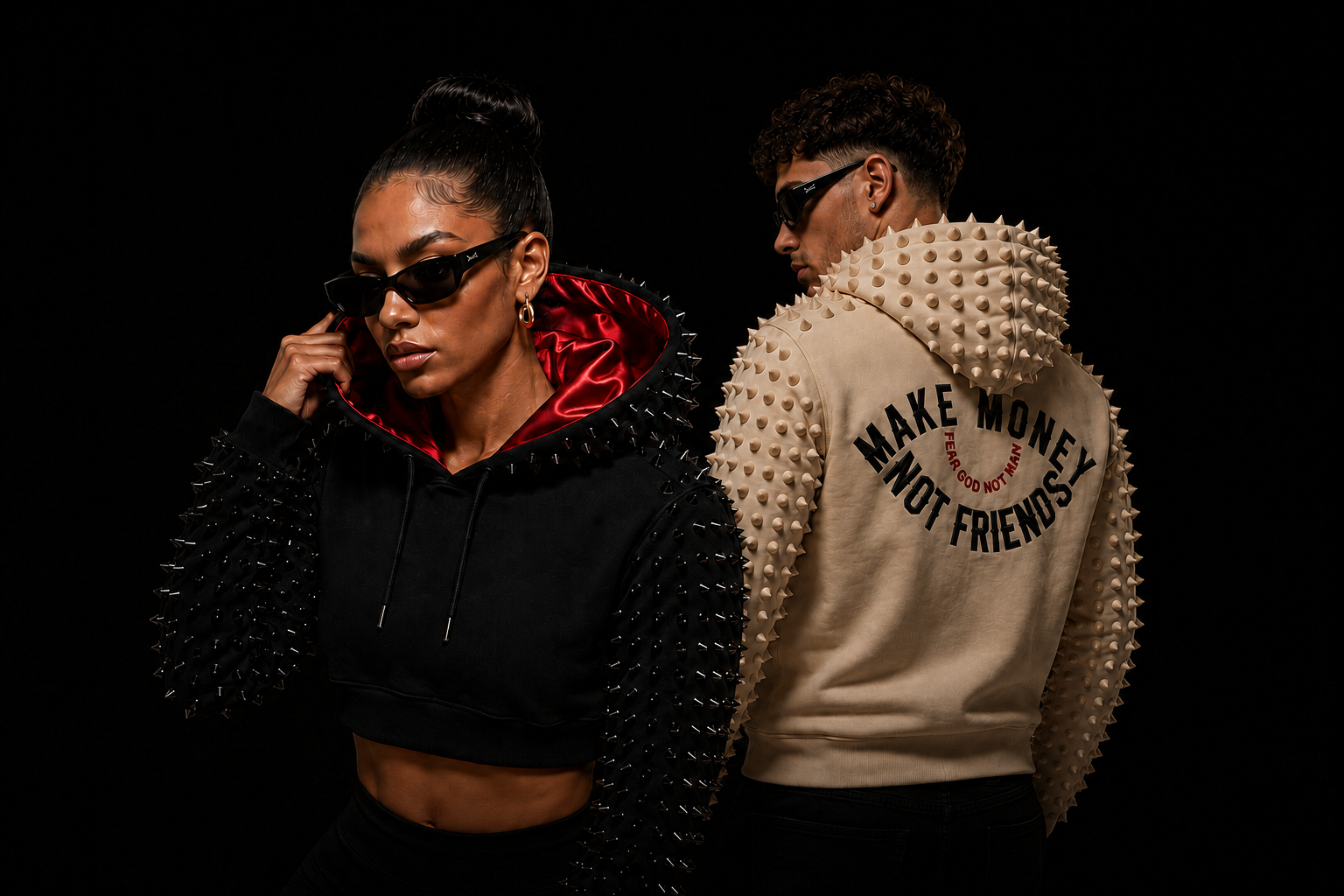
The limited-drop model is not a marketing device. Each piece is produced once, numbered, and never repeated, which means the scarcity that drives value elsewhere in luxury fashion is built into the garment from the first cut. Owning one is less like buying a product and more like taking on stewardship of something that will not exist again in that exact form. For readers ready to see the current collection, the Jeeyodee store holds whichever numbered pieces remain available from the maison's latest drop.
Sources
For deeper technical grounding, see the peer-reviewed review on natural sustainable fibres, the 2026 RSC review of lignocellulosic fibres, and reporting on merino scarcity from WWD. Readers wanting maison-level detail can explore why small-batch fashion is sustainable.
- Loro Piana Royal Lightness: New Yarn and Fabric Redefining Luxury
- Abstract: The aim of this paper is to illustrate the human health benefits, human comfort properties and ecological influences of natural sustainable textile fibers.
- Review: natural fibres and composites (RSC, 2026)
FAQ
Why are natural fibres better for clothes?
Natural fibres such as cotton, linen, wool and silk manage moisture and temperature more effectively than synthetics, and they biodegrade at the end of their life instead of persisting for centuries.
What is considered the most luxurious fabric?
Vicuña and ultra-fine merino wool, particularly fibre within the 13.0 to 13.8 micron range, are widely regarded as the most luxurious due to their extreme scarcity and exceptional softness.
Why do rich people wear linen?
Linen's open weave and low elasticity make it exceptionally breathable in heat, and its distinctive natural creasing has long signalled unhurried, deliberate elegance rather than mass-produced polish.
What are the advantages of natural fibres?
They offer superior breathability, reduced odour retention, hypoallergenic comfort against skin, and genuine biodegradability, with longevity that often makes them better value per wear than cheaper synthetic alternatives.