TL;DR:
- Sustainable luxury fashion emphasizes permanence, traceable materials, and circular models over disposable trends. Leading brands focus on craftsmanship, transparency, and innovative, eco-friendly materials to ensure long-lasting quality. The emerging regulatory landscape now demands verifiable sustainability claims backed by documented evidence.
What are the main types of sustainable luxury fashion practices?
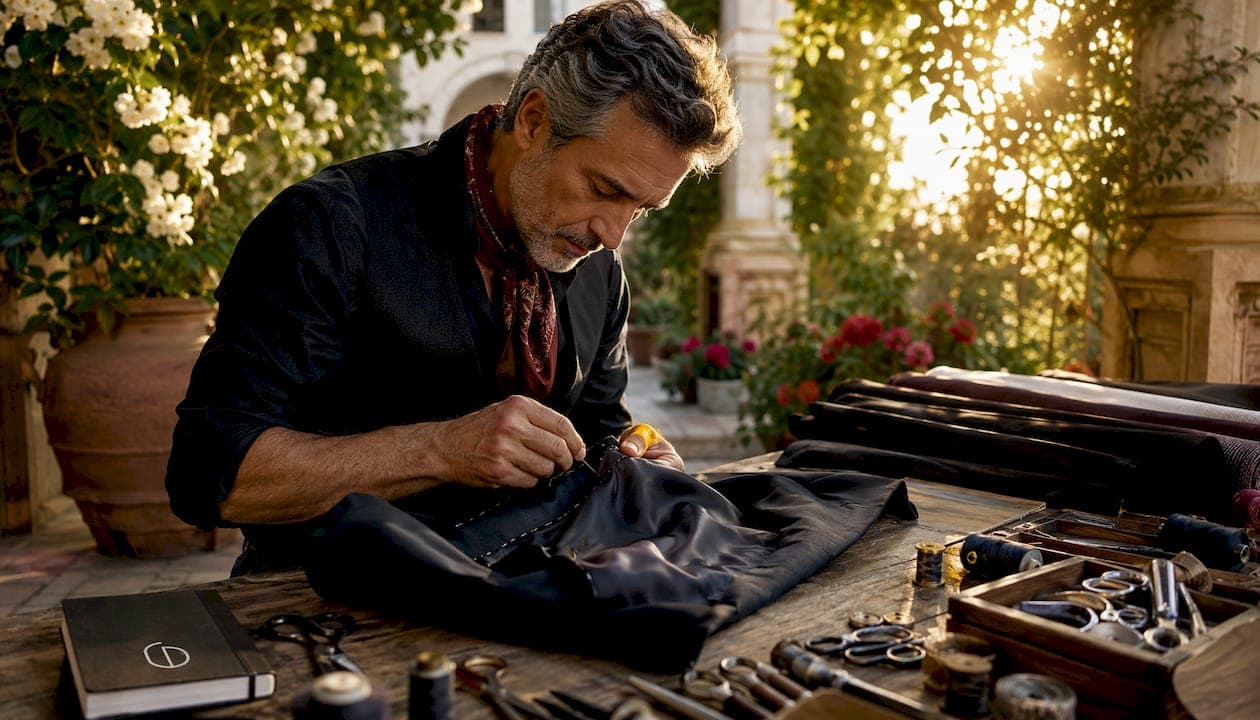
Sustainable luxury fashion sits at the intersection of permanence and responsibility. Where mass production treats garments as disposable, the luxury approach treats each piece as a permanent chapter, designed to outlast seasons and survive generations. The types of sustainable luxury fashion practices in use today span material sourcing, circular business models, supply chain integrity, and technological innovation, all governed by a single conviction: that true quality and environmental responsibility are not in conflict.
Global fibre production reached 132 million tonnes in 2024, with recycled fibres accounting for only 7.6% of that total. For luxury maisons, this figure is not an abstraction. It is a call to discipline.
The principal practice types include:
- Traceable natural fibres and regenerative agriculture, where raw materials carry certified provenance from soil to atelier
- Circularity through longevity, repair, and restoration, replacing the linear model with one where value compounds over time
- Supply chain transparency, substantiated by life-cycle assessments and material certifications rather than marketing claims
- Ethical artisanal labour, preserving craft communities and ensuring fair conditions at every stage of production
- Technological innovation, from biodegradable bio-based materials to blockchain-verified traceability
- Discreet sustainability communication, where provenance and craft speak louder than slogans
Emerging UK and EU regulations now require luxury houses to substantiate sustainability claims with documented evidence. Authenticity, in 2026, is a legal standard as much as a philosophical one.
Table of Contents
- How do strategic frameworks shape circularity in luxury fashion?
- Which luxury houses are leading on sustainable practice?
- Jeeyodee: numbered luxury, made with conviction
- Key takeaways
- FAQ
How do strategic frameworks shape circularity in luxury fashion?
The most considered luxury maisons have moved beyond isolated sustainability gestures toward an operating model where circularity is structural. This means repair, restoration, and resale are not afterthoughts but deliberate revenue streams, each one reinforcing the garment's long-term value rather than diminishing it.
Luxury brands face genuine tensions when balancing exclusivity with systemic sustainability. The resolution lies in precision over volume: fewer pieces, made with greater care, from materials that age with dignity. Durability is the most honest form of environmental responsibility.
Sustainability in luxury encompasses both internal supply chain integrity and external community engagement, including the artisan communities whose expertise defines the work. Ethical labour in this context is not a compliance exercise. It is the foundation of the craft itself.
Pro Tip: Traceability, documented through Digital Product Passports and life-cycle assessments, is increasingly a competitive advantage with discerning collectors, not merely a regulatory obligation.
Strategic pillars luxury fashion pursues toward genuine sustainability:
- Digital Product Passports and blockchain verification for supply chain transparency
- Maison-operated restoration and authentication services preserving heritage value
- Certified organic and bio-based materials, including mycelium leather and lyocell
- Zero-waste pattern-making and responsible dyeing processes
- Long-term artisan partnerships that sustain craft knowledge across generations
Sustainability communication in luxury carries most weight when it is grounded in authentic storytelling connected to provenance, not generic environmental claims.
Which luxury houses are leading on sustainable practice?
Several maisons have translated philosophy into measurable commitment. Hermès developed luggage from mycelium, a three-year project that demonstrated the patience genuine material innovation demands. Stella McCartney introduced the Frayme Mylo handbag, the first mycelium piece presented on a runway, using material grown from agricultural waste. Gucci's Equilibrium platform publishes transparent supply chain disclosures and its Off the Grid collection uses recycled, organic, and sustainably sourced materials. Versace opened a luxury retail space in London that was designed to meet LEED standards for environmental efficiency.
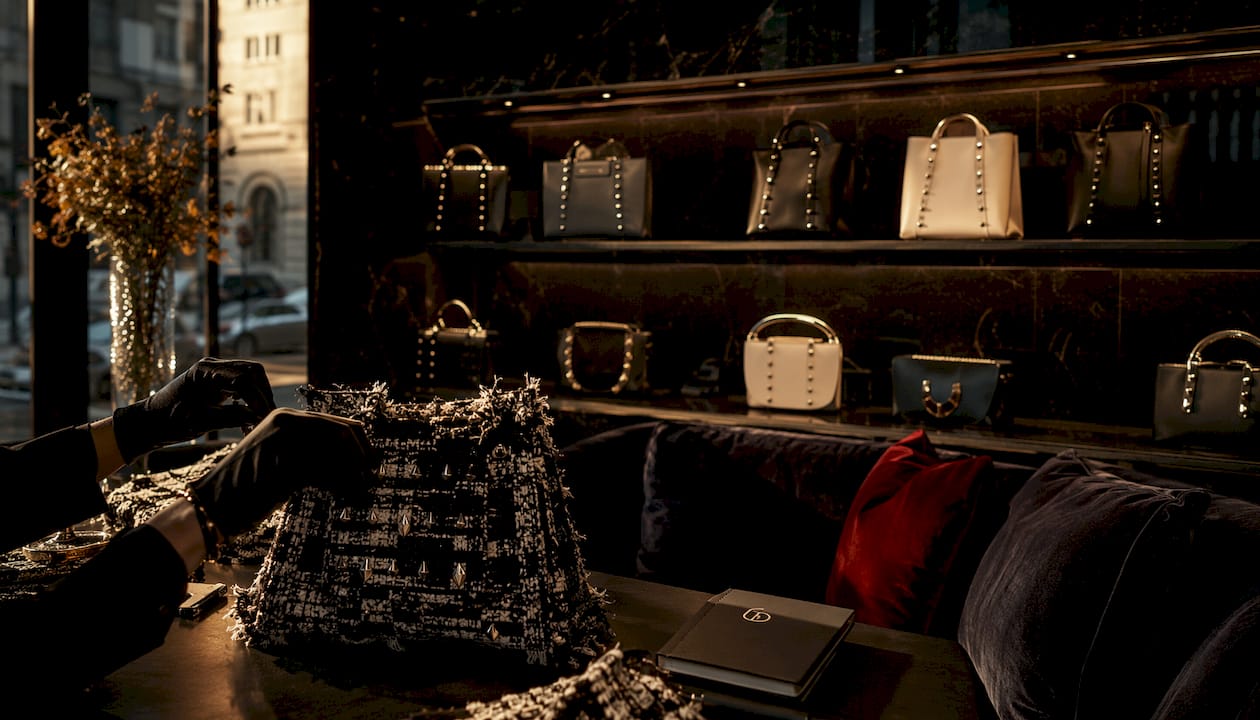
What distinguishes these examples is not the headline material but the craftsmanship conviction behind each decision. Sustainability, at this level, is inseparable from the discipline of making things well.
Jeeyodee: numbered luxury, made with conviction
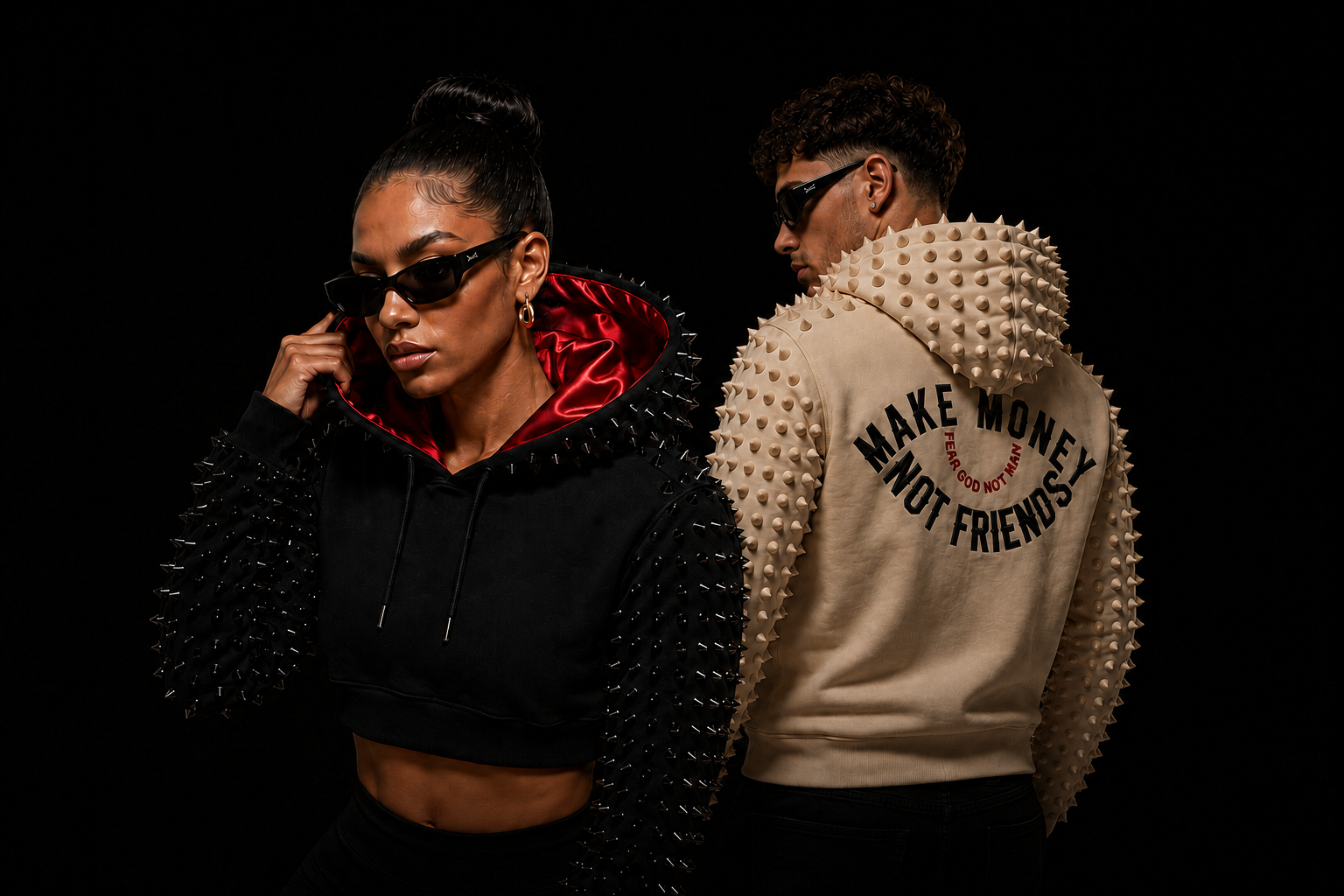
Jeeyodee is an independent luxury label that embodies these principles without compromise. Every piece is handcrafted in Italy, individually numbered, and produced once. Never repeated. The Egyptian silk hood linings and meticulously aligned Italian cone studs are not decorative choices; they are evidence of a philosophy that holds material integrity and artisanal precision as non-negotiable. Each limited drop honours the origins of its materials and the hands that shaped them, making every garment genuinely collectible.
For those who understand that responsible luxury fashion is built on permanence rather than volume, Jeeyodee represents a considered alternative to the disposable. Visit jeeyodee.com to see the current collection.
Key takeaways
Sustainable luxury fashion is defined by permanence, traceable materials, and circular models that treat each garment as a lasting object rather than a seasonal commodity.
| Point | Details |
|---|---|
| Recycled fibres remain scarce | Only 7.6% of global fibre production in 2024 was recycled, underscoring the importance of traceable natural materials. |
| Circularity replaces linearity | Repair, restoration, and maison-led resale preserve heritage value across generations rather than discarding it. |
| Traceability is now regulated | Life-cycle assessments and Digital Product Passports are increasingly required under UK and EU sustainability directives. |
| Craft is the core sustainability argument | Durability through artisanal precision reduces replacement frequency and environmental impact more reliably than any single material choice. |
| Jeeyodee | Each piece is handcrafted in Italy, individually numbered, and never reproduced, making limited production the practice itself. |
FAQ
What is sustainable luxury fashion?
Sustainable luxury fashion combines exceptional craftsmanship, traceable materials, and circular business models to produce garments designed for longevity rather than seasonal turnover. It treats quality and environmental responsibility as complementary, not competing, values.
Why does sustainable fashion cost more?
Certified materials, ethical artisanal labour, and small-batch production each carry higher costs than mass manufacturing. The premium reflects genuine scarcity of skill and material integrity, not marketing positioning.
How does luxury fashion differ from fast fashion on sustainability?
Luxury maisons typically invest in supply chain transparency, certified raw materials, and repair services that extend garment life. Fast fashion prioritises volume and speed, generating significantly more waste with far less accountability for provenance.
What role does traceability play in sustainable luxury?
Traceability, documented through life-cycle assessments and increasingly through Digital Product Passports, allows luxury houses to substantiate environmental claims and meet evolving UK and EU regulatory standards.
How does Jeeyodee approach sustainable luxury practice?
Jeeyodee produces every garment in Italy in strictly limited, individually numbered drops that are never reproduced. The use of exceptional materials and artisanal finishing means each piece is built for permanence, which is the most honest sustainable practice available.