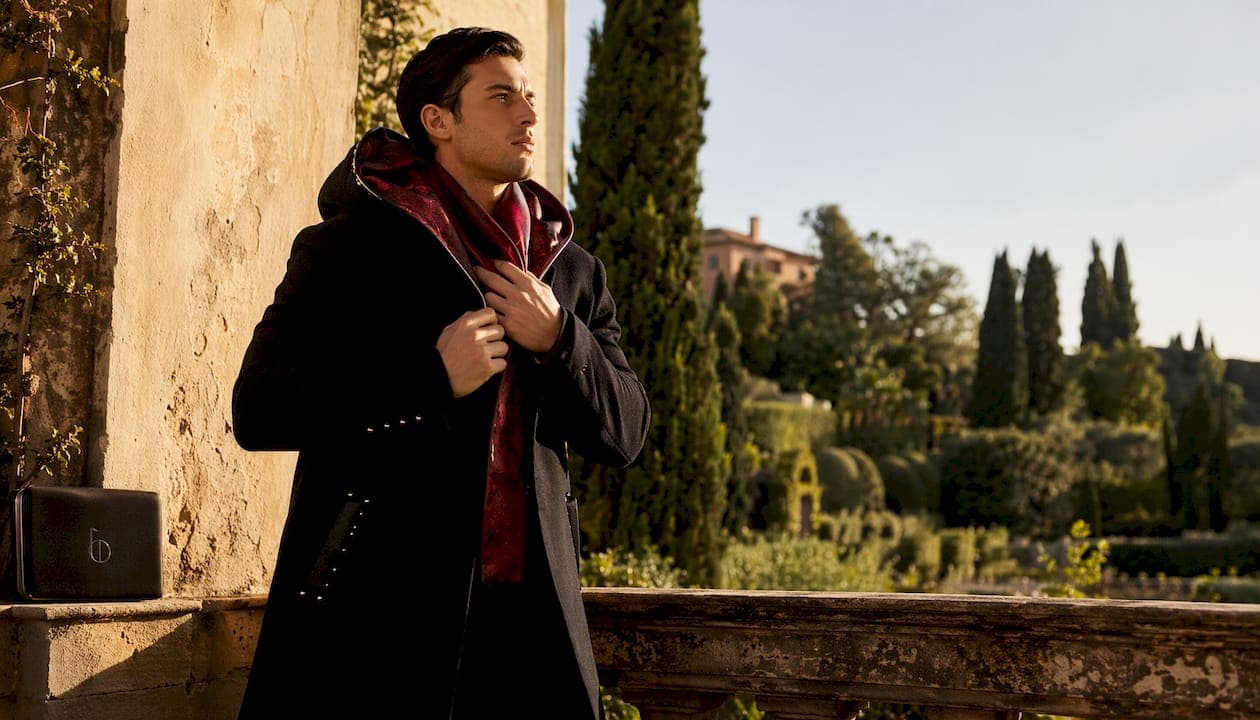
TL;DR:
- Distinctive fashion styling relies on deliberate techniques like layering, texture, and micro-habits to create lasting personal looks. Principles such as the Third Piece Rule, the 3-Part Formula, and wardrobe curation help produce cohesive and individual styles that transcend trends. Consistent micro-styling habits and thoughtful accessories reinforce identity, emphasizing quality and intentionality over volume.
Distinctive fashion styling best practices are the deliberate application of layering, texture, and micro-level personal choices to create cohesive outfits that carry genuine individuality. The industry recognises three foundational principles that separate considered dressing from mere clothing: the Third Piece Rule, the 3-Part Formula of structure, balance, and intention, and the cultivation of micro-styling habits. Together, these techniques form a repeatable system for building a signature look that endures beyond seasonal trends. This guide presents each principle with the depth and discipline it deserves, drawing on expert consensus and the philosophy of craftsmanship that defines lasting style.
1. How the Third Piece Rule transforms basic outfits
The Third Piece Rule is the single most effective technique professional stylists apply to elevate a simple outfit. The principle is direct: a base of two items, say a shirt and trousers, remains visually incomplete without a third element to anchor the look. That third piece provides the texture, colour, or structure the eye needs to read an outfit as intentional rather than incidental.
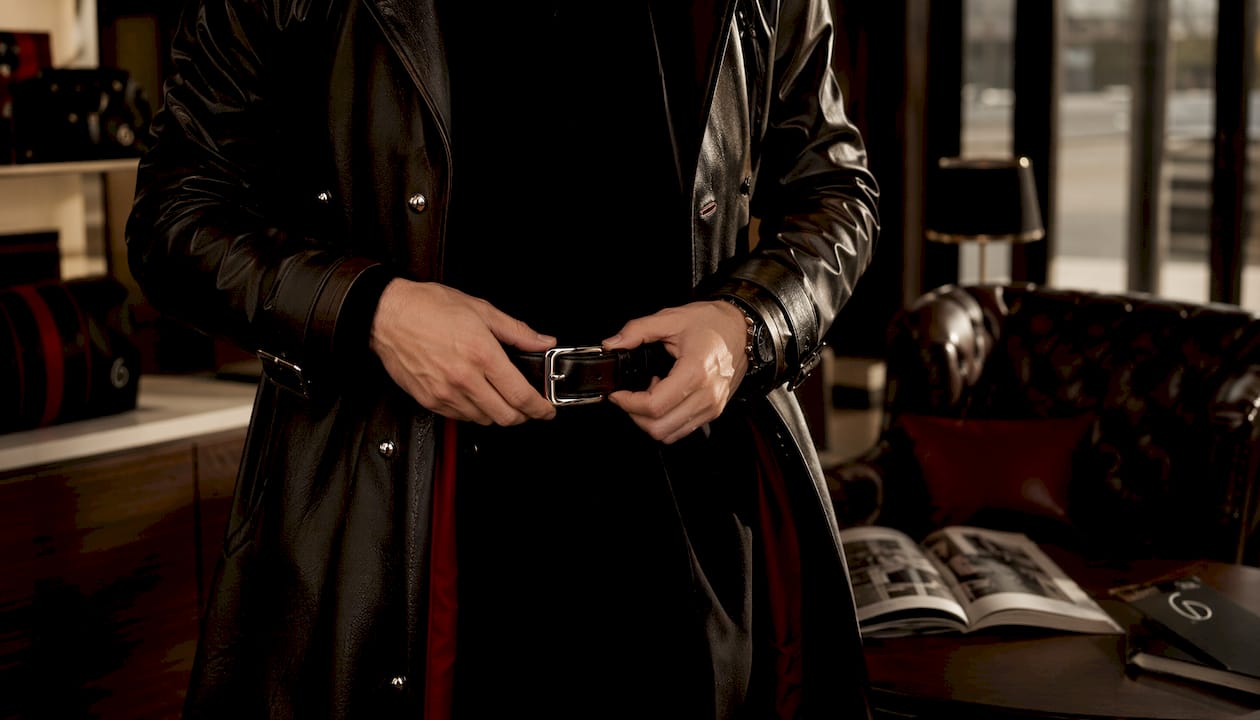
Common third pieces include structured outerwear such as a tailored overcoat, a distinct accessory like a sculptural belt or considered scarf, and layered knitwear worn open over a fitted base. Each of these options adds a layer of visual depth without requiring the wearer to start from scratch. The psychological effect is significant. Professional stylists note that the third piece signals effort and curation to observers, shifting the perception of an outfit from functional to composed.
Applying the rule does not require purchasing new garments. A belt worn over a coat, a watch chosen with deliberate intent, or a pocket square folded with care all qualify. The key is that the third element must serve the look, not simply occupy space within it.
Pro Tip: Before leaving the house, ask whether your outfit has three distinct visual layers. If it reads as two items and nothing more, add one considered element, even something already in your wardrobe.
2. Applying the 3-Part Formula: structure, balance, and intention
The 3-Part Formula is a systematic framework that underpins every well-constructed outfit. It operates across three pillars, each performing a specific function.
Structure defines the silhouette. It is the architectural foundation of the look, determined by the cut and weight of the garments chosen. A wide-shouldered coat creates one silhouette; a fluid, unstructured jacket creates another. Structure is not about formality. It is about deliberate shape.
Balance governs proportion. The most common application is the fitted-versus-loose principle: a relaxed, voluminous top paired with a tapered trouser, or a slim-cut shirt worn beneath an oversized outer layer. Balance prevents any single element from consuming the visual field. It is the reason an outfit feels considered rather than accidental.
Intention is the most demanding of the three. Every piece in the outfit must serve a purpose. Intention asks: why is this garment here? If the answer is unclear, the piece does not belong. Common failures include over-layering without purpose, where additional items add bulk without adding meaning, and the absence of a clear focal point, which leaves the eye with nowhere to rest.
The formula adapts across occasions and body types without losing its logic. For formal settings, structure takes precedence. For relaxed occasions, balance and intention carry more weight. The formula is not a constraint. It is a grammar that makes personal expression legible.
3. Micro-styling habits that define a signature look
Signature style develops through persistent micro-habits, not dramatic statements. A cuff rolled twice, a shirt half-tucked with precision, a collar worn always open to the second button: these small, consistent actions become visual calling cards. Observers process and memorise visual cues in approximately three seconds when those cues appear consistently over time. That is the power of repetition applied with discipline.
Micro-habits work because they are effortless to the wearer and memorable to the observer. They do not require expensive pieces or seasonal reinvention. They require only commitment to a personal standard. The stylist who always wears a watch on the right wrist, or who consistently chooses a single metal tone for all accessories, builds a visual identity that is immediately recognisable.
The temptation to force a statement piece into every outfit works against this principle. Authenticity in styling comes from comfort with the choices made, not from the volume of those choices. A forced statement reads as costume. A micro-habit reads as character.
Pro Tip: Identify two or three small styling actions you already perform naturally. Codify them. Apply them consistently. Those habits are the beginning of your signature.
Developing these markers connects directly to the broader discipline of building a handcrafted luxury wardrobe, where repetition and curation replace accumulation and trend-chasing.
4. Balancing visual weight and using styling friction
Visual weight is the perceived heaviness or lightness of a garment, determined by its colour, texture, volume, and pattern. Balancing visual weight across an outfit prevents any single element from overwhelming the composition. The hierarchy is clear: when a statement piece anchors the look, all other components must support it quietly. Competing statement elements produce chaotic, unintentional results.
Styling friction is the deliberate insertion of one or two unexpected elements to create visual tension. The technique is precise. Mixing contrasting textures, such as silk worn alongside a rugged knit, or pairing structured tailoring with a deliberately soft element, produces a lively, dynamic look that avoids predictability. The friction must be controlled. One unexpected element is a choice. Three unexpected elements are confusion.
Colour plays an equally important role in managing visual weight. A single muted palette with one point of colour contrast directs the eye without overwhelming it. Texture interruptions within a tonal outfit, such as a matte fabric beside a lustrous one, achieve the same effect with greater subtlety.
Individuality in styling is less about dramatic statements and more about subtle, deliberate interruptions that differentiate outfits from uniform trends. This insight reframes the entire approach to creative wardrobe ideas: the goal is not to stand out loudly, but to be unmistakably yourself.
5. Selecting accessories and hero pieces to anchor your look
Accessories function as hero pieces when chosen with intention, adding texture, colour, or structure to an outfit that might otherwise remain visually neutral. The principle of scaling applies directly here: a sculptural belt worn with a fluid silhouette creates proportion; bold jewellery worn with a minimal outfit creates focal clarity. The accessory must harmonise with the silhouette it accompanies, not compete with it.
The most effective approach to selecting a hero piece is to identify what the outfit currently lacks. If the look is structurally complete but tonally flat, a considered scarf or a piece of restrained jewellery introduces warmth. If the silhouette is strong but the texture is uniform, a woven belt or a leather accessory with visible craft adds depth. The hero piece resolves a specific visual problem.
Restraint is the governing principle. One hero piece per outfit is the standard. Two competing hero pieces divide the eye and dilute the impact of both. The luxury maison tradition understands this instinctively: a single detail executed with exceptional craft carries more authority than several details executed with haste. Jeeyodee's approach to craftsmanship in fashion reflects precisely this conviction, where one meticulous detail speaks louder than many ordinary ones.
6. Wardrobe curation over accumulation
Building a signature look depends on editing rather than accumulation. A wardrobe anchored around core neutrals and versatile fabrics supports sustained distinctive style far more reliably than a wardrobe chasing seasonal arrivals. The capsule approach, where each piece interacts with several others to produce multiple coherent outfits, is the practical expression of this philosophy.
Curation requires discipline. It means removing garments that no longer serve the look, even when they are expensive or sentimental. It means resisting the pull of trend-driven pieces that do not integrate with the existing wardrobe. The quality over quantity principle is not an aesthetic preference. It is a structural necessity for a wardrobe that functions with consistency.
Versatile fabrics are the foundation of a curated wardrobe. Heavyweight cotton, fine wool, and silk each behave differently across seasons and occasions, offering the wearer genuine flexibility without the need for constant replacement. Pieces that age with dignity, developing character through wear rather than deteriorating, are the ones that sustain a signature look over years rather than months.
Key takeaways
Distinctive fashion styling best practices rest on three repeatable principles: the Third Piece Rule, the 3-Part Formula, and the cultivation of micro-habits that build a recognisable personal signature over time.
| Point | Details |
|---|---|
| Apply the Third Piece Rule | Add a third element to every outfit to provide texture, colour, or structure and signal intention. |
| Use the 3-Part Formula | Build every outfit around structure, balance, and intention to create cohesion across occasions. |
| Develop micro-styling habits | Small, consistent actions such as cuff rolls or tonal accessory choices become your visual signature. |
| Control visual weight | Let one hero piece lead; keep all other elements quiet to avoid chaotic, competing focal points. |
| Curate, do not accumulate | Edit your wardrobe around versatile, high-quality pieces that interact to produce lasting, distinctive looks. |
Styling as discipline, not decoration
The prevailing misconception about distinctive personal style is that it belongs to those with an instinctive gift. It does not. Style is an application of geometry and visual sociology, governed by principles that can be learned, practised, and refined. The Third Piece Rule, the 3-Part Formula, and the micro-habit system are not creative shortcuts. They are the grammar of a language that, once internalised, becomes fluent.
What we have observed, working at the intersection of craftsmanship and considered dressing, is that the most memorable wardrobes are always the most edited ones. The stylists and fashion enthusiasts who dress with genuine conviction are not those who own the most. They are those who have removed the most, retaining only what serves their visual identity with purpose and permanence.
The connection between luxury craftsmanship and lasting style is not incidental. A garment made with exceptional materials and meticulous attention to detail carries visual weight that mass-produced pieces cannot replicate. When you build your wardrobe around pieces of genuine craft, the styling principles described here become easier to apply. The garments do part of the work for you, because quality has its own authority.
The invitation is not to dress more. It is to dress with greater conviction. Develop two or three micro-habits. Apply the 3-Part Formula until it becomes instinct. Choose one hero piece and let it lead. The result is not a look assembled from rules. It is a look that is unmistakably, permanently yours.
— Jeeyodee
Jeeyodee: numbered luxury for those who dress with conviction
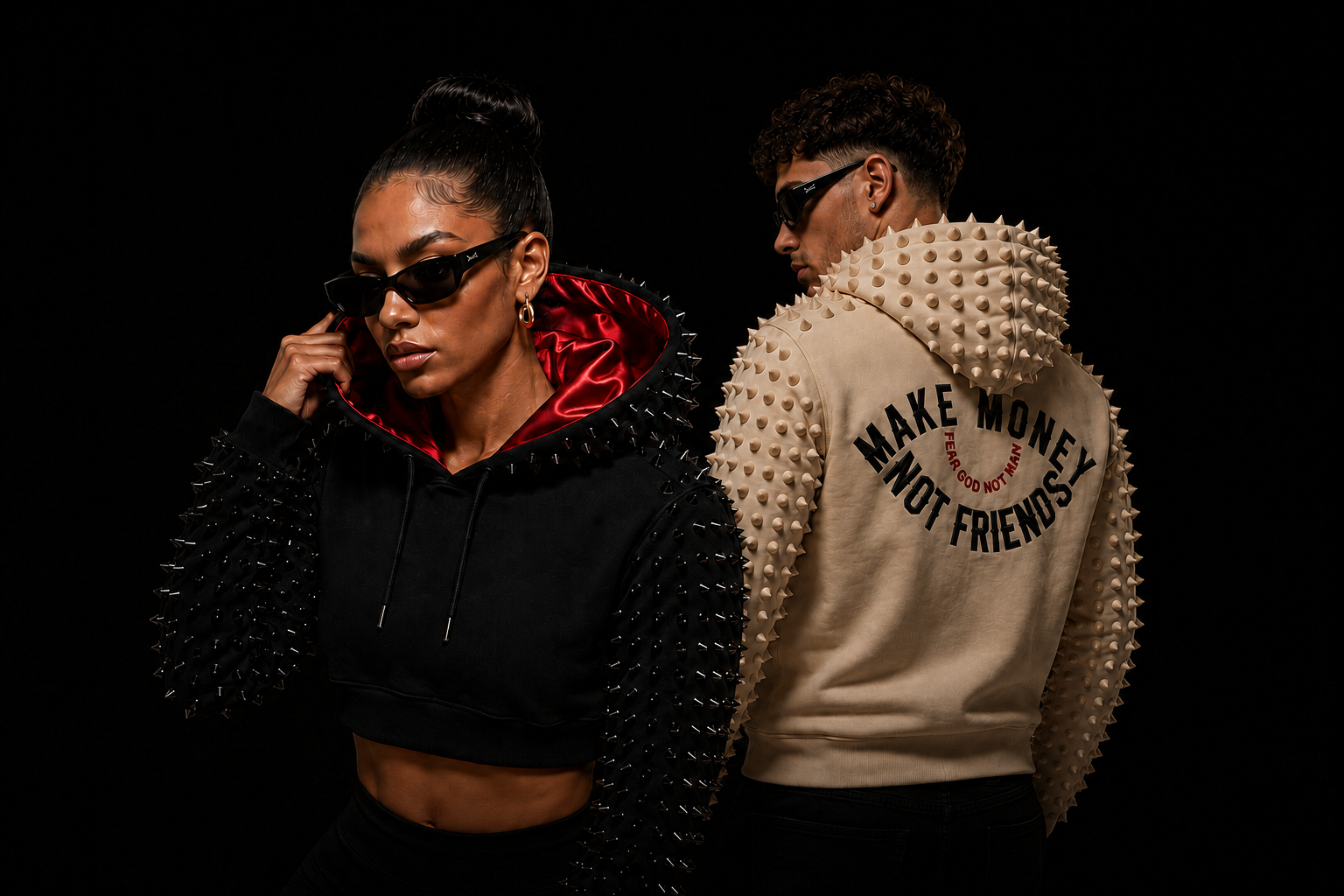
Jeeyodee is a luxury maison producing garments that are handcrafted in Italy, individually numbered, and never repeated. Each piece, including the hand-finished Thorns variants with their Egyptian silk hood linings and meticulously aligned Italian cone studs, is made to be worn with the kind of intention this article describes. When a garment is produced once and numbered, it becomes a permanent chapter rather than a seasonal purchase. For those who apply the principles of distinctive styling with seriousness, the wardrobe deserves pieces built to the same standard. Explore Jeeyodee's numbered collections and consider what it means to own something that will never be made again.
FAQ
What is the Third Piece Rule in fashion styling?
The Third Piece Rule requires adding a third element, such as structured outerwear, a considered accessory, or layered knitwear, to a base of two garments. The third piece anchors the outfit by providing texture, colour, or structure that signals deliberate curation.
How does the 3-Part Formula work for outfit construction?
The 3-Part Formula organises every outfit around structure (silhouette), balance (proportion), and intention (purpose). Each pillar performs a specific function, and together they produce cohesive, considered looks across any occasion or body type.
What are micro-styling habits and why do they matter?
Micro-styling habits are small, consistent actions such as rolling cuffs, half-tucking shirts, or maintaining a single metal tone across accessories. Applied repeatedly, these habits create a recognisable visual signature that observers memorise within seconds.
What is styling friction and how do I use it?
Styling friction is the deliberate introduction of one or two unexpected elements, such as silk paired with a rugged knit, to create controlled visual tension. One unexpected element reads as a choice; more than two reads as confusion.
How do I build a distinctive wardrobe without following trends?
Build around core neutrals and versatile, high-quality fabrics, then edit ruthlessly. A capsule wardrobe where each piece interacts with several others produces sustained distinctive style far more reliably than seasonal accumulation.