TL;DR:
- A handcrafted luxury wardrobe is a carefully curated collection of bespoke, artisan-made garments built over years with discipline. It emphasizes quality, permanence, and personal meaning rather than trends or quantity. Proper care and patience ensure these garments last decades and reflect authentic craftsmanship and individual style.
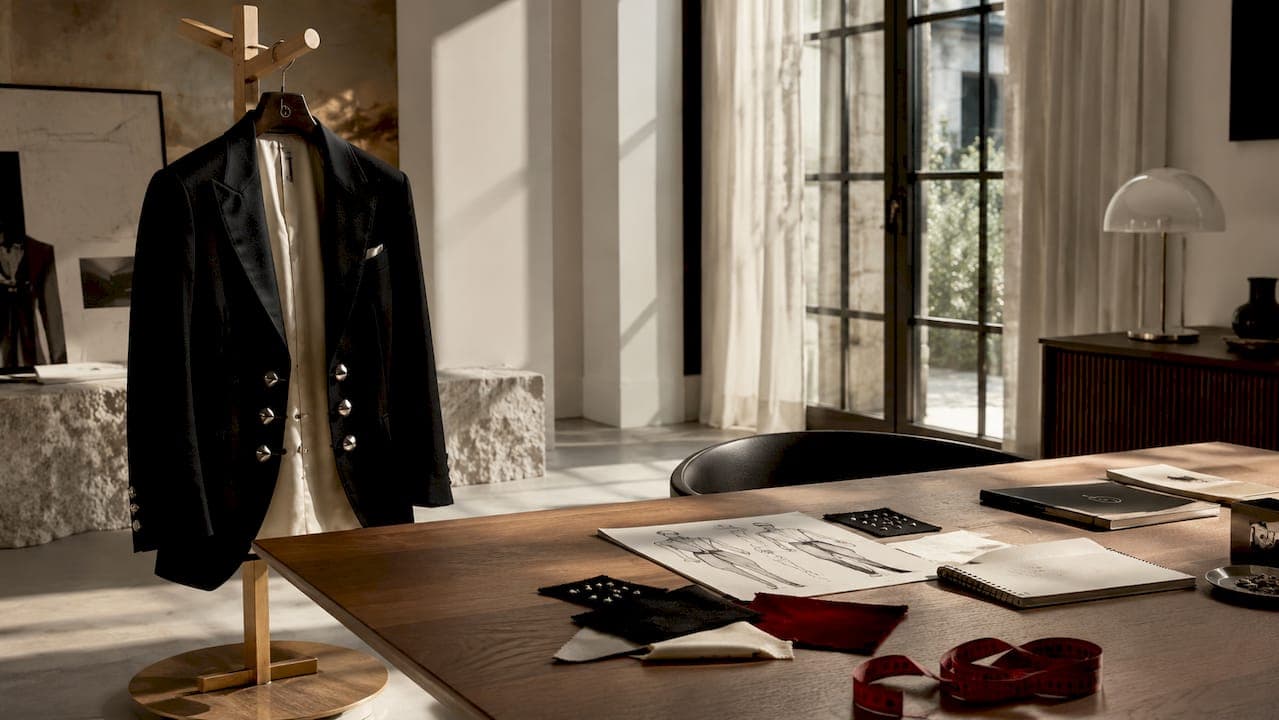
A handcrafted luxury wardrobe is defined as a deliberately curated collection of bespoke, artisan-made garments selected for permanence, versatility, and personal conviction rather than seasonal trend. Building a handcrafted luxury wardrobe is not an act of acquisition. It is an act of authorship. Each piece you commission or select becomes a permanent chapter in the story of who you are, carrying the weight of the maker's craft and the clarity of your own intention. The finest wardrobes are not assembled quickly. They are built slowly, with discipline, over years of considered choice.
What are the essential components of a handcrafted luxury wardrobe?
The foundation of any bespoke wardrobe creation rests on a small number of exceptional garments rather than a large number of adequate ones. A well-constructed wardrobe begins with core silhouettes: a bespoke suit or tailored blazer, precisely cut trousers, refined shirts in natural fibres, and outerwear built to last decades. Each of these pieces earns its place not through novelty but through permanence.
Material selection is where true craftsmanship begins. Internal construction quality reveals more about a garment's worth than its exterior finish. Hand-sewn seams, natural fibre resilience, and finishing techniques invisible to the casual eye are the true markers of artisanal excellence. Wool, cashmere, Egyptian silk, and fine cotton each offer a different relationship with the body and with time.
The artisanal details that distinguish a handcrafted garment collection from mass-produced clothing are often subtle. Consider the alignment of a pattern across a seam, the weight of a lining, or the way a collar sits without stiffening. These are not accidents. They are the result of hours of deliberate labour by a craftsperson who understands that the interior of a garment matters as much as its face.
- Bespoke tailoring: Suits, blazers, and trousers cut to your precise measurements and posture
- Natural fibres: Wool, cashmere, Egyptian silk, and heavyweight cotton for longevity and drape
- Artisanal finishing: Hand stitching, personalised linings, and aligned detailing that mass production cannot replicate
- Outerwear: A single, exceptional coat built from premium materials that ages with distinction
- Footwear: Handcrafted leather shoes or boots selected with the same rigour as tailored garments
Pro Tip: Examine the inside of any garment before purchasing. The quality of the lining, the neatness of internal seams, and the weight of the interlining tell you everything about the maker's conviction.
How to design a versatile and cohesive luxury capsule wardrobe
A capsule wardrobe of 20–30 pieces enables hundreds of outfit combinations when each item is chosen with genuine care. That number is not arbitrary. It reflects the point at which a wardrobe becomes both manageable and expressive, free from the noise of excess and the paralysis of too much choice.
The governing principle of capsule design is versatility through coherence. Each garment should pair naturally with at least three other pieces in the collection, creating distinct outfits without effort. This demands a disciplined approach to colour. A palette anchored in neutrals, with occasional deliberate statements in texture or tone, allows every piece to speak clearly without competing.
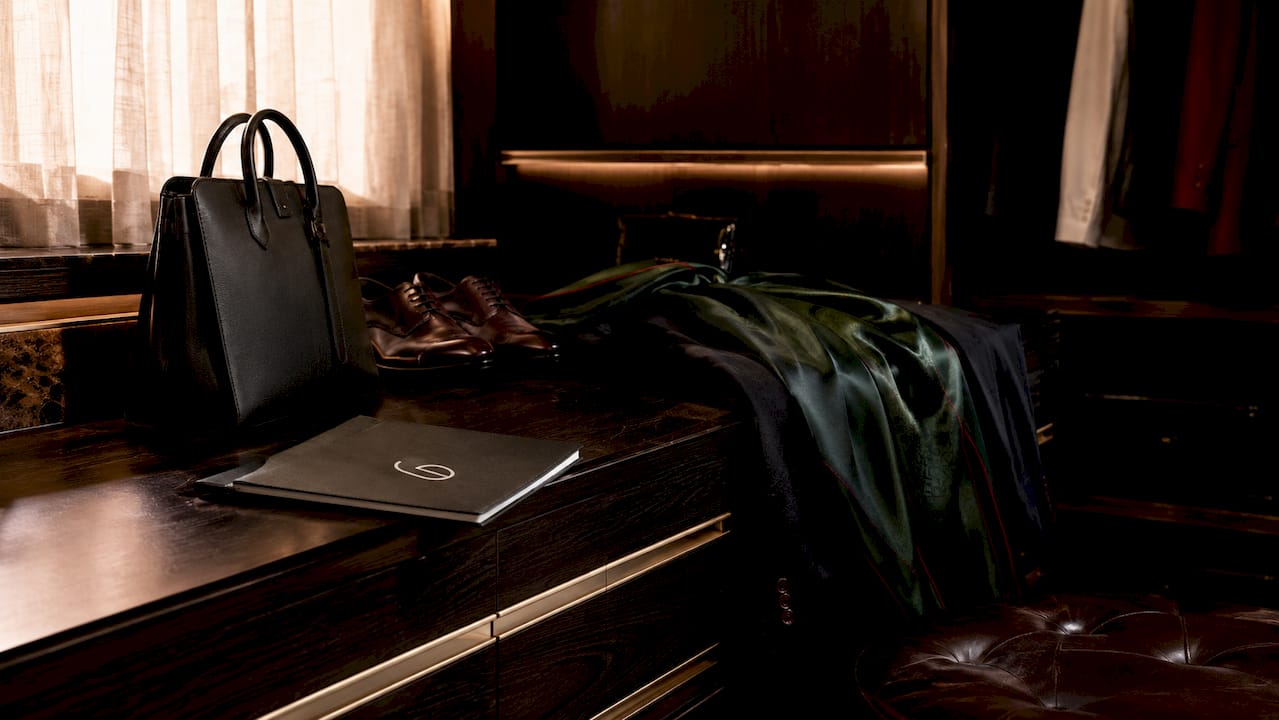
Timeless silhouettes are the architecture of a wardrobe that survives seasons. A well-cut trouser from a skilled atelier does not become dated. A blazer in fine wool does not follow a trend. The garments that endure are those designed with proportion and movement in mind, not with the calendar.
| Wardrobe category | Purpose | Key quality indicator |
|---|---|---|
| Tailored blazer | Anchors formal and casual looks | Hand-stitched lapels, natural canvas construction |
| Fine wool trousers | Versatile base for multiple outfits | Clean break, full lining, precise waistband |
| Bespoke shirt | Foundation of any tailored outfit | Mother-of-pearl buttons, single-needle stitching |
| Premium outerwear | Completes the wardrobe across seasons | Full lining, weighted hem, natural fibre shell |
| Artisan knitwear | Bridges casual and refined dressing | Gauge consistency, natural fibre, hand-finished edges |
Balance is the discipline that separates a curated wardrobe from a collection of expensive clothes. Wearability must coexist with exclusivity. A garment worn only once a year, however beautiful, does not serve you. The pieces that define a quality over quantity wardrobe are those worn with frequency and felt with pride.
What is the step-by-step process to commission bespoke luxury garments?
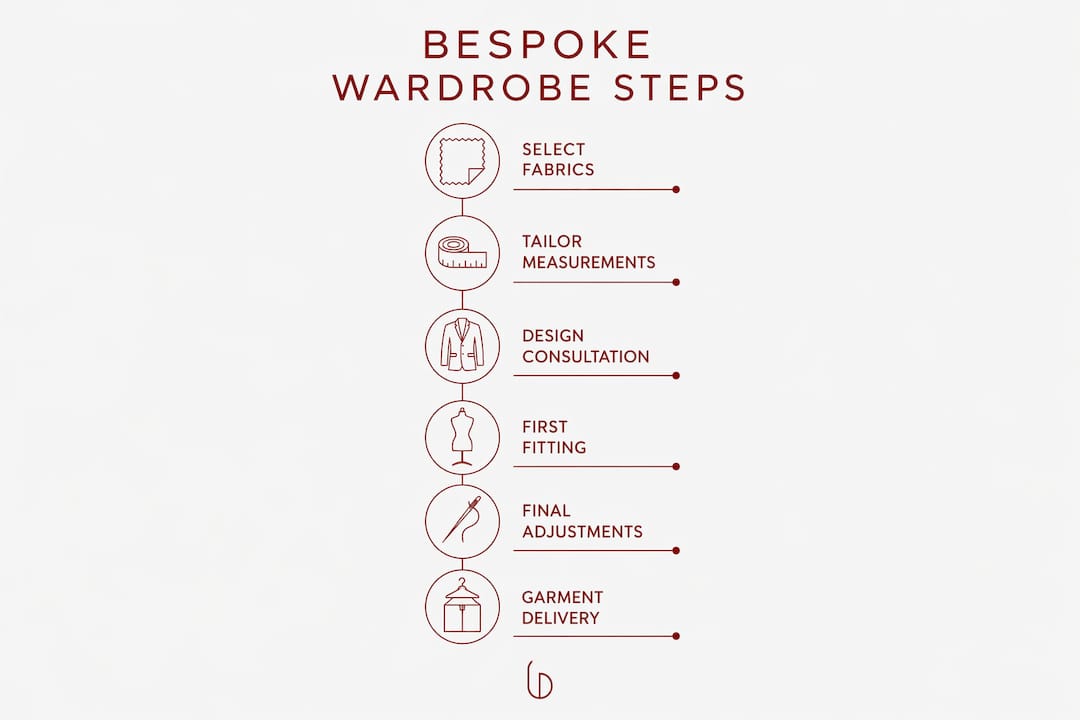
Commissioning a bespoke garment is a relationship, not a transaction. The process begins with a consultation in which you and your tailor or maison discuss your lifestyle, your daily demands, and the occasions you dress for. This conversation shapes every decision that follows.
-
Lifestyle assessment: Define where and how you live. A garment built for a city professional differs from one built for a man who travels frequently or works with his hands. Clarity here prevents costly mistakes.
-
Fabric and design selection: Choose materials based on climate, occasion, and personal preference. A tailor of conviction will guide you toward fabrics that serve your life rather than simply impress in the showroom.
-
Pattern cutting and first fitting: The tailor creates a pattern unique to your measurements and posture. The first fitting reveals the garment's structure and allows for early corrections before the final fabric is cut.
-
Iterative fittings: Multiple fittings refine the shape so the garment moves naturally with your body. This is the stage that mass production cannot replicate. Each adjustment brings the piece closer to something that feels like a second skin.
-
Final delivery and relationship building: Receive the finished garment and establish an ongoing relationship with your maker. Modern bespoke tailoring increasingly includes lifetime alteration support and wardrobe gap analyses, ensuring your collection evolves with you.
Bespoke tailoring commissions for high-end luxury garments begin at £6,000, varying with fabric choice and design complexity. That figure reflects not the cost of cloth but the cost of time, skill, and permanence. Understood correctly, it is not an expense. It is an investment in a garment that will outlast trends by decades.
Pro Tip: Ask your tailor to document your measurements and pattern. A well-kept record means future commissions begin with precision rather than approximation, saving time and preserving consistency across your wardrobe.
How to maintain and evolve your handcrafted luxury wardrobe sustainably
A well-maintained bespoke garment can last 10–20 years with proper care. That longevity is not incidental. It is the direct result of the materials used, the construction methods applied, and the discipline of the person who owns the piece. Maintenance is not a chore. It is the continuation of the maker's craft.
Proper storage is the first act of stewardship. Natural fibres breathe and need space. Cedar hangers protect wool from moth damage. Leather goods stored in dust bags retain their surface and structure. Care rituals such as these preserve both the appearance and the value of each piece across years of wear.
- Cedar hangers and garment bags: Protect natural fibres from compression and pest damage during storage
- Rotation: Wearing garments in rotation allows fibres to recover between uses, extending their life significantly
- Professional cleaning: Dry-clean wool and cashmere sparingly. Over-cleaning degrades fibres faster than wear
- Repair before replacement: A skilled tailor can re-line a jacket, replace a collar, or reinforce a seam. Repair is the most sustainable choice available
- Periodic editing: Audit your wardrobe each season. Remove pieces that no longer serve you and resist the impulse to fill the space immediately
"Luxury wardrobes are best built gradually over years with a personal philosophy guiding careful acquisitions rather than rapid purchasing. The discipline of slow acquisition is itself a form of respect for the craft."
The philosophy of responsible luxury fashion demands that we add to our wardrobes with the same care we apply to commissioning. One artisan piece per season, chosen with full conviction, builds a collection of depth and coherence. Quantity is the enemy of meaning. Every addition should earn its place.
Key takeaways
Building a handcrafted luxury wardrobe requires conviction, patience, and a commitment to craftsmanship over convenience, with each piece selected to serve your life for decades rather than seasons.
| Point | Details |
|---|---|
| Quality over quantity | A capsule of 20–30 bespoke pieces outperforms a large wardrobe of mediocre garments in both versatility and longevity. |
| Internal construction reveals quality | Hand-sewn seams, natural fibres, and invisible finishing techniques are the true markers of artisanal excellence. |
| Bespoke is iterative | Multiple fittings refine a garment to move naturally with your body, a result mass production cannot achieve. |
| Maintenance extends life | Proper storage, rotation, and timely repair allow bespoke garments to last 10–20 years. |
| Slow acquisition builds depth | Adding one considered piece per season creates a wardrobe of coherence and personal meaning. |
The discipline behind a wardrobe worth keeping
We have built Jeeyodee on a single conviction: that a garment should outlast the moment it was made for. What we have observed, across years of working with exceptional materials and Italian craftspeople, is that the wardrobes people treasure most are never the largest ones. They are the most considered.
There is a particular kind of attachment that forms between a person and a garment that was made specifically for them, or made in such limited number that ownership feels like stewardship. We see it in the way someone reaches for the same piece again and again, not out of habit, but out of genuine affinity. That is what authentic exclusive fashion produces. Not admiration from others, but a quiet confidence in yourself.
The uncomfortable truth about building a luxury wardrobe is that patience is the rarest material of all. Most people understand the value of a well-made garment in theory. Far fewer are willing to wait for the right one rather than settle for the available one. The wardrobe that reflects who you truly are cannot be assembled in an afternoon. It is built across years of deliberate choice, each piece a record of where you were and what you valued when you chose it.
Luxury, understood properly, is not a price point. It is a philosophy. It is the decision to own less and own better, to repair rather than replace, to commission rather than consume. That philosophy, practised with discipline, produces a wardrobe that does not merely dress you. It represents you.
— Jeeyodee
Jeeyodee: numbered luxury, made once
Every garment from Jeeyodee is handcrafted in Italy and individually numbered. No piece is ever reproduced. That is not a marketing position. It is the foundation of everything we make.
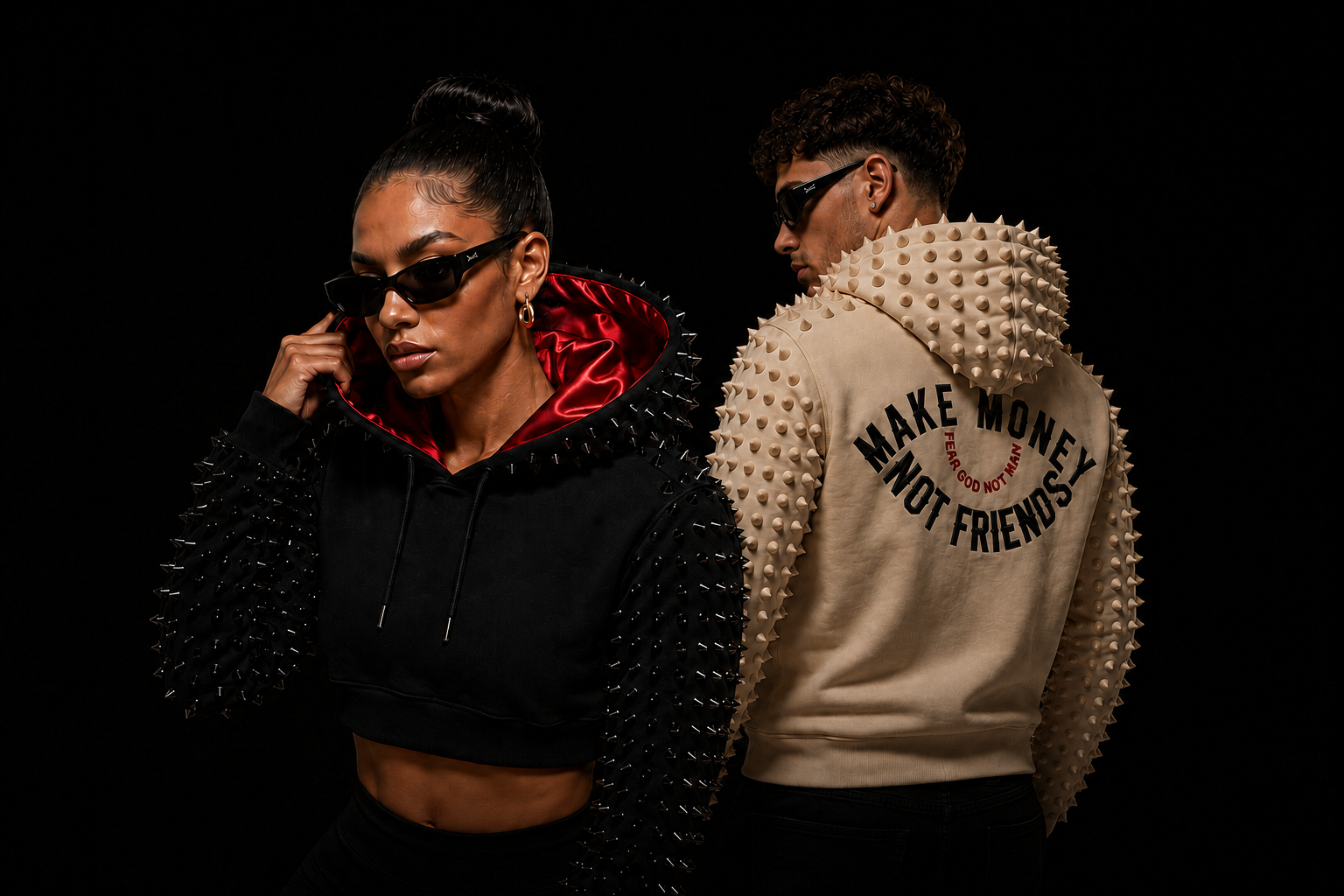
The Thorns collection exemplifies this conviction. Each variant is hand-finished with meticulous Italian cone studs and lined with Egyptian silk, a material whose heritage and craft carry centuries of artisanal knowledge. The heavyweight cotton exterior and the deep red silk interior are not chosen for effect. They are chosen for permanence. When a Jeeyodee drop closes, it closes for good. Explore the current collection and find your numbered piece at Jeeyodee, where each garment waits to become a permanent chapter in your wardrobe.
FAQ
What does building a handcrafted luxury wardrobe actually mean?
Building a handcrafted luxury wardrobe means curating a small, deliberate collection of bespoke or artisan-made garments chosen for longevity, versatility, and personal conviction rather than trend. The process prioritises craftsmanship and material quality over volume.
How many pieces should a luxury capsule wardrobe contain?
A functional artisan-focused capsule wardrobe typically contains 20–30 pieces, each selected to create at least three distinct outfits when paired with other items in the collection.
How long does a bespoke garment last with proper care?
A well-maintained bespoke garment lasts 10–20 years, making it both a sustainable and financially considered choice compared to repeated purchases of lower-quality clothing.
What is the cost of commissioning a bespoke luxury garment?
Bespoke tailoring commissions begin at £6,000 for high-end luxury garments, with the final figure varying according to fabric selection and the complexity of the design.
How do I know if a garment is genuinely handcrafted?
Examine the interior construction. Hand-sewn seams, natural fibres, and precise internal finishing are the clearest indicators of genuine artisanal craftsmanship, more reliable than any label or price point.