
TL;DR:
- A satin hood lining made from pure silk or high-grade silk blends signals quality and expert craftsmanship. Collectors value provenance, Italian manufacturing, and numbered editions, as these ensure durability and exclusivity. Proper assessment involves checking construction details, silk origin, and careful care to preserve the lining's performance.
A satin hood lining is the low-friction interior of a hooded garment, ideally constructed from pure silk or a high-grade silk-satin blend, whose purpose extends well beyond warmth. For collectors, it is a mark of considered construction: a signal that the atelier understood both the material and the wearer. The recommendation is unambiguous — commission or purchase a fully integrated silk or silk-blend lining with documented material provenance, made-in-Italy production, and a numbered edition.
When assessing a piece at a glance, four signals matter most:
- Material origin — Egyptian silk, stated explicitly on provenance documentation
- Made in Italy — production notes or atelier certification, not marketing copy
- Numbered edition — individual piece number confirming single-run production
- Visible seam finishing — no raw edges, no exposed allowances at the neckline or hood opening
Table of Contents
- What does 'satin' actually mean in a hood lining?
- Why discerning collectors prize a silk-lined hood
- How to judge quality at sight and touch
- How construction shapes the drape of a lined hood
- Care protocol for silk and silk-blend satin linings
- How to buy or commission a silk-lined hooded garment in the UK
- The verdict: what to prioritise and what to do next
- Key takeaways
- A note from the maison on lining, craft, and permanence
- Maison Jeeyodee: Egyptian silk, Italian craft, numbered for permanence
- Useful sources and further reading
- FAQ
What does 'satin' actually mean in a hood lining?
The word 'satin' describes a weave structure, not a fibre. In a satin weave, warp threads float over multiple weft threads, producing a smooth, lustrous surface with minimal interlacing — which is precisely what reduces friction against hair and skin. Charmeuse is the most common satin-weave variant used in luxury linings; it is lightweight, fluid, and produces the characteristic cool-to-the-touch hand that collectors recognise immediately.
The confusion arises because retail labelling uses 'satin' loosely. Three distinct categories exist:
- Pure silk satin (habotai or charmeuse): the highest grade, with natural moisture management, low static, and a warm-cool hand that polyester cannot replicate
- Silk-satin blends: high silk content retains most performance benefits while improving durability; the preferred choice for garments that will be worn regularly
- Polyester satin: more durable and less expensive, but prone to static, poor moisture regulation, and a synthetic sheen that reads differently under light
When reading a label, trust explicit fibre percentages and the words 'silk' or 'silk-satin blend'. Treat 'satin finish', 'satin touch', or vague descriptors as red flags — they indicate a finish applied to a base fabric, not a woven silk interior.
Why discerning collectors prize a silk-lined hood
The functional case is well established. Silk's smooth surface reduces mechanical friction against hair fibres, limiting breakage and preserving curl pattern and silhouette. Unlike cotton or polyester, silk does not strip moisture or generate static — qualities that matter whether you wear your hair natural, styled, or colour-treated.
The collector's case goes further. Satin-lined luxury hoodies have moved decisively from niche hair-care items into the vocabulary of quiet luxury, where function and restraint are the markers of taste. A silk interior that no one else sees is precisely the kind of detail that defines this sensibility.
Collectibility rests on three pillars: provenance (Egyptian silk, with its longer staple length and exceptional lustre), made-in-Italy construction that reflects atelier-level skill, and numbered limited editions that confirm the piece will never be reproduced. These are not marketing claims — they are verifiable facts that sustain value across time. Jeeyodee's Egyptian silk heritage page documents the sourcing philosophy behind each lining.
How to judge quality at sight and touch
Collectors who know what to look for can assess a lining's quality from photographs alone — and confirm it in person within seconds.
Inspection checklist:
- Lining coverage: full interior (body, sleeves, and hood) offers the highest friction reduction; hood-only linings are a cost reduction, not a design choice
- Edge finishing at the neckline and hood opening: no raw edges, no puckering, no visible seam allowances
- Seam alignment: lining seams should mirror shell seams precisely, with no drift at the neckline junction
- Stitch density: tight, even stitching throughout; flatlock or double-stitch at stress points
By touch and sight:
- Silk satin drapes with gravity and returns to position; polyester holds a slight rigidity
- The cool-to-warm hand of silk is distinctive — it feels cool on first contact, then adjusts to body temperature
- Static: lift the lining away from the shell; silk releases cleanly, polyester clings
Trust signals to request from the maker:
- Material provenance certificate naming the silk origin
- Production notes confirming made-in-Italy construction
- Numbered edition documentation and artisan sign-off
Pro Tip: Request interior photographs taken under natural light, not studio lighting. Studio setups flatten the sheen difference between silk and polyester; natural light reveals it.
The finishing details of a garment are its biography. Read them carefully before you commit.
How construction shapes the drape of a lined hood
The engineering of a satin-lined hood is where most garments fail. A lining that moves with the wearer — without collapsing the hood's volume or pulling at the neckline — requires deliberate weight management and precise seam work.

The foundational rule: the lining should be equal to or lighter in weight than the shell fabric. When heavyweight cotton meets delicate silk, the atelier must reinforce join seams to prevent warping or pull on the lining. Skipping this step produces a hood that collapses inward or drags at the neckline — the most common fault in mid-tier production.
Common construction faults to identify:
- Lining that puckers at the face opening, indicating insufficient ease or mismatched grain
- Exposed seam allowances at the neckline, a sign of lower-grade construction likely to shift over time
- Hood volume that collapses when worn, caused by a lining heavier than the shell
Professional construction uses hidden bindings, jersey binding to conceal neckline seams, and integrated facings to keep the interior clean. There are two principal methods for lining a hood: sewing two hood shells together, or drafting a separate lining piece with a facing. The latter produces a cleaner result and is the mark of considered atelier work. Understanding what makes a hoodie truly comfortable at a construction level helps collectors ask the right questions.
Care protocol for silk and silk-blend satin linings
Silk rewards discipline. The care routine below preserves both the lining's performance and the garment's finish across years of wear.
Step-by-step wash protocol:
- Spot test any cleaning agent on an interior seam before full application
- Turn the garment inside out to protect the shell and reduce abrasion on the lining
- Hand wash in cold water with a mild silk detergent, or machine wash on a delicate cycle inside a mesh bag
- Never wring; press gently between clean towels to remove excess water
- Air-dry flat or on a padded hanger, away from direct heat or sunlight
- Steam lightly if required — never iron directly onto the silk surface
Storage and minor repairs:
- Store in a breathable cotton or linen garment bag; avoid plastic, which traps moisture
- Use cedar or lavender as moth deterrents; avoid chemical mothballs near silk
- Minor seam separation at the neckline can be restitched by hand with a fine needle and matching thread, without altering drape
- For significant repairs or lining replacement, consult the original atelier or a textile conservator
Silk linings require gentler care than cotton: machine-wash on a gentle cycle or dry-clean; air-drying is recommended because high heat damages silk fibres and the lining's friction-reducing properties.
Pro Tip: If the care label specifies dry-clean only, honour it — particularly for pieces with hand-finished seams or Italian cone studs, where heat and agitation can compromise the finishing work.
How to buy or commission a silk-lined hooded garment in the UK
Questions to ask every seller or atelier:
- What is the exact fibre composition of the lining, with percentages?
- Can you confirm the silk origin — specifically, is it Egyptian silk?
- What stitch method is used at the neckline and hood opening?
- Can you provide interior photographs and finishing proofs before purchase?
- Is the piece individually numbered, and will I receive edition documentation?
Price and timeline guidance for UK buyers:
- Mid-tier silk-lined hoodies (hood-only lining, unverified provenance) typically sit in the £80–£200 range and are available off the shelf
- Atelier-grade pieces with full interior silk lining and documented provenance command significantly higher prices, reflecting material cost and hand-finishing time
- Bespoke commissions from a made-in-Italy atelier typically require a 50% deposit, with final pricing agreed privately based on specification
- Realistic lead times for made-in-Italy bespoke pieces range from several weeks to a few months, depending on the atelier's production schedule
Practical buying tips:
- Request a small swatch of the lining fabric for tactile verification before committing to a bespoke commission
- Insist on photographed construction details, particularly the neckline junction and seam finishing
- Verify the return or repair policy for bespoke items before placing a deposit
- For collectors building a considered wardrobe, evaluating artisan craftsmanship before purchase is as important as the garment itself
The verdict: what to prioritise and what to do next
One-line prioritisation: provenance (Egyptian silk), made-in-Italy construction, full interior lining, and numbered edition documentation. These four criteria separate a collectible piece from a commodity.
Immediate next steps:
- Request interior photographs showing the neckline junction, seam finishing, and full lining coverage
- Ask for provenance documentation — material origin, production location, and edition number
- Contact the atelier for a swatch and confirmed lead time before placing a deposit
- If commissioning, confirm the stitch method, weight ratio, and hand-finishing standard in writing
Key takeaways
A silk satin hood lining, sourced from Egyptian silk and constructed in Italy with full interior coverage and hand-finished seams, is the definitive standard for collectors who value both performance and permanence.
| Point | Details |
|---|---|
| Satin means a weave, not a fibre | Trust explicit fibre percentages; 'satin finish' or 'satin touch' labels do not confirm silk content. |
| Full interior lining is the standard | Hood-only linings reduce cost, not friction; full interior coverage is the mark of atelier-grade construction. |
| Weight ratio governs drape | The lining must be equal to or lighter than the shell; reinforced join seams prevent warping where heavy cotton meets silk. |
| Care requires cold water and air-drying | High heat damages silk fibres; gentle cycle or hand wash, then air-dry flat or on a padded hanger. |
| Jeeyodee sets the provenance standard | Each piece uses Egyptian silk, is handcrafted in Italy, and carries an individual edition number — verifiable at commission. |
A note from the maison on lining, craft, and permanence
We do not line a hood as an afterthought. The decision to use Egyptian silk — with its longer staple, finer lustre, and documented provenance — is a conviction, not a specification. Every Jeeyodee piece is produced once, numbered, and never repeated. That permanence begins on the inside, where the silk meets the wearer before anything else does.
What we have observed, across every commission and every limited drop, is that collectors who understand lining construction ask better questions — and make decisions they do not regret. The interior of a garment is its most honest surface. It is where discipline either shows or doesn't.
The numbered edition is not a marketing device. It is a record: this piece exists, it was made with these materials, by these hands, in this place. Ownership, in that context, becomes something closer to stewardship. Quiet luxury is not about what others see. It is about what you know.
Maison Jeeyodee: Egyptian silk, Italian craft, numbered for permanence
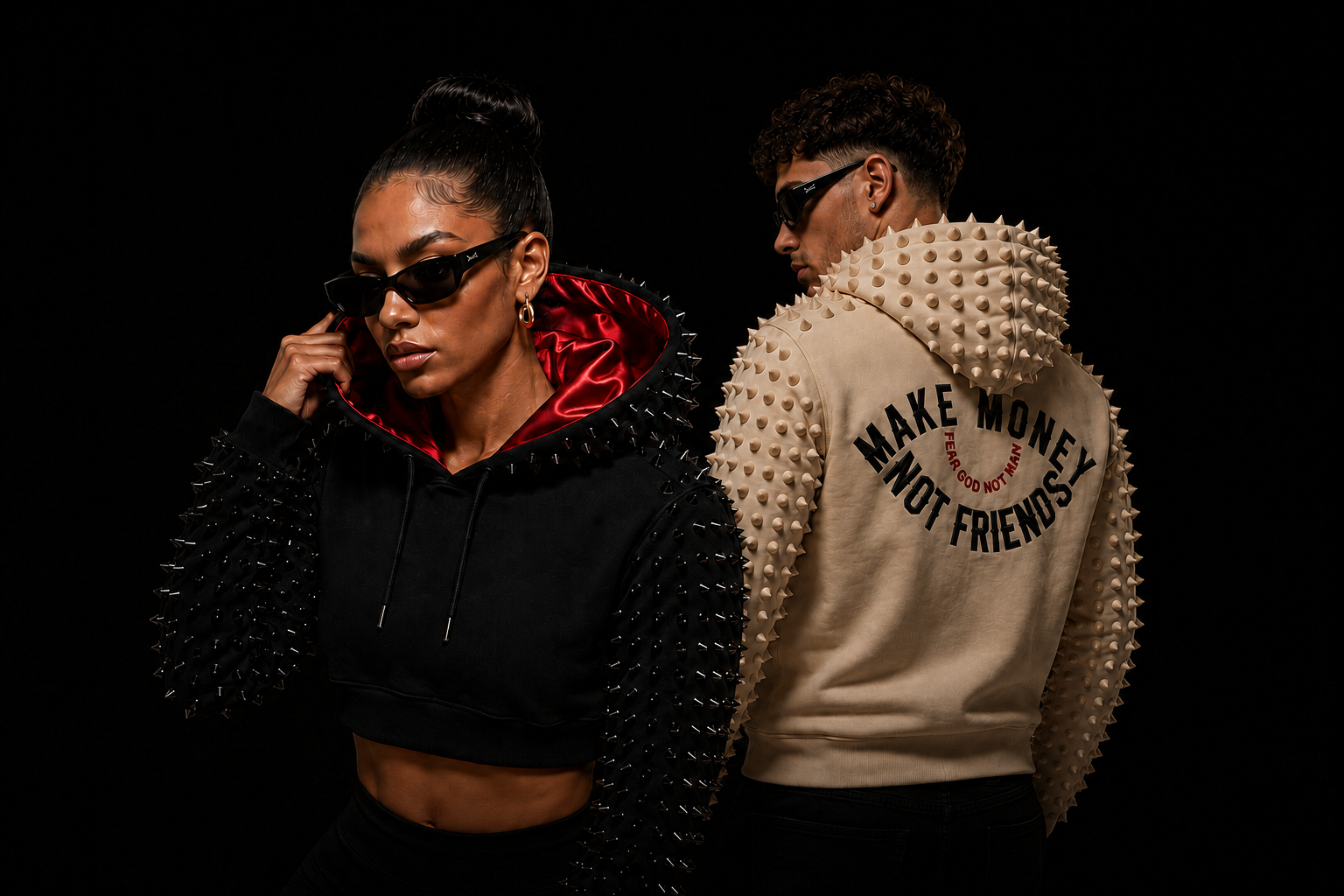
Jeeyodee sources Egyptian silk for every hood lining — not because it is the most convenient choice, but because it is the correct one. Each piece is handcrafted in Italy, where the atelier aligns lining grain, reinforces join seams, and hand-finishes every neckline junction before the piece is numbered and released. No two editions share a number. No piece is ever reproduced.
For collectors ready to commission, the process begins with a private conversation: specification, swatch approval, and a 50% deposit to confirm the commission. Lead times reflect the pace of considered work. The result is a garment that carries its provenance in every seam.
To request a swatch, enquire about a bespoke commission, or view current limited editions, visit Jeeyodee directly.
Useful sources and further reading
- JEEYODEE — Numbered Luxury, Made Slowly — brand landing page; primary destination for commissions, limited editions, and provenance enquiries
- Egyptian silk: heritage, craft, and luxury redefined — Jeeyodee's sourcing philosophy and silk provenance documentation
- Luxury garment finishing details: the complete 2026 guide — in-depth reference for hand finishes, bindings, and construction standards
- Evaluating artisan fashion craftsmanship: a 2026 guide — checklist for assessing artisan work and provenance before purchase
- Frederic hoodie tips and tricks (lining a hood) — Jalie — technical reference for hidden bindings and neckline seam finishing
- Unconventional linings for garments — Mood Fabrics — authoritative guidance on weight ratios and lining fabric selection
- Satin hoodie guide: what actually matters — industry analysis on fibre distinctions, lining coverage, and market context
FAQ
What is the difference between silk satin and polyester satin in a hood lining?
Silk satin uses a natural fibre with inherent moisture management and low static, producing a cool-to-warm hand that polyester cannot replicate. Polyester satin is more durable and less expensive but generates static and lacks silk's friction-reducing performance.
How do I verify that a hood lining is genuine silk and not synthetic?
Request explicit fibre percentages from the seller and, where possible, a provenance certificate naming the silk origin. Under natural light, silk satin has a subtler, warmer sheen than polyester; it also drapes with gravity rather than holding a slight rigidity.
What should I expect to pay for a bespoke silk-lined hooded garment in the UK?
Mid-tier pieces with hood-only linings typically sit in the £80–£200 range. Atelier-grade bespoke commissions with full interior Egyptian silk lining and made-in-Italy construction command significantly higher prices; Jeeyodee commissions require a 50% deposit, with final pricing agreed privately.
How should I wash a garment with a silk satin hood lining?
Hand wash in cold water with a mild silk detergent, or machine wash on a delicate cycle inside a mesh bag. Air-dry flat or on a padded hanger; never tumble-dry or apply direct heat, as high temperatures damage silk fibres.
Why does full interior lining matter more than a hood-only lining?
Full interior coverage — body, sleeves, and hood — delivers consistent friction reduction across the entire garment. Hood-only linings lower production cost but limit the functional and aesthetic benefit; for collectors, the full interior is the standard that distinguishes atelier construction from mass production.