TL;DR:
- Slow fashion is a quality-driven, provenance-based investment model emphasizing durable garments with documented supply chains. For luxury buyers, principles like equity, authenticity, and exclusivity translate into tangible signals such as artisan attribution, limited runs, and detailed provenance documentation. Future regulations, like the EU's Digital Product Passport, will formalize supply chain transparency, making these details crucial for serious collectors.
Slow fashion, properly understood, is a quality-first, provenance-led investment model: you acquire fewer garments, chosen for permanence, and you hold them. For a collector of limited-edition luxury pieces, this is not an ethical posture but a purchasing discipline grounded in five foundational dimensions identified by academic research: equity, authenticity, functionality, localism and exclusivity. Understanding slow fashion principles at this level means reading a garment's supply-chain biography before you read its price tag. With the EU's Digital Product Passport arriving as a regulatory inflection point, that biography is becoming a legal expectation, not a marketing courtesy. Maison Jeeyodee, with its individually numbered, Made in Italy pieces, is one of the clearest working examples of these principles applied without compromise.
Table of Contents
- What do the five slow fashion principles mean for luxury buyers?
- Why slow fashion matters: durability, value and the cost-per-wear calculus
- How do you evaluate a luxury investment garment at a glance?
- Care, repair and preserving the value of what you own
- What does the 2026 transparency inflection mean for UK buyers?
- Maison Jeeyodee: slow fashion principles in practice
- How do you build a capsule wardrobe around slow-luxury pieces?
- Key takeaways
- A maison's perspective on craft, permanence and responsibility
- Jeeyodee's current numbered collection
- FAQ
What do the five slow fashion principles mean for luxury buyers?
Kate Fletcher's original framing positioned slow fashion as quality-based rather than time-based: a system of relationships between maker, wearer and garment. For collectors, each of the five dimensions translates into a concrete purchase signal.
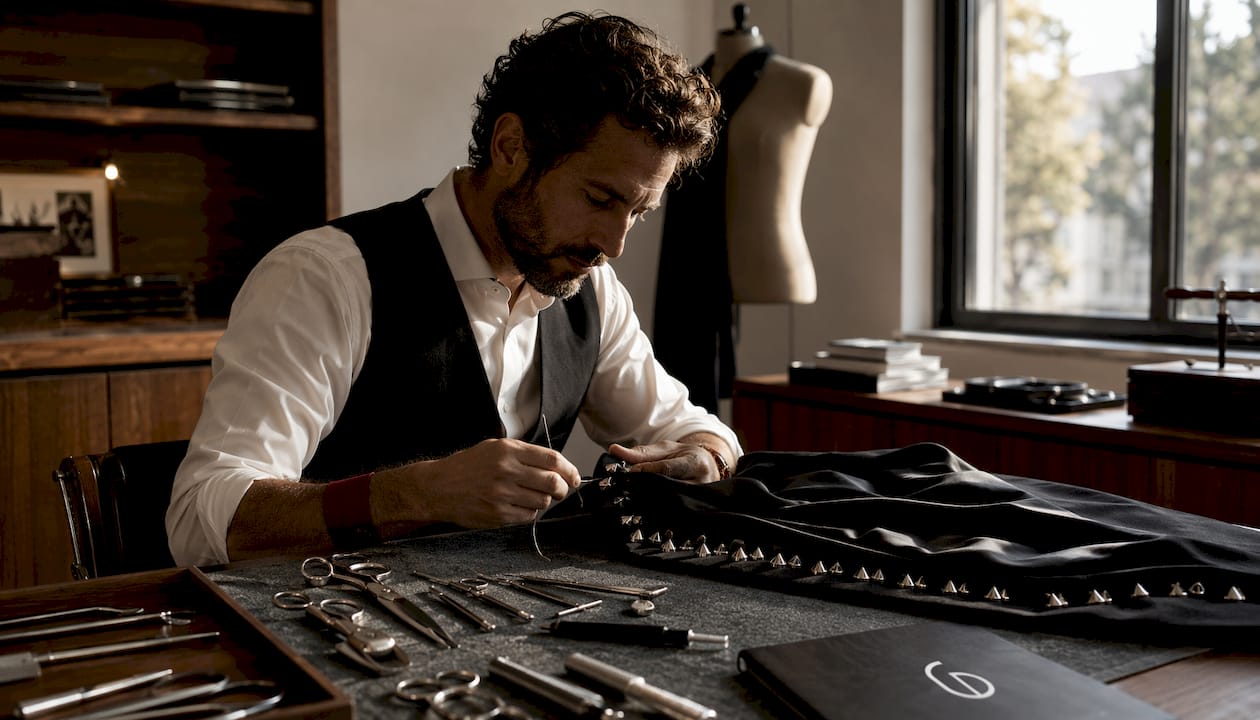
| Dimension | What it means for a luxury buyer |
|---|---|
| Equity | Artisans are named, paid fairly, and their labour is traceable to a specific atelier |
| Authenticity | Materials and origin are documented; no vague 'eco' language without supply-chain evidence |
| Functionality | The piece is designed for decade-long wear, not a single season's silhouette |
| Localism | Production is concentrated in a named region or workshop, reducing intermediation |
| Exclusivity | Strictly limited runs, often numbered, that preserve secondary-market value |
Authenticity signals to look for on product pages and labels include: named country of manufacture, identified fabric mills or artisan workshops, individual piece numbering or lot codes, and a stated repair or aftercare pathway. Made-to-order or pre-order production removes overproduction entirely, making each numbered piece inherently collectible.
Pro Tip: When a brand uses the word 'sustainable' without naming a specific material origin, certification body, or artisan attribution, treat it as a red flag. Earnest claims are always specific; marketing language is always general.
Why slow fashion matters: durability, value and the cost-per-wear calculus
The economic argument for slow luxury is straightforward. Investing in one well-constructed piece reduces cost per wear and can retain or grow cultural value over time. Ultra-fast fashion garments frequently show significant wear or loss of shape after only a few wears, driving rapid replacement cycles that compound both financial and environmental cost.
Lifecycle perspective: Slow-fashion purchases designed to last a decade can reduce per-use carbon footprint by up to 90% compared with a fast-fashion equivalent.
The cost-per-wear concept is the collector's most useful financial tool: divide the purchase price by the estimated number of wears over the garment's useful life. A higher-priced piece worn many times lowers the cost per wear compared to multiple disposable alternatives replaced frequently, which also leave little cultural value. Repairability changes this calculation further: a garment with a documented repair pathway has an extended useful life that a disposable piece structurally cannot match. Repair, tailoring and careful maintenance meaningfully extend garment life and reduce the velocity at which a collector must acquire new pieces.
How do you evaluate a luxury investment garment at a glance?
The single deciding question is this: will you wear and value this piece for a decade or more? If the honest answer is uncertain, the piece does not belong in a slow-luxury wardrobe.
Practical inspection checkpoints, whether in-store or from a product page:
- Material provenance: named fabric origin, not generic descriptors
- Stitch construction: even tension, no skipped stitches, reinforced stress points
- Seam allowance: generous allowance signals the maker anticipated alterations
- Internal finishing: clean linings, named materials (Egyptian silk, not 'satin-style lining')
- Numbering and documentation: individual piece number, certificate of authenticity, production lot
- Artisan attribution: named workshop or region, not a country alone
- Repair pathway: stated aftercare service or recommended specialist
Questions to ask a maison or boutique: Who made this piece, and where specifically? What is the repair or relining service? Is a Digital Product Passport or provenance document available? How many units were produced in this run?
Clear red flags include vague 'eco' or 'conscious' language without specifics, capsule collections launched for press coverage with no production detail, and the absence of any repair or aftercare information. For a deeper checklist of authentic exclusivity indicators, the signals are consistent across maisons that take provenance seriously.
Pro Tip: Request the Digital Product Passport or its equivalent before completing a significant purchase. A maison confident in its provenance will provide this without hesitation; one that deflects is telling you something important.
Care, repair and preserving the value of what you own
A slow-luxury purchase is not complete at the point of acquisition. The most sustainable garment is the one you keep, and keeping it well requires discipline.
Daily and seasonal care routines for luxury fabrics:
- Air garments after each wear before storing; never fold heavyweight cotton whilst warm.
- Store silk-lined pieces on padded hangers, away from direct light, in breathable cotton covers.
- Spot-clean Egyptian silk linings with a damp cloth; avoid immersion washing.
- Brush heavyweight cotton with a soft-bristle garment brush to lift surface debris without abrasion.
- Inspect seams and stress points each season; address minor fraying before it becomes structural.
Professional services collectors should budget for annually: relining when the interior shows wear, restitching at stress points, reblocking structured shoulders, and archival storage for pieces not in active rotation. A documented repair history, kept alongside the original certificate and piece number, is a material asset at resale. Collectors who maintain this record consistently command stronger secondary-market prices. For guidance on sustainable coat renovation and professional restoration methods, specialist restorers offer step-by-step processes worth understanding before commissioning work.
Pro Tip: Build a relationship with one trusted tailor or maison aftercare service rather than using different specialists each time. Continuity of care produces a consistent repair history, which is precisely what a future buyer or auction house will want to see.
What does the 2026 transparency inflection mean for UK buyers?
2026 is a genuine inflection point. The EU's ecodesign and Digital Product Passport framework is converting provenance and repairability from marketing claims into expected, and increasingly mandated, data points. UK buyers purchasing from European maisons will encounter these requirements whether domestic legislation mirrors them or not.
The Digital Product Passport will carry: material origin and composition, artisan or workshop identity, serial or lot number, repair history and spare-parts availability, and end-of-life guidance. For collectors, these fields are the supply-chain biography that distinguishes genuine slow-luxury from a well-photographed approximation.
Regulatory timeline: Ecodesign measures are being phased across product categories from 2025 onwards, with textiles among the priority sectors. Buyers acquiring significant pieces now should request equivalent provenance documentation as a condition of purchase, ahead of full rollout.
When evaluating a product page or label in the UK context, check for: QR-linked provenance data, named material certifications, individual piece serialisation, and a stated repair or return-to-maison service. A maison that cannot provide these fields in 2026 is operating behind the standard serious collectors should expect.
Maison Jeeyodee: slow fashion principles in practice
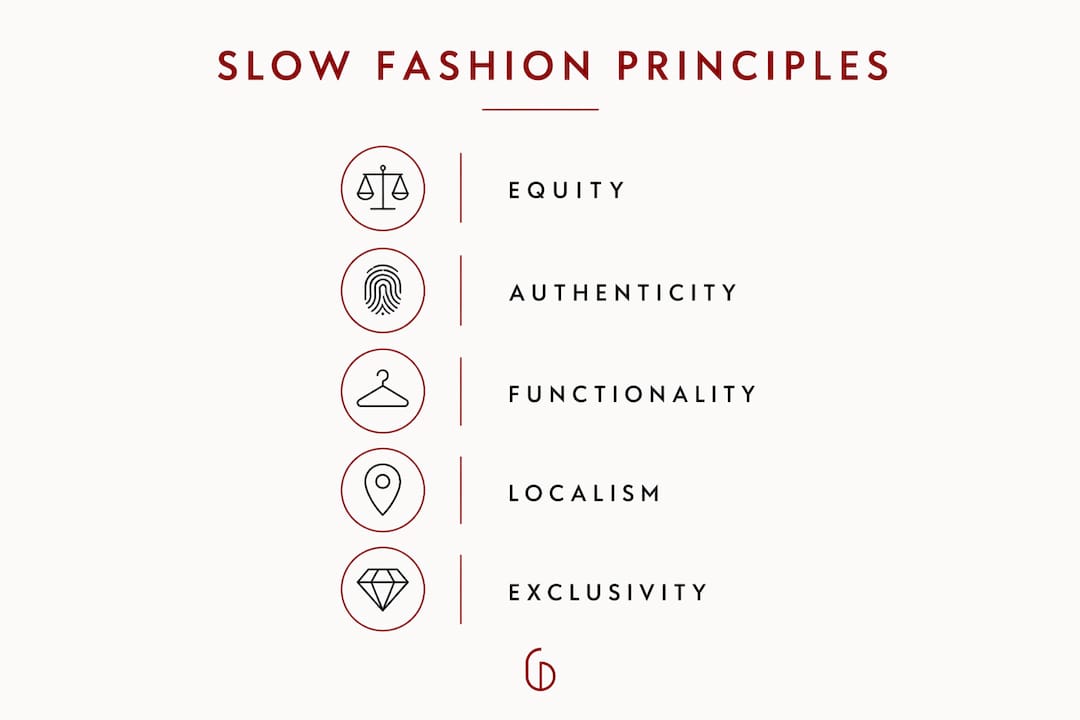
Jeeyodee operationalises slow-luxury without compromise. Every piece is produced in Italy in strictly limited, numbered runs, never reproduced, and constructed from materials chosen for permanence rather than seasonal appeal.
The specific features that signal craftsmanship at the maison level:
- Heavyweight cotton shell, chosen for structural integrity across years of wear
- Deep red Egyptian silk interior linings, named and traceable to origin
- Meticulously aligned Italian cone studs, hand-finished to the maison's exacting standard
- Individual piece numbering on every garment, creating a serialised provenance record
- Small-batch production that eliminates overproduction and preserves secondary-market scarcity
Small-batch production is not a constraint at Jeeyodee; it is the philosophy. Each drop is produced once. When it is gone, it is gone. That permanence is what transforms a garment into a chapter in a collector's history rather than a seasonal acquisition. The maison's aftercare approach and provenance documentation align directly with what the Digital Product Passport framework will formalise, meaning Jeeyodee buyers are already positioned ahead of the regulatory curve.
How do you build a capsule wardrobe around slow-luxury pieces?
Prioritise versatility, narrative coherence with existing pieces, and deliberate scarcity. A capsule built on slow-luxury principles contains fewer items, each chosen to earn its place across multiple contexts and seasons.
Steps for integrating a new limited piece:
- Identify the silhouette gap: does this piece serve a function no existing garment covers?
- Assess fabric compatibility: heavyweight cotton and silk-lined pieces anchor a wardrobe rather than competing with it.
- Confirm seasonal range: a slow-luxury piece should perform across at least three seasons without alteration.
- Check narrative fit: numbered limited items carry a story; that story should complement, not contradict, the wardrobe's existing provenance.
For rotation and archival storage, wear numbered pieces with intention and archive them with care. Building a handcrafted luxury wardrobe requires the same discipline as curating any serious collection: acquisition is deliberate, storage is archival, and nothing enters without a clear purpose.
Pro Tip: Photograph each piece on acquisition alongside its certificate and piece number. This visual archive, updated after each professional service, becomes the garment's biography and its strongest argument at resale.
Key takeaways
Slow fashion, applied at the maison level, is a provenance-led investment discipline: the garments you choose should carry a documented biography, a repair pathway, and the structural integrity to last a decade or more.
| Point | Details |
|---|---|
| Demand provenance documentation | Ask for artisan attribution, piece numbering, and Digital Product Passport fields before purchase. |
| Budget for professional maintenance | Annual relining, restitching and archival storage protect both condition and resale value. |
| Identify greenwashing early | Vague 'eco' language without named materials or artisan attribution is a disqualifying signal. |
| Jeeyodee as the maison standard | Individually numbered, Made in Italy pieces with Egyptian silk linings and documented small-batch production meet every slow-luxury criterion. |
A maison's perspective on craft, permanence and responsibility
We do not make garments for seasons. We make them for decades, and we make them once. Every piece that leaves our atelier in Italy carries a number, a material biography, and the hands of the craftspeople who finished it. That is not a marketing position; it is a structural commitment. The Egyptian silk that lines each piece is named because it matters where it comes from. The Italian cone studs are aligned by hand because precision at that scale cannot be delegated to a machine. We believe the collector who understands these details is the collector who will hold the piece, care for it, and pass it forward. Our provenance documentation, our numbered runs, and our aftercare guidance exist because we expect to be accountable to that collector for the life of the garment, not merely at the point of sale.
Jeeyodee's current numbered collection
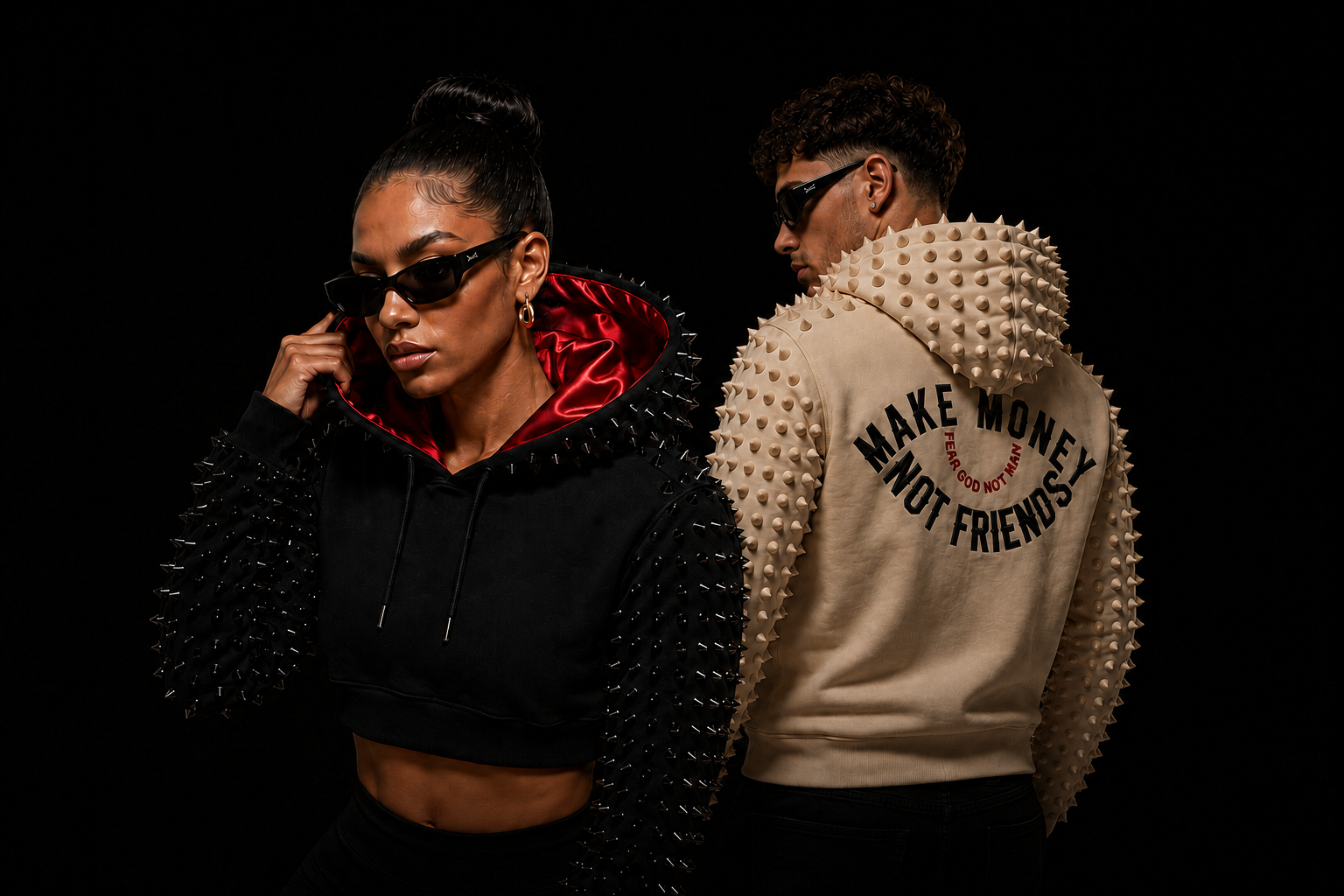
For collectors who have read this far, the next step is straightforward. Jeeyodee's current numbered drops, each produced once and never repeated, are available at jeeyodee.com. Every piece on the maison's pages carries the provenance documentation, material biography, and artisan detail this guide has described. If you are considering a slow-luxury acquisition that meets the standards outlined here, the maison's pages are the place to begin. Provenance records and aftercare guidance are available for every numbered piece currently in the collection.
FAQ
What are the five principles of slow fashion?
Academic research identifies five foundational dimensions: equity, authenticity, functionality, localism and exclusivity. For luxury buyers, each translates into a concrete provenance or construction signal to verify before purchase.
How does slow fashion differ from sustainable fashion?
Slow fashion is a subset of sustainable fashion with a specific focus on reducing consumption velocity and prioritising quality over quantity. Kate Fletcher's framing positions it as a quality-based system of relationships between maker, wearer and garment, rather than simply a slower production cadence.
What is the Digital Product Passport and when does it affect UK buyers?
The Digital Product Passport is an EU regulatory requirement that mandates transparency on material origin, artisan identity, repairability and repair history for products including textiles. Phased rollout is under way from 2025, with textiles among the priority categories; UK buyers purchasing from European maisons should request equivalent documentation now.
How do I spot greenwashing in a luxury brand's slow fashion claims?
Vague language ('eco', 'conscious', 'sustainable') without named material origins, artisan attribution, or production lot numbers is the clearest signal. Genuine slow-luxury claims are always specific: a named atelier, a documented fabric mill, an individual piece number.
Does Jeeyodee meet slow fashion standards for a serious collector?
Jeeyodee's individually numbered, Made in Italy pieces with Egyptian silk linings, heavyweight cotton construction, and strictly limited single-run production align directly with the five foundational dimensions. Each drop is produced once and never reproduced, satisfying the exclusivity and authenticity criteria a collector should require.